Retired Teacher Cuts Winter Bills $100 With Plug-In Solar
After years of bundling in sleeping bags to save on heating, an 84-year-old Berkeley teacher installed affordable plug-in solar panels for $400 and transformed her winters. California just passed a bill to make this technology accessible to everyone.
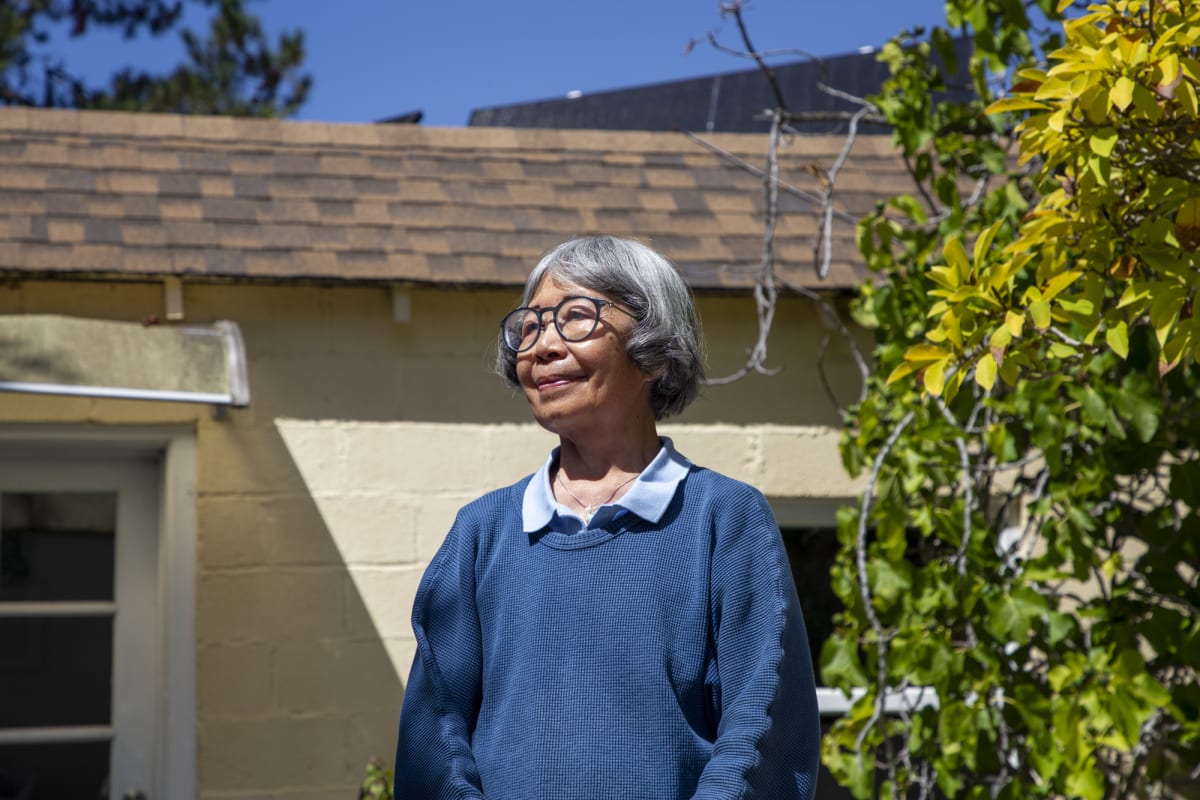
Agnes Chan spent winters in her Berkeley home wrapped in sleeping bags, keeping her thermostat at a bone-chilling 60 degrees to avoid utility bills that hit $300 a month. The retired teacher's century-old craftsman house was drafty, and living alone on a fixed income meant choosing between warmth and financial security.
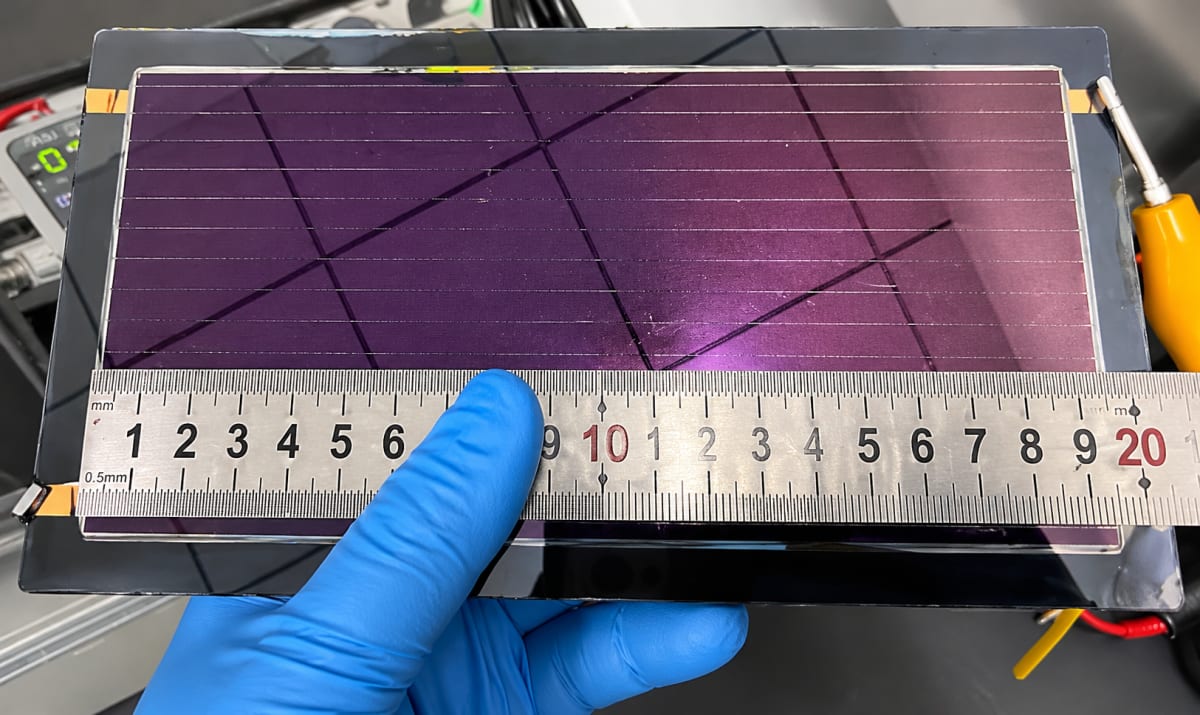
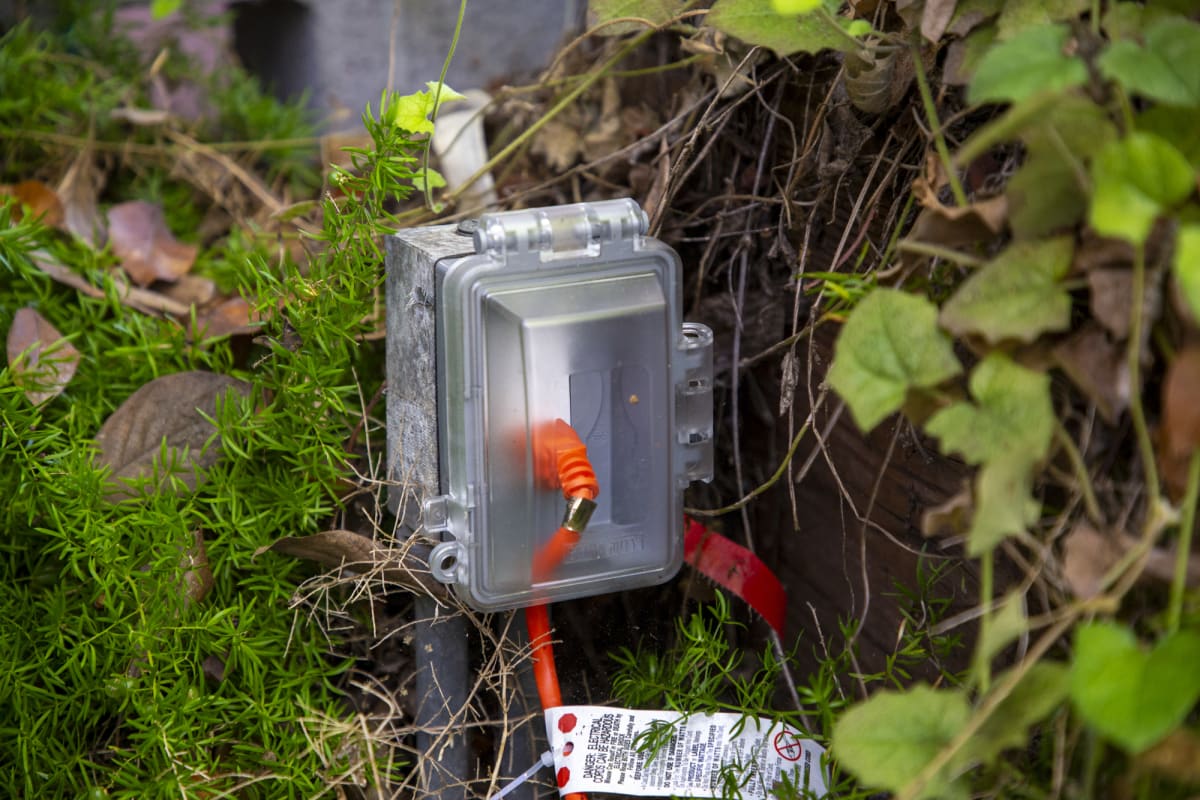
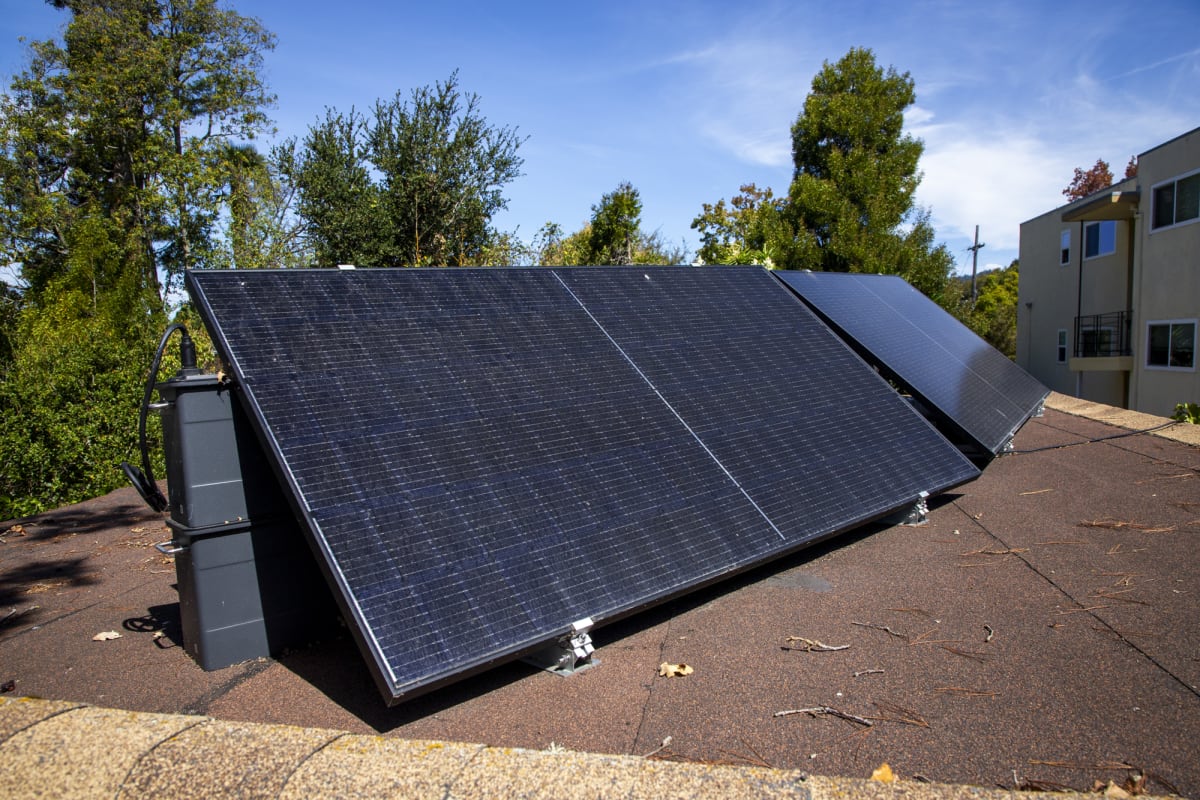
Traditional rooftop solar would have cost tens of thousands of dollars, far beyond Chan's budget. But last year, she discovered plug-in solar: a simple kit of panels, an inverter, and cables that plug straight into a regular outdoor outlet.
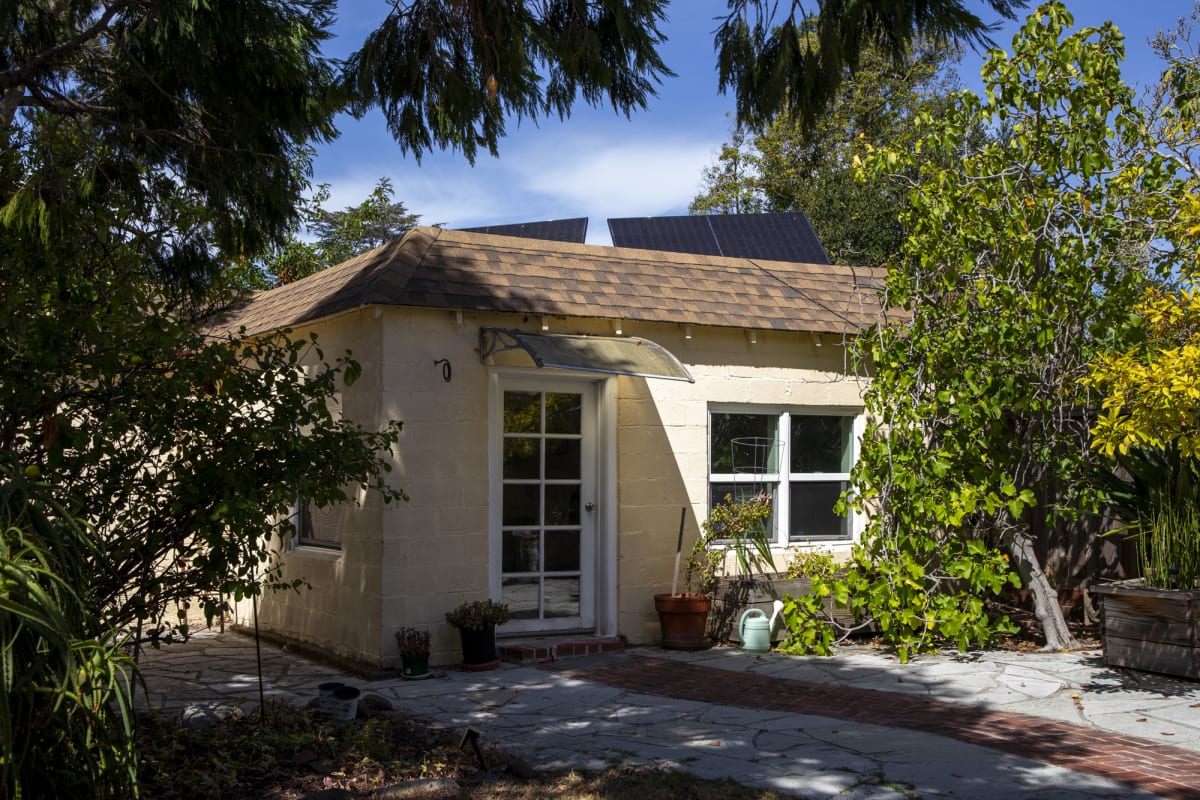
Chan paid just $400 for her two-panel system through nonprofit Bright Saver, which installed it for free in under an hour. The panels sit on top of her backyard accessory unit, soaking up California sun even on foggy days.
The transformation has been remarkable. Chan ditched her sleeping bag setup and now walks comfortably around her home in normal clothes, electric heater in tow. Her average monthly bill dropped to $200, saving her about $100 each month while finally letting her feel warm in her own home.
She even added a small backup battery the size of two stacked laptops. It charges fully each day from excess solar energy and powers her fridge and internet through the evening hours.
The Ripple Effect
Chan is among the early adopters testing technology that could help millions of renters, fixed-income homeowners, and anyone priced out of traditional solar. Plug-in solar systems range from $300 to $2,200 and generate enough electricity to meaningfully cut monthly bills without expensive installation.
California lawmakers just passed a bill to formally legalize plug-in solar, which previously existed in a legal gray area. If Governor Gavin Newsom signs it, the policy takes effect in January, exempting qualifying devices from the costly registration process required for rooftop arrays.
The technology isn't without growing pains. Some early buyers report frustrating installation challenges and syncing issues with smart features. But supporters believe California's sunny weather, high electricity costs, and huge market will drive improvements as adoption grows.
For Chan, the simple system delivered exactly what she needed: affordable warmth and independence. She's proof that clean energy solutions don't always require massive investment to make a real difference in someone's daily life.
More Images
Based on reporting by Google News - Clean Energy
This story was written by BrightWire based on verified news reports.
Spread the positivity!
Share this good news with someone who needs it