Uzbekistan Inventors Unveil $8,100 Firefighting Robot
Innovative creators in Uzbekistan are engineering affordable high-tech solutions to keep first responders safe and power a cleaner future. From heat-resistant emergency rovers to clean-energy student inventions, practical ingenuity is taking center stage.
Firefighters facing dangerous blazes may soon have a fearless new ally rolling into the heat ahead of them. In Tashkent, local innovators have designed an affordable, remote-controlled robot built to shield emergency crews from life-threatening infernos.
The tracked rover can venture 800 meters away from human operators, directing a powerful water cannon directly into extreme danger zones. Its specialized tracks can withstand temperatures up to 1,000 degrees Celsius, letting rescue teams tackle severe fuel fires without risking lives.
Developed alongside Uzbekistan's Ministry of Emergency Situations, the robot costs approximately €8,100 to produce. That is nearly half the cost of imported alternatives, opening doors to deploy critical safety gear across Central Asia.
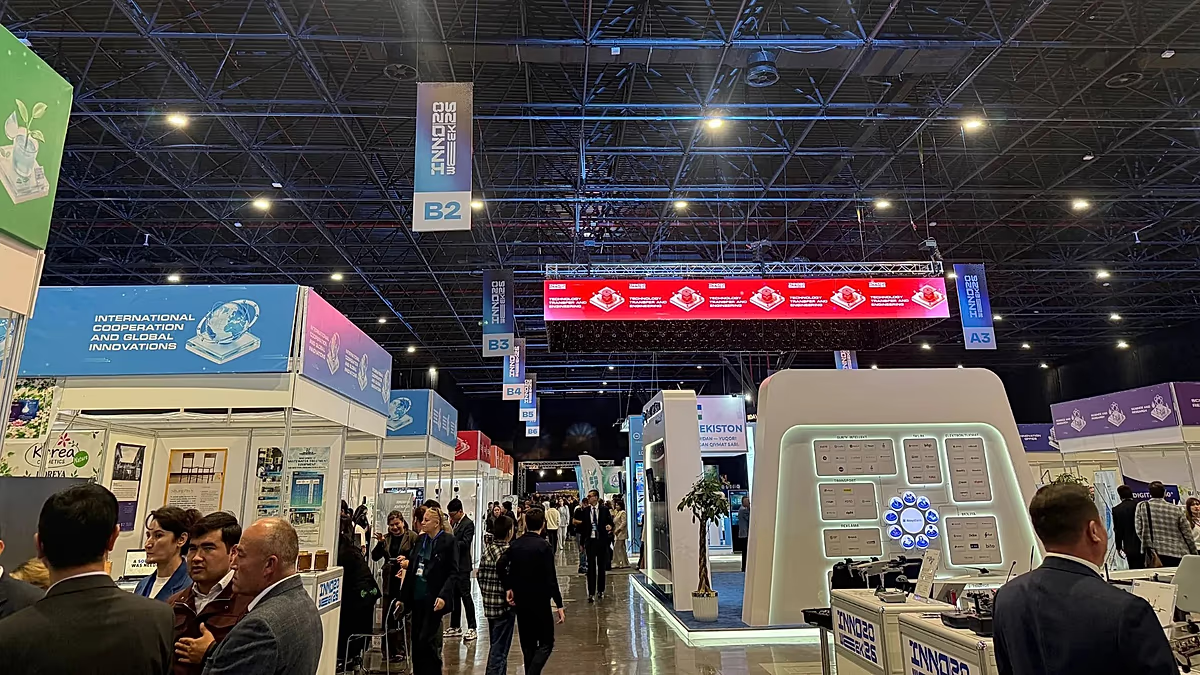
The breakthrough is just one of several exciting inventions unveiled at the country's InnoWeek exhibition. Engineers and ambitious students gathered to prove that homegrown ingenuity can solve everyday community challenges.
Nearby, drone specialists demonstrated an adaptable aerial craft capable of carrying a 50-kilogram payload. The versatile design swaps tanks in minutes, moving seamlessly from extinguishing brushfires to gently fertilizing farm fields without compacting valuable soil.
Student creativity also stole the spotlight with clever, green ideas for daily city life. Young creators at Kimyo International University built an artistic, tree-shaped station that pairs solar panels and wind turbines with battery storage.
The self-contained clean energy station powers outdoor lighting and campus security cameras while feeding clean power directly to school grounds. Under the university's support model, the school purchases these student creations directly, reinvesting the proceeds into future research.
Meanwhile, engineering students at Turin Polytechnic University proudly presented a lightweight electric vehicle that consumes just 0.6 kilowatt-hours per 10 kilometers. Their fuel-sipping creation will soon represent Central Asian innovation at global energy efficiency competitions in the United States.
The Ripple Effect
By funding spin-offs and backing classroom breakthroughs, universities and government partners are proving that young dreamers can build practical tools for real communities. Making life-saving tools accessible to smaller towns protects working heroes and inspires the next generation of problem solvers.
Every new prototype brings communities one step closer to a safer, cleaner, and more resilient tomorrow.
Based on reporting by Euronews
Building Something New? Try the BrightWire Tech Stack Advisor
Compare modern frameworks, cloud hosting, and AI tools tailored to your project budget and scale.
Spread the positivity!
Share this good news with someone who needs it