Vancouver Startup Turns Logging Waste Into Plastic Alternative
A University of British Columbia spinoff is transforming sawdust and wood scraps into foam packaging that could replace polystyrene. The innovation tackles two problems at once: plastic pollution and forestry waste that fuels wildfires.
What if the sawdust littering forest floors could replace one of the world's most polluting plastics?
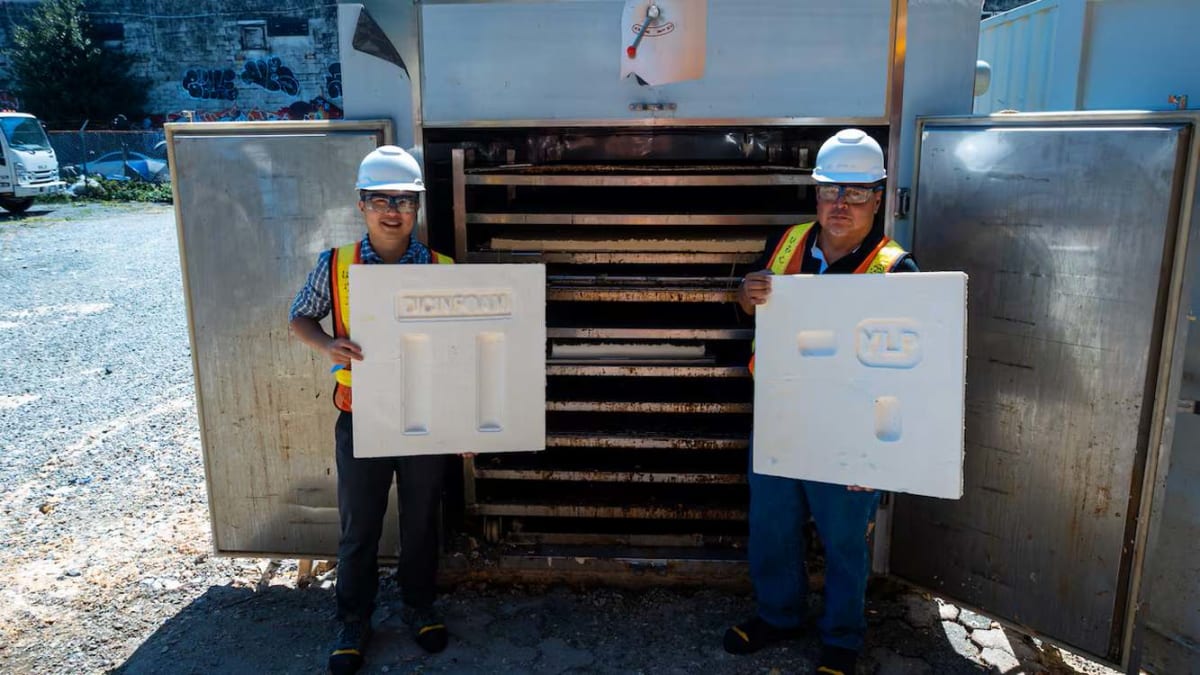
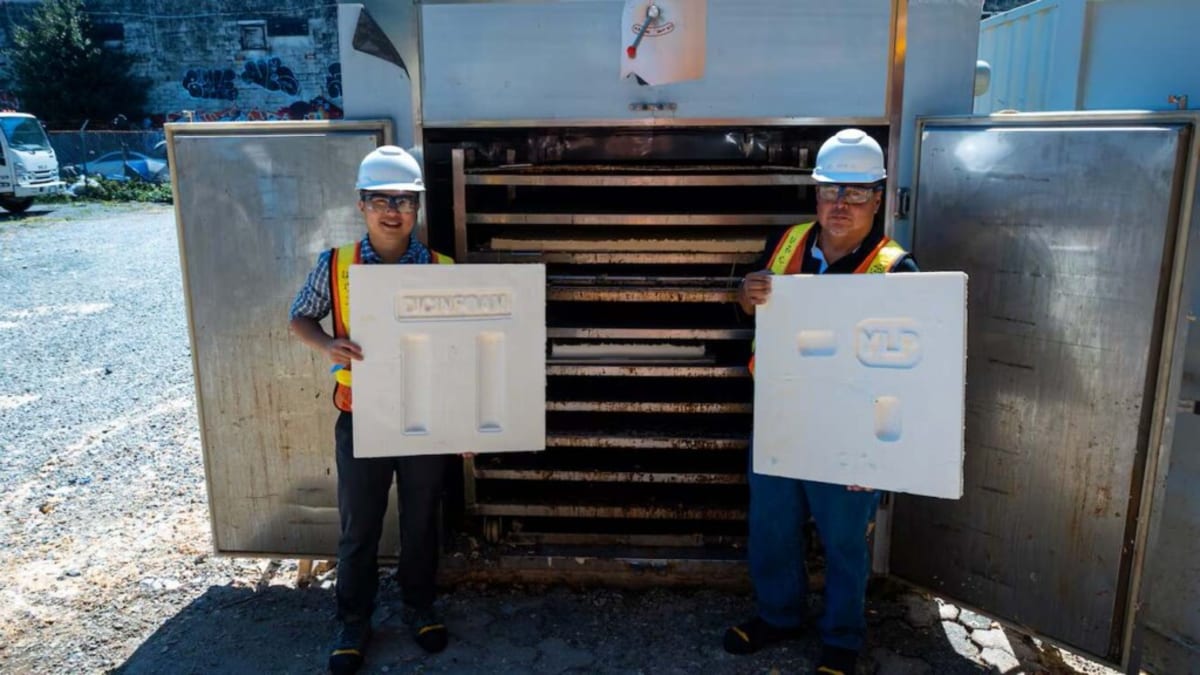
A Vancouver startup called DicinFoam is doing exactly that. The company emerged from the University of British Columbia, where Professor Feng Jiang's team developed a way to turn low-value timber waste into "wood foam" packaging that works just like polystyrene.
Their pilot plant in East Vancouver already produces 400 pounds of the material daily. CEO Richard Chen and CTO Zhu Yale are now scaling up to meet real-world demand.
The timing couldn't be better. Polystyrene foam, that white material protecting new TVs and appliances, takes about 1,000 years to break down in the environment. It shreds easily into microplastics that scientists say persist twice as long as other common plastics.
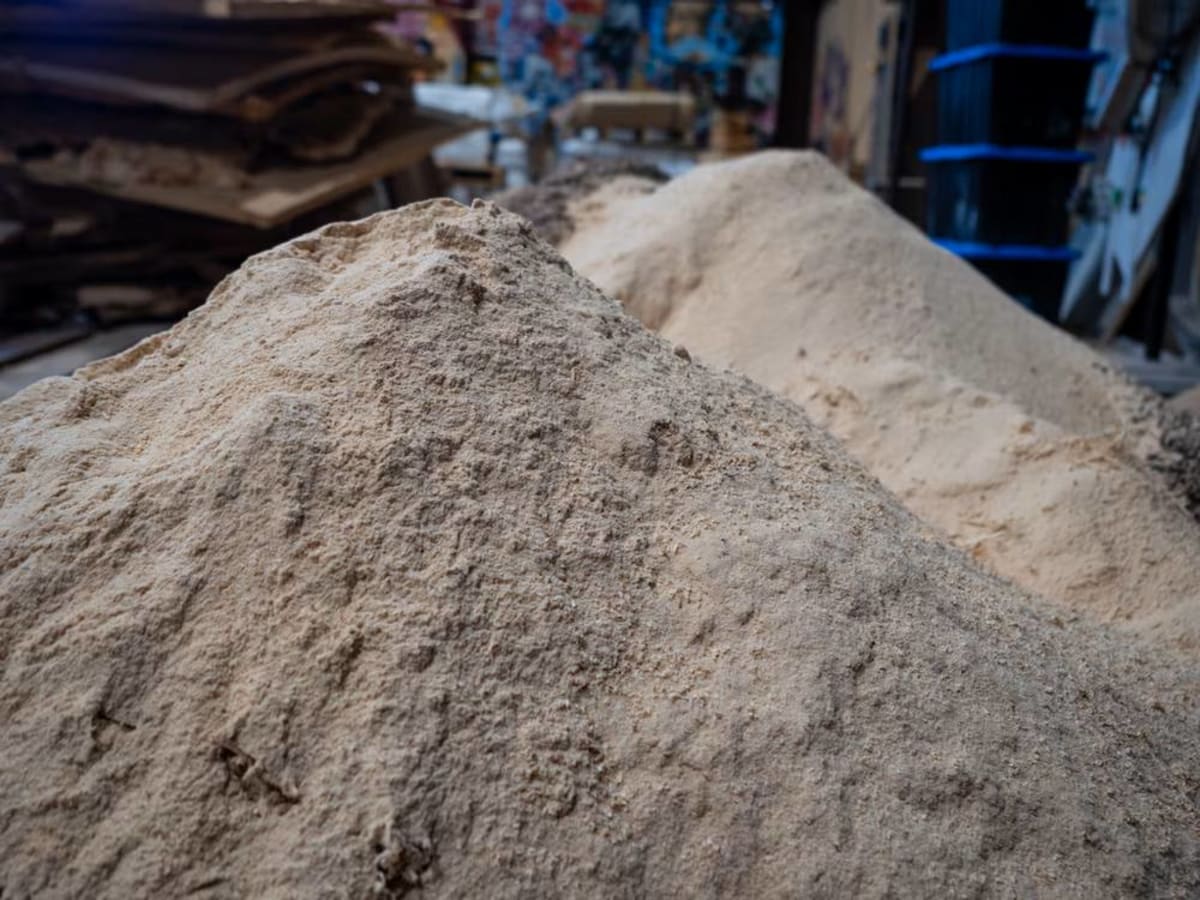
Meanwhile, Canada's massive timber industry leaves behind mountains of waste. About 30% of every harvested tree becomes sawdust, chips, and pulp that sits unused. On forest floors, this debris acts as kindling for wildfires. At sawmills, workers constantly sweep it up for disposal.
The wood foam process starts by homogenizing these forestry leftovers into a consistent feedstock. Special machines then form and heat-press the material into foam panels that can cushion products just like traditional packaging.
The Ripple Effect
DicinFoam's next facility will produce 1,000 tons per year on the shores of Burns Lake. The Wet'suwet'en First Nation owns this upcoming operation, bringing economic opportunity to Indigenous communities while addressing environmental challenges.
"If we can even get a fraction of that and replace everyday existing products made of plastics, I feel that's a big deal," Chen told CBC News. "Especially when we have materials just sitting in the forest."
The team's vision extends beyond Burns Lake. They're planning a 15,000-ton facility on Vancouver Island. At that scale, wood foam would cost the same as the polystyrene it replaces, removing the main barrier to widespread adoption.
The company is proving that waste from one industry can solve problems in another, turning what burns forests and pollutes oceans into a material that protects products and degrades naturally.
More Images


Based on reporting by Good News Network
This story was written by BrightWire based on verified news reports.
Spread the positivity!
Share this good news with someone who needs it