Vandenberg and NASA Partner to Explore the Universe
For nearly 70 years, Vandenberg Space Force Base and NASA have teamed up to launch missions exploring everything from ocean patterns to distant galaxies. Their latest success, the SPHEREx telescope, is already mapping hundreds of millions of galaxies and discovering interstellar objects passing through our solar system.
A telescope launched from California's coast is now mapping the universe in ways we've never seen before, revealing secrets about water in space and mysterious objects traveling between the stars.
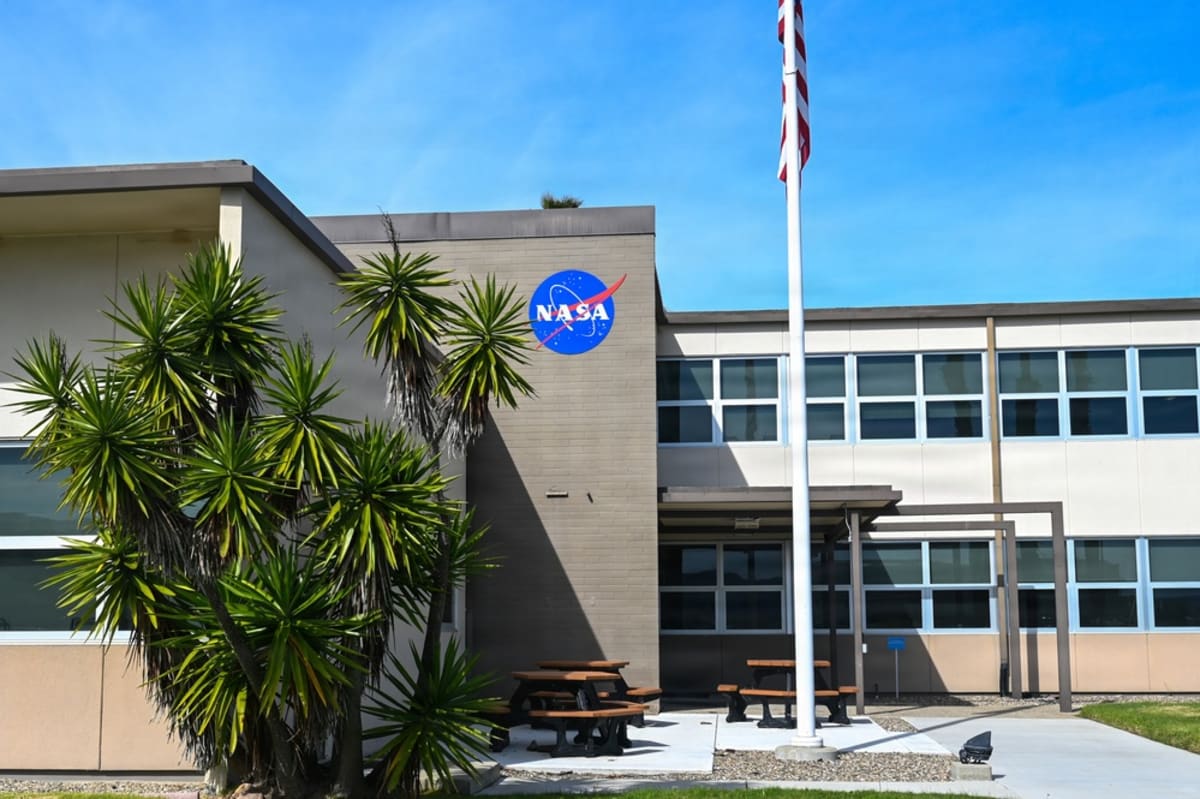
Since 1958, Vandenberg Space Force Base and NASA have worked side by side to launch groundbreaking scientific missions into space. Their partnership has enabled discoveries that help us understand everything from our own planet to the furthest reaches of the cosmos.
The process begins long before any rocket leaves the ground. Specialized teams at Vandenberg's facilities carefully prepare each payload, testing every instrument to ensure it can survive the harsh environment of space.
"It takes everybody on this base to execute a launch campaign," said Daye Hoffman, NASA's organizational director at Vandenberg. His team manages everything from planning to payload integration, making sure each mission succeeds.
The cleanliness standards are extraordinary. When launching missions to search for life in the universe, teams must prevent any Earth biology from contaminating the spacecraft, ensuring scientists don't accidentally detect life from our own planet during their cosmic searches.
Once payloads pass inspection, the U.S. Space Force's 2nd Range Operations Squadron coordinates launch scheduling and range operations. Both organizations work in concert to ensure their independent operations don't interfere with each other, carefully managing time windows for launch activities.
The Ripple Effect
The partnership's recent achievements showcase what's possible when space agencies collaborate. SPHEREx, a space observatory launched through this collaboration, uses near-infrared sensing technology to map massive areas of the sky.
More than 11 months after launch, the telescope continues delivering exciting results. Dr. Jamie Bock from the California Institute of Technology reports the mission has already mapped the distribution of water ice in space and observed 3I-ATLAS, only the third interstellar object ever discovered passing through our solar system.
As of March 2026, SPHEREx keeps working, mapping hundreds of millions of galaxies in three dimensions to help scientists understand the history of the universe and how galaxies formed.
From ocean measurement instruments to deep-space telescopes, every successful mission represents countless hours of collaboration between dedicated teams. Their work doesn't just launch rockets; it launches humanity's understanding of our place in the cosmos forward.
Nearly seven decades of partnership proves that when brilliant minds work together with shared purpose, there's no limit to what we can discover.
Based on reporting by Google: scientific discovery
This story was written by BrightWire based on verified news reports.
Spread the positivity!
Share this good news with someone who needs it