Vermont Butterfly Watchers Create Nation's 2nd Atlas
Volunteers across Vermont are teaming up with scientists to map every butterfly species in the state, helping create what may be America's first-ever second butterfly atlas. Even on days when not a single butterfly appeared, these citizen scientists showed up to collect data that will guide conservation for decades.
A dozen nature lovers gathered in the misty Vermont air, butterfly nets ready, hoping to spot the delicate wings of monarchs and swallowtails darting through patches of milkweed.
They're part of something bigger than a summer hobby. The Vermont Center for Ecostudies is partnering with everyday Vermonters to create the state's 2nd Butterfly Atlas, likely making Vermont the first state in America to complete a second comprehensive butterfly survey.
The project maps all butterfly species across Vermont's 184 priority zones, each covering nine square miles. Over five years, volunteers and scientists document which butterflies live where, when they emerge, and how their populations are changing.
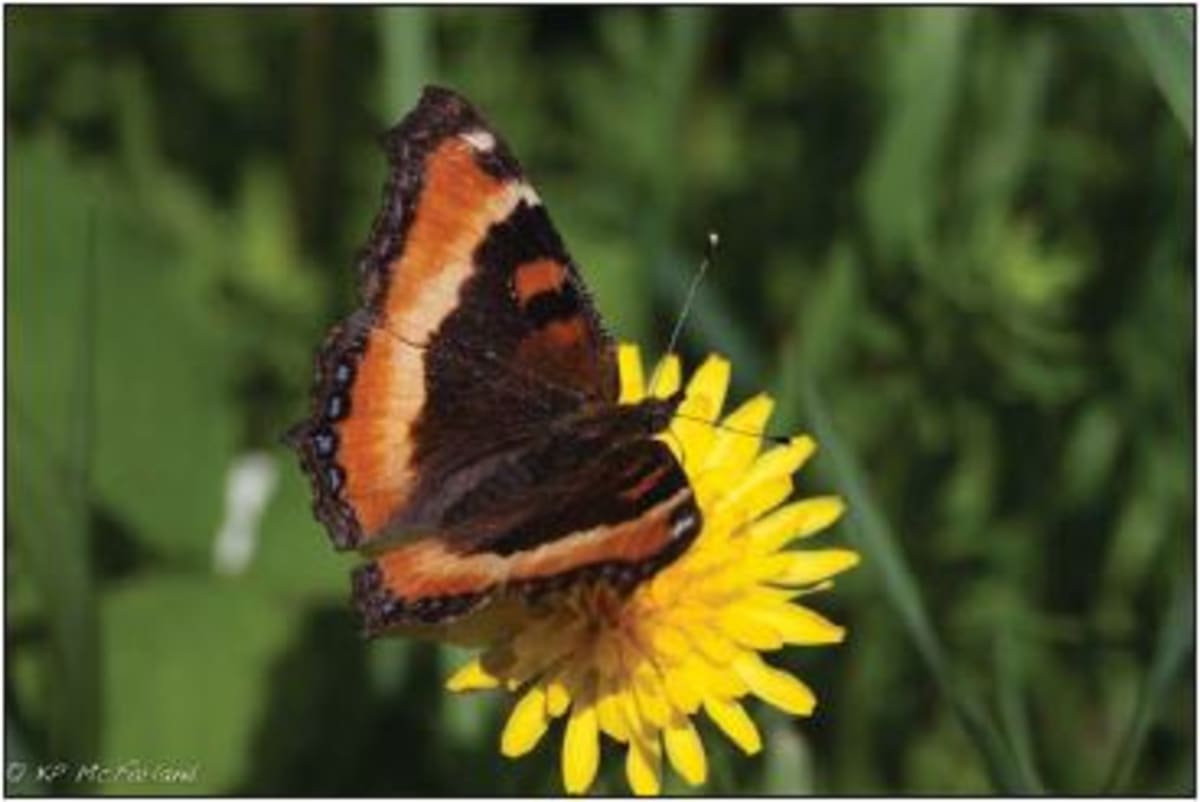
The first atlas wrapped up in 2007. Now, 20 years later, the data reveals troubling trends like the Milbert's tortoiseshell, an early spring butterfly whose Northeast population has crashed over 96%.
"Are there as many monarchs as there used to be 20 years ago? Have Canadian tiger swallowtails changed?" said Kent McFarland, who co-founded the ecostudies center and directs the butterfly atlas project.
The answer matters more than you might think. Vermont's Fish and Wildlife Department uses this data to write the state's Wildlife Action Plan, the blueprint for future conservation efforts. Without solid population data, a species can't even be included in conservation plans.
During each "blitz," volunteers race to identify butterflies before they flutter away, using field guides, bug nets, and even cell phones for close-up looks. Once identified, every butterfly goes free.
Why This Inspires
On that chilly July day in Greensboro, the final butterfly count hit zero. The temperature sat below the 65 to 85 degrees butterflies prefer, keeping them tucked away.
Yet every volunteer stayed, walked the survey route, and recorded the absence. That data matters too, showing scientists when and where butterflies don't appear.
Dana Williams, the community science coordinator, said volunteers cut the project's timeline in half. But their value runs deeper than efficiency.
"It's actually the people who live here who were on the ground collecting the data to make the management plans for their own state, for their own community," Williams said.
The project transforms neighbors into scientists and casual observers into conservation heroes. Vermont now has a thriving butterfly-conscious community, people who understand that showing up on cold, misty days with zero butterflies is just as important as catching dozens on sunny afternoons.
Every blank data sheet and every identified species builds a clearer picture of which butterflies need help, and these volunteers are writing that story one blitz at a time.
More Images




Based on reporting by Google: volunteers help
This story was written by BrightWire based on verified news reports.
Spread the positivity!
Share this good news with someone who needs it