Vertical Gardens Cool Cities While Cleaning the Air
A Spanish botanist is teaching cities worldwide how to install vertical gardens that slash building temperatures, filter pollution, and grow three times faster than traditional parks. Latin American cities already have hundreds while Europe lags behind.
While Europe struggles through another scorching summer, a solution already thriving in Latin America could help cities fight the heat naturally.
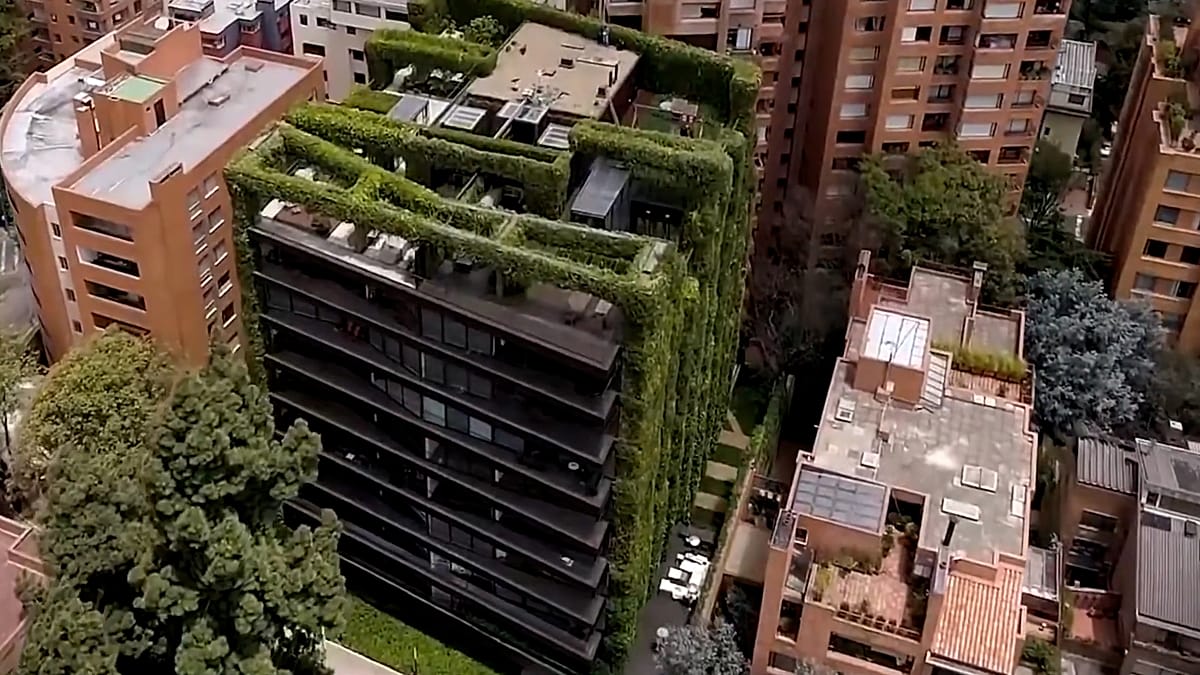
Vertical gardens—living walls of plants growing without soil—can dramatically lower building temperatures while filtering pollution and supporting urban wildlife. Buenos Aires, Mexico City, and Guatemala City each boast hundreds of these green installations, while major European capitals typically have just two or three.
Spanish botanist Ignacio Solano has spent 14 years studying how plants grow in tropical rainforests from Colombia to Madagascar. He's now applying that jungle wisdom to transform concrete cities, helping install nearly a million square meters of vertical gardens worldwide.
The technology works by feeding plants through hydroponic systems instead of soil. Solano carefully selects species based on each city's altitude, climate, and building position, matching plants by their adaptability and nutritional needs. The results speak for themselves: these systems produce three times more oxygen and grow three times faster than ground-level green spaces.
Milan's Bosco Verticale towers already demonstrate the potential. The residential skyscrapers hold more than 21,000 trees and shrubs, convert nearly 20,000 kilograms of carbon annually, and now shelter 20 species of birds. Similar projects could protect European citizens as heatwaves intensify.
The Ripple Effect
Modern vertical garden systems now consume virtually no water and need maintenance just once yearly. Solano's company teaches intensive five-day courses through its Guatemala City franchise, deliberately making the training accessible to anyone with enthusiasm.
Students don't need degrees in botany, architecture, or engineering. Within five days, participants learn to identify plant species, understand optimal wall placement, and master the full business model including sales and contracts. Of roughly 100 students per course, 85 typically launch real projects.
The technology addresses multiple urban challenges simultaneously. Green walls filter particulate matter from polluted air, absorb carbon dioxide, and create habitats for birds and insects in cities where space for traditional parks doesn't exist. They also reduce heat absorption in dense areas, improving thermal comfort for everyone nearby.
Solano calls these installations "biofilters for cities." As climate change pushes temperatures higher each summer, bringing rainforest wisdom to urban spaces offers practical hope for making cities livable again.
More Images

Based on reporting by Euronews
This story was written by BrightWire based on verified news reports.
Spread the positivity!
Share this good news with someone who needs it