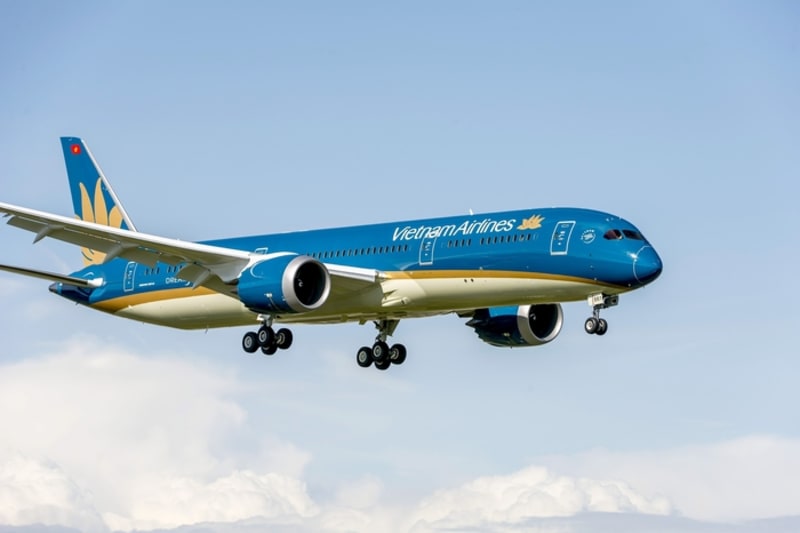
Vietnam Airlines Cuts 6 Tons of CO2 in Flight Trial
Vietnam Airlines just proved that small changes on airplanes can make a massive difference for our planet. Their award-winning experiment shows the aviation industry how to fly greener without compromising service.
Vietnam Airlines turned two ordinary flights into powerful proof that the aviation industry can reduce its carbon footprint right now.
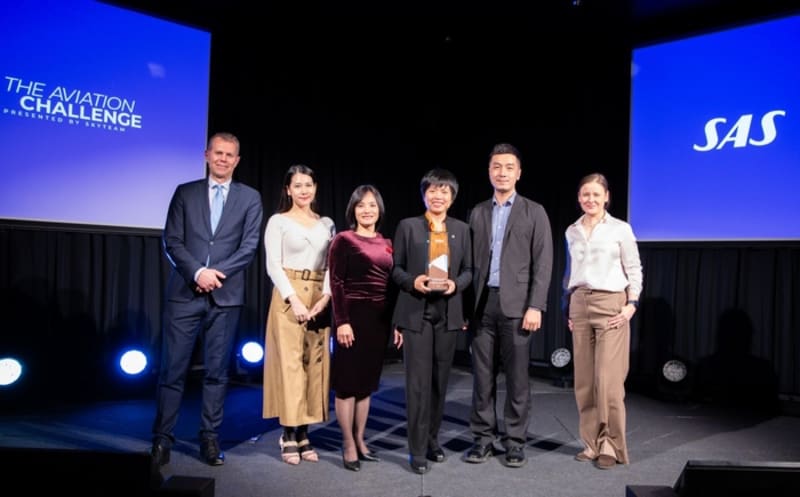
The Vietnamese carrier recently won "Most Impactful Solution – Inflight Products" at The Aviation Challenge 2025, beating competitors from across the globe. The award from SkyTeam airline alliance recognized their creative approach to cutting waste and emissions on real passenger flights.
The airline tested sustainability measures on two routes: a domestic flight from Ho Chi Minh City to Hanoi and an international journey from Hanoi to Frankfurt, Germany. They swapped single-use items for reusable alternatives, optimized aircraft weight, and digitized paperwork wherever possible.
The results speak louder than any corporate promise. On the domestic flight, these changes saved 0.77 tons of fuel and cut 2.43 tons of CO2 emissions. The international flight did even better, reducing fuel use by 1.1 tons and slashing 3.5 tons of carbon dioxide.
Even small shifts added up fast. When 80% of passengers used online check-in instead of paper boarding passes, the airline cut another 2 to 3 kilograms of CO2 per flight.
The airline also introduced ultra-lightweight cargo containers, cleaned engines more efficiently, and fine-tuned flight paths to burn less fuel. None of these changes required passengers to sacrifice comfort or convenience.
The Ripple Effect
Vietnam Airlines reached the finals in five categories at the challenge, more than any other participating airline. That leadership position matters because when major carriers adopt greener practices, smaller airlines often follow their lead.
The real victory goes beyond one airline's trophy case. SkyTeam praised Vietnam Airlines specifically because their solutions are practical and scalable, meaning other carriers can copy them tomorrow without massive investments or delays.
Senior Executive Vice President Dang Anh Tuan emphasized that the changes never compromised safety or service quality. That balance proves the false choice between environmental responsibility and operational excellence doesn't actually exist.
Aviation accounts for roughly 2-3% of global carbon emissions, and that number keeps climbing as more people fly. Solutions like Vietnam Airlines demonstrated offer the industry a roadmap to grow without wrecking the planet in the process.
Every flight using these methods means tons of carbon dioxide staying out of our atmosphere, proof that the journey toward sustainable air travel has already begun.
More Images



Based on reporting by Google News - Emissions Reduction
This story was written by BrightWire based on verified news reports.
Spread the positivity!
Share this good news with someone who needs it