Vietnam's $317M Plan Could Save 18 Million From Water Crisis
The Mekong Delta, home to 18 million people and half of Vietnam's rice supply, is running out of clean water. A new nature-based system could recharge aquifers, cut salt intrusion, and restore water security using wind power and proven technology.
Eighteen million people in Vietnam's Mekong Delta face a crisis you can't see coming. They're surrounded by water, yet over 60% of rural residents lack safe drinking water as rising seas push salt into their wells and contamination spreads through untreated waste.
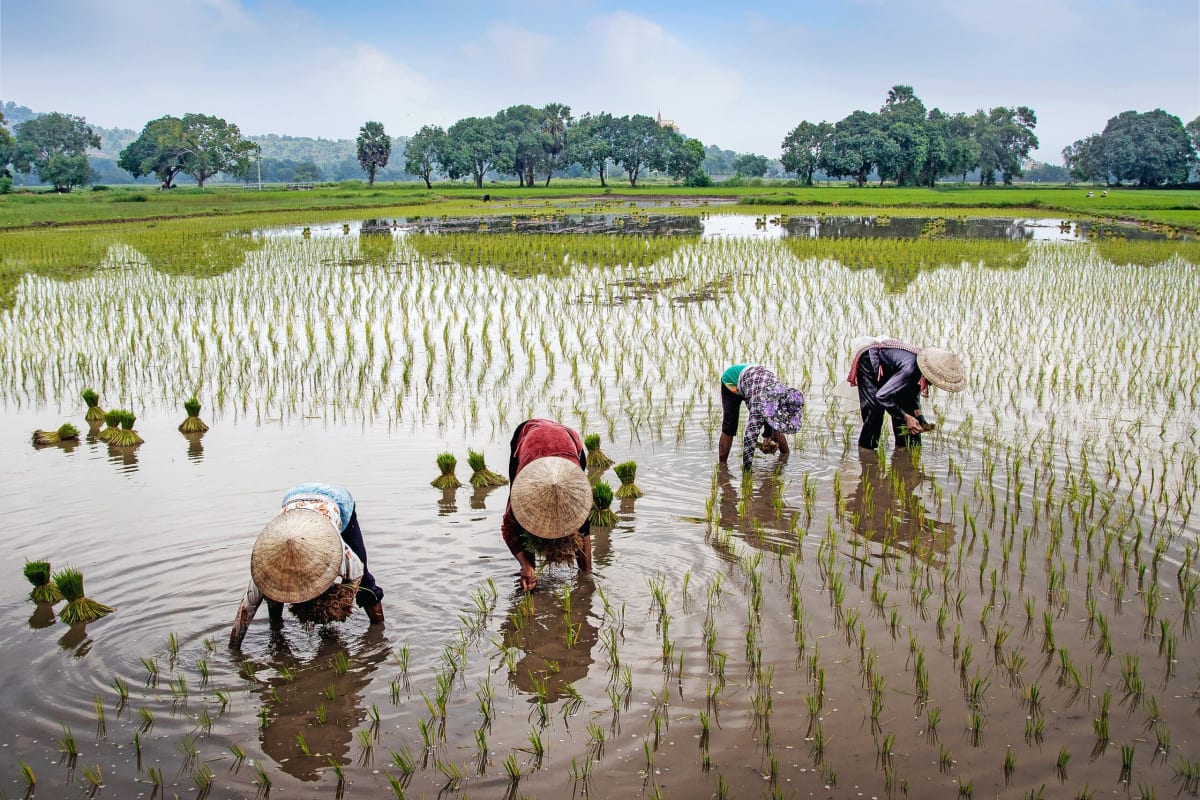
The Mekong Delta produces half of Vietnam's rice and feeds millions worldwide. But land is sinking up to 2.2 inches per year as communities pump out groundwater faster than nature can refill it, while sea levels creep higher and droughts grow more frequent.
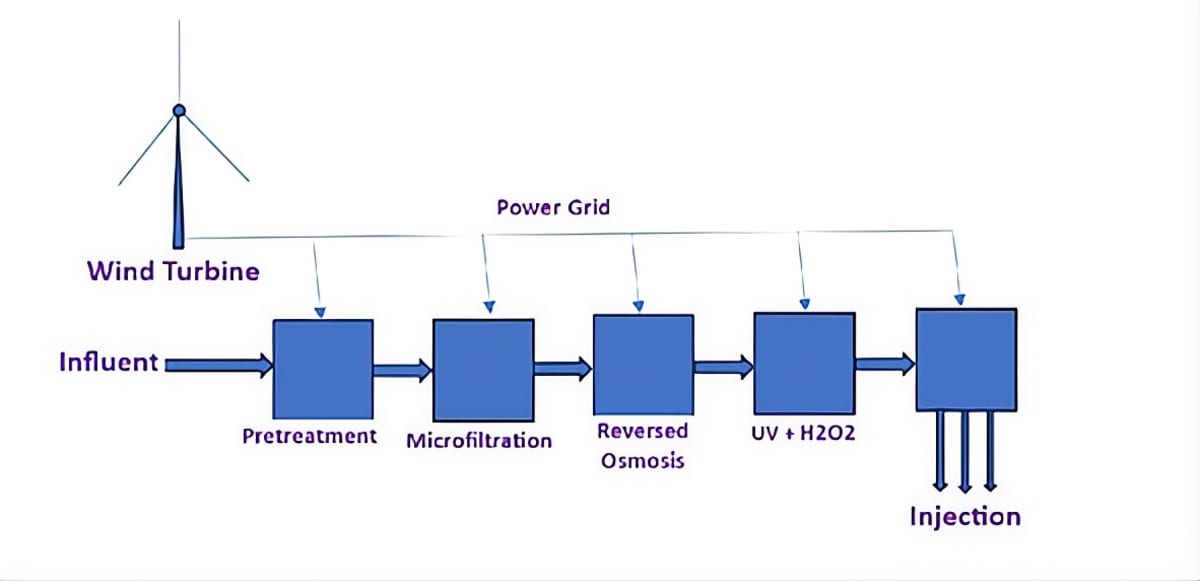
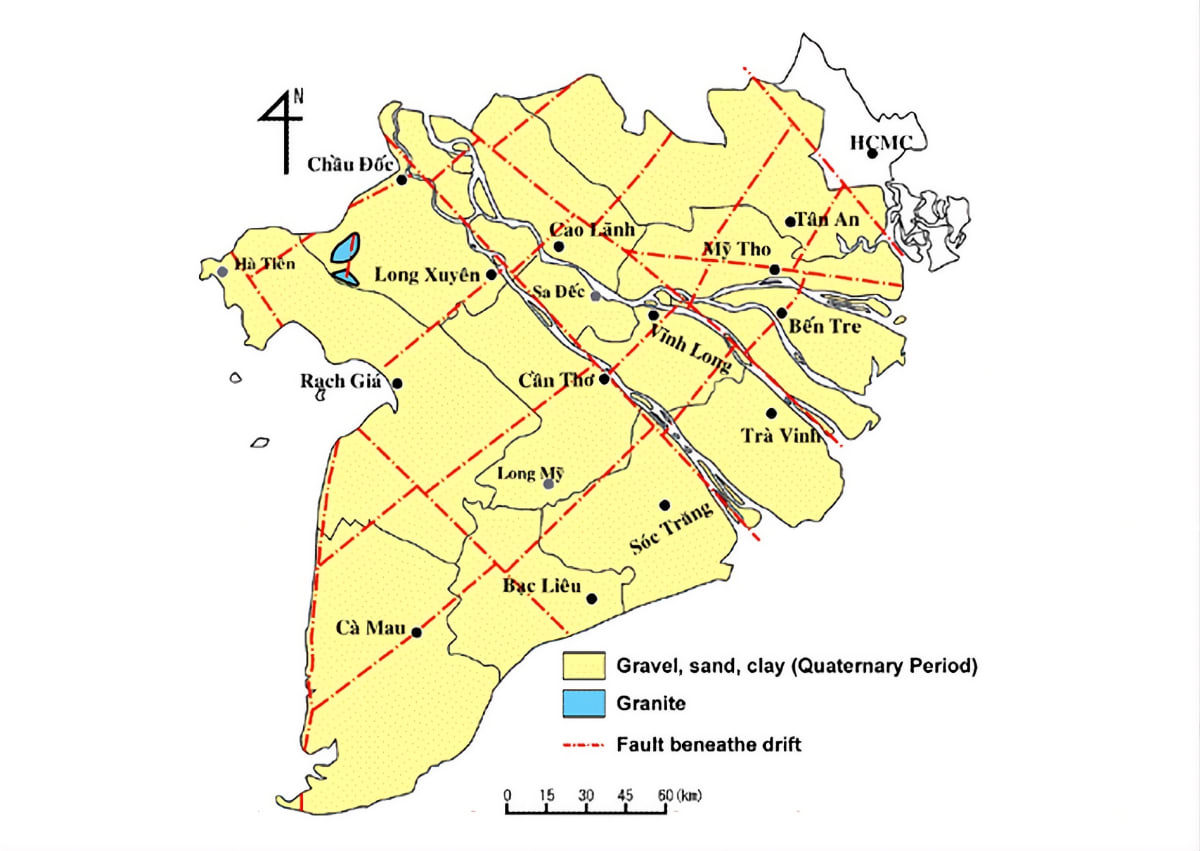
Now scientists have proposed a solution inspired by California's groundwater success story. The Mekong Delta Water Replenishment System would treat wastewater to drinking quality, then pump it deep underground through natural fault lines that act like highways between multiple water layers at once.
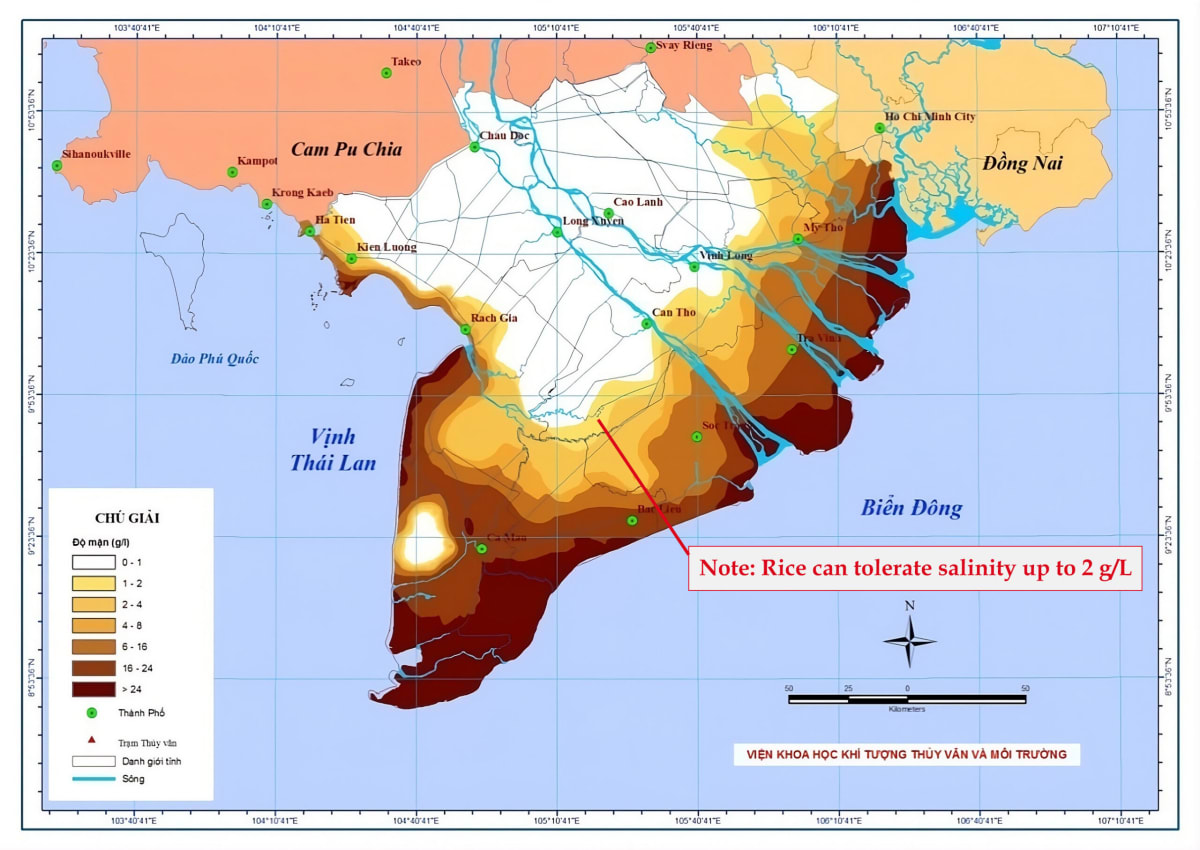
The system would work through five treatment plants producing 1.5 million cubic meters of clean water daily. Advanced filters and UV light would purify contaminated surface water before sending it down to recharge depleted aquifers, pushing back against saltwater intrusion that already affects 4.2 million acres.
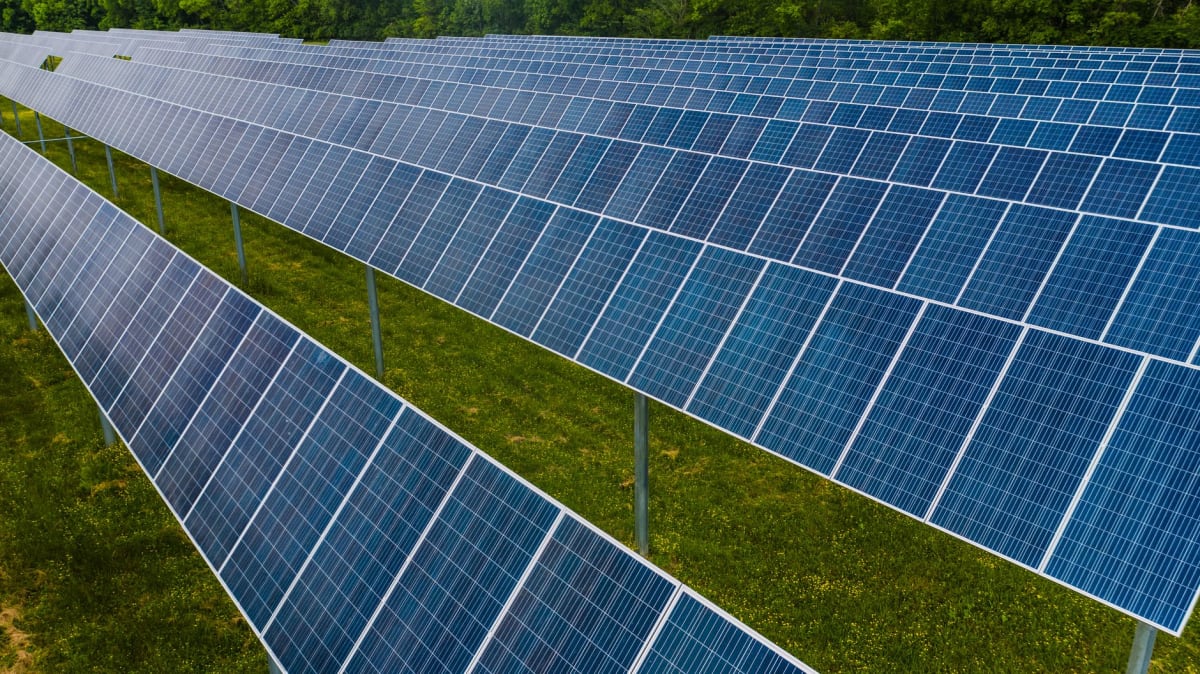
Wind turbines along the coast would power the entire operation. Fifty onshore turbines could generate the needed electricity at just 3 cents per kilowatt hour, far cheaper than Vietnam's regular industrial rates, making the system sustainable without draining government budgets.
The annual cost sits at $317 million, but researchers estimate $450 million in yearly benefits through higher crop yields, healthier fish farms, and reduced medical costs from waterborne diseases. Vietnam's master plan already calls for universal urban water access by 2030, but a promised $1.3 billion in treatment plants hasn't materialized yet.
The Ripple Effect: This isn't just about Vietnam. The Mekong Delta ranks among the world's three most climate-vulnerable regions, and solutions that work here could help coastal communities from Bangladesh to Florida facing similar threats of salt intrusion and aquifer depletion. By drilling wells at geological fault lines, engineers could recharge multiple water layers with fewer wells, cutting costs and environmental disruption while spreading clean water faster through underground systems.
Professor Duong Van Ni of Can Tho University stood beside the Mekong River in 2017 and captured the heartbreak perfectly. "Water all around, but my people do not have clean water for their livelihood," he said, his voice heavy with the weight of watching neighbors struggle despite living on one of Earth's greatest rivers.
The technology exists, the need is desperate, and the math adds up to millions of lives improved if Vietnam can turn this proposal into reality.
More Images
Based on reporting by Mongabay
This story was written by BrightWire based on verified news reports.
Spread the positivity!
Share this good news with someone who needs it