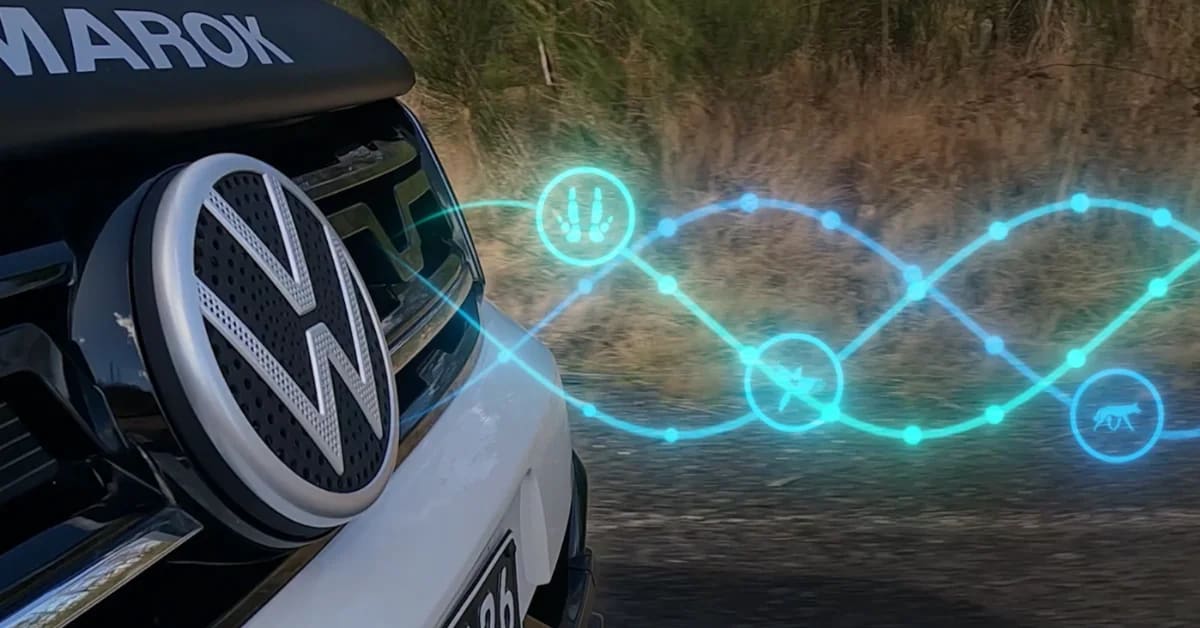
Volkswagen's AI Device Cuts Kangaroo Road Collisions
With 35 million kangaroos causing 90% of Australia's wildlife crashes, Volkswagen created a smart bumper device that speaks their language. The RooBadge uses AI to emit species-specific warning sounds that keep marsupials safely off roads.
Australia has more kangaroos than people, and that's creating a dangerous problem on the roads.
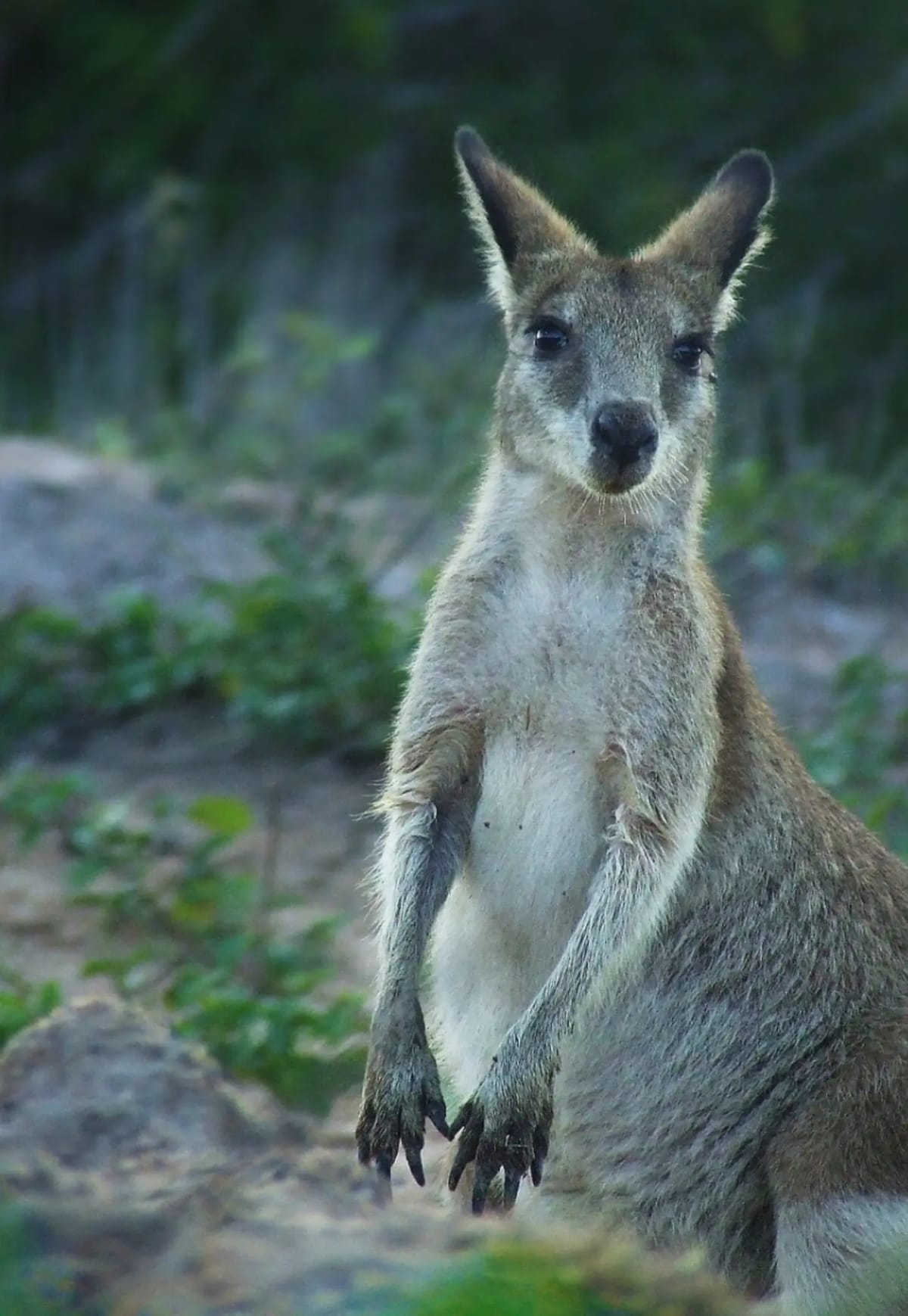
Kangaroos cause roughly 90% of all wildlife vehicle collisions across Australia, according to a study by Australian Associated Motor Insurers Limited. With 35.3 million kangaroos hopping around the country, that's 1.36 kangaroos for every Australian person.
Volkswagen teamed up with Dr. Helena Bender and Professor Graeme Coulson, Australia's leading kangaroo expert from the University of Melbourne, to solve this problem. Together, they created the RooBadge, a front bumper device that emits high frequency sounds only kangaroos can hear.
The device mixes sounds meaningful to kangaroos like bird alarm calls, predator noises, and kangaroo foot thumps with synthetic tones. But here's where it gets clever: different kangaroo species react differently to different sounds, so one warning won't work everywhere.
The RooBadge uses machine learning to compare GPS coordinates against kangaroo distribution data in real time. It automatically adjusts its sound pattern to deter whatever kangaroo species lives in that specific location.
Volkswagen is partnering with the Wildlife Information Rescue and Education Service to map collision hotspots and improve distribution data. The technology is currently in its fourth round of testing.
"The main thing is we would never come to market with anything that doesn't work, especially in this space," said Nathan Johnson, Volkswagen's commercial vehicles director. "We'll continue going through the testing process, making sure that it is a viable option."
The Ripple Effect
Once perfected, this technology could save animals worldwide. Volkswagen is already working with international partners to adapt RooBadge for deer in Europe and North America, where they're the leading cause of wildlife collisions.
The innovation also supports volunteers like Diane Kirkland, who has spent nearly a decade rescuing orphaned joeys from accident sites in western New South Wales. Baby kangaroos stay in their mother's pouch for six to 10 months, meaning struck mothers often carry hidden babies.
"Even if one dies, I am happy to say that it didn't die out on the open road, out in the cold," Kirkland said. "It was loved, it was looked after."
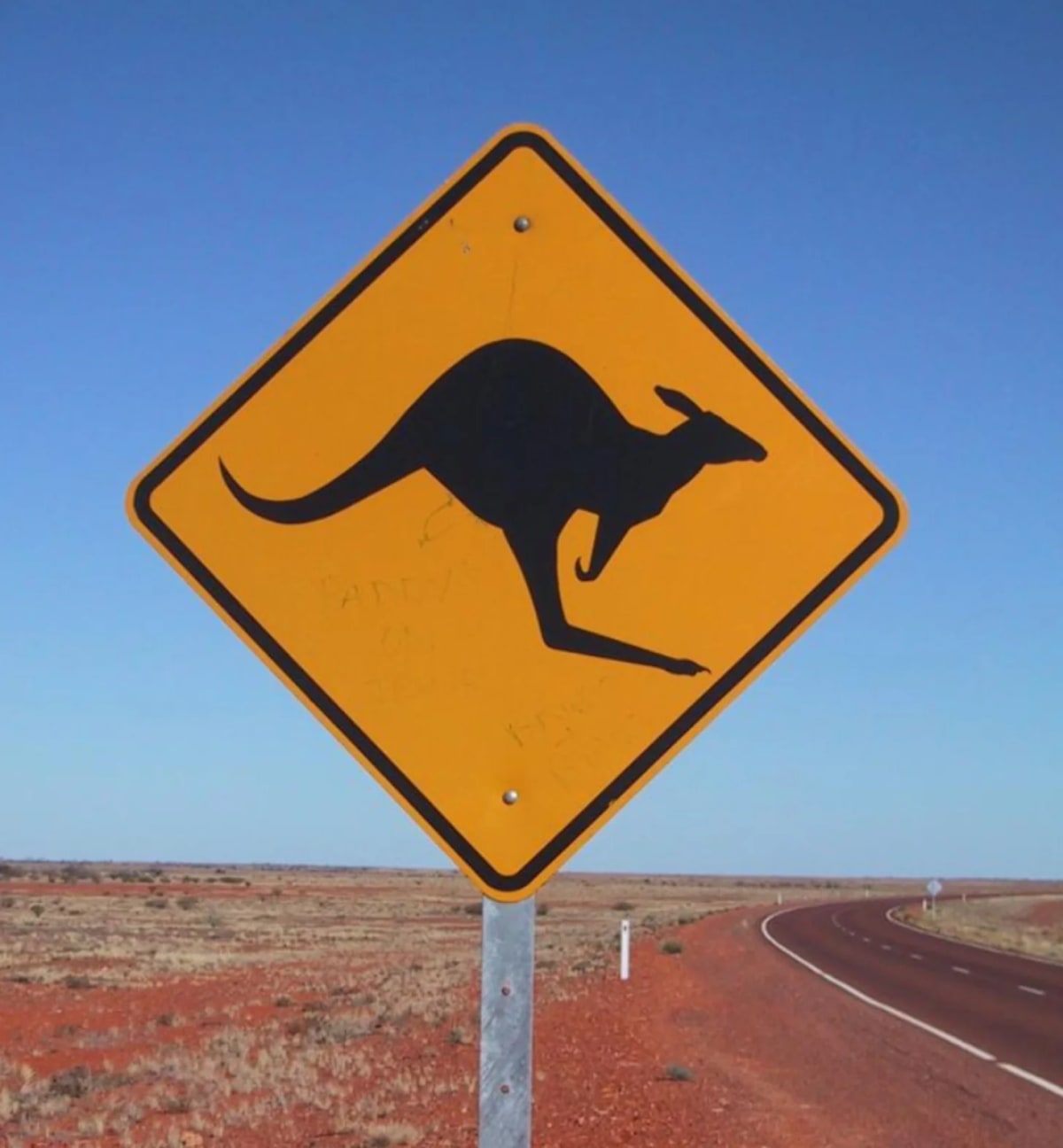
She's lost count of how many joeys she's raised and released on her farm, where they roam freely and sometimes return to rest on her lawn. Meanwhile, experts remind drivers to watch for wildlife at dawn and dusk, brake without swerving if animals appear, and follow posted warning signs.
Every innovation that keeps animals and people safer is a win worth celebrating.
More Images

Based on reporting by Good Good Good
This story was written by BrightWire based on verified news reports.
Spread the positivity!
Share this good news with someone who needs it
%2Ffile%2Fattachments%2F2997%2FGettyImages-2211967510_856600.jpg)