Volunteers Breed Rare Crickets at Home to Restore Wetlands
Citizen scientists in East Anglia are raising endangered bog bush crickets in their homes to bring the tiny insect back to wetlands where it vanished. The project builds on a similar effort that restored over 8,000 grasshoppers to the region since 2018.
A tiny cricket is getting a second chance at life, thanks to volunteers willing to turn their homes into conservation breeding grounds.
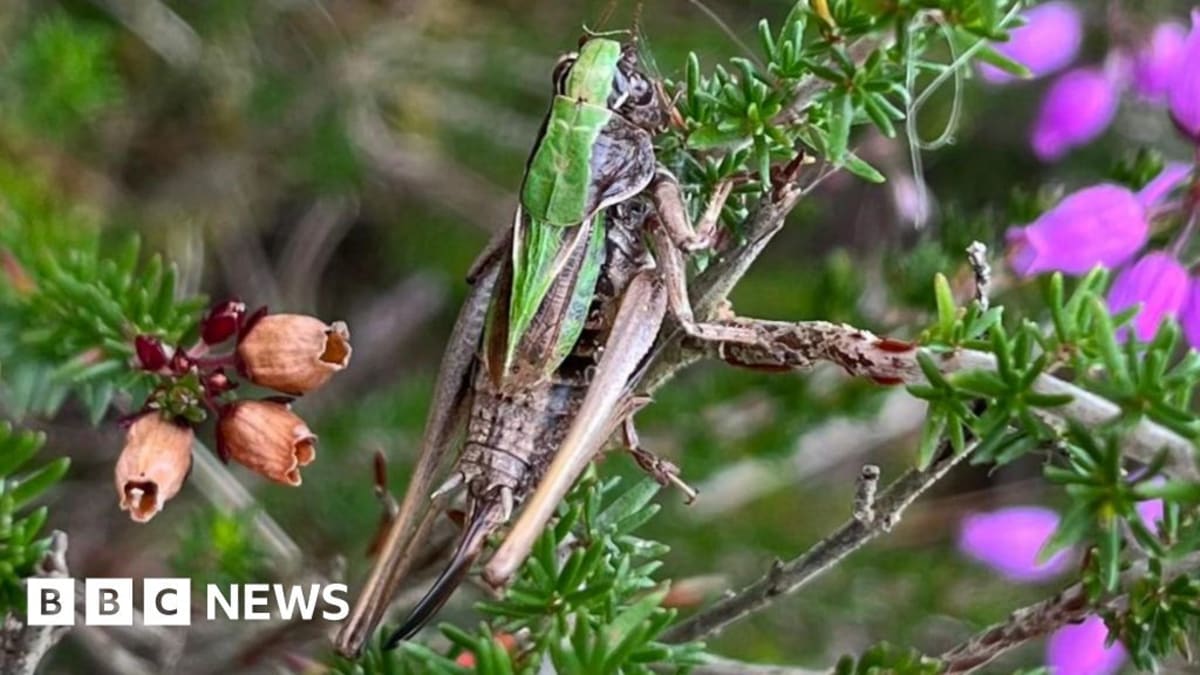
Citizen Zoo is recruiting community members across East Anglia to help breed the bog bush cricket, a nationally rare insect that's disappeared from most of its former wetland homes. The program invites everyday people to raise the crickets at home before releasing them back into restored habitats.
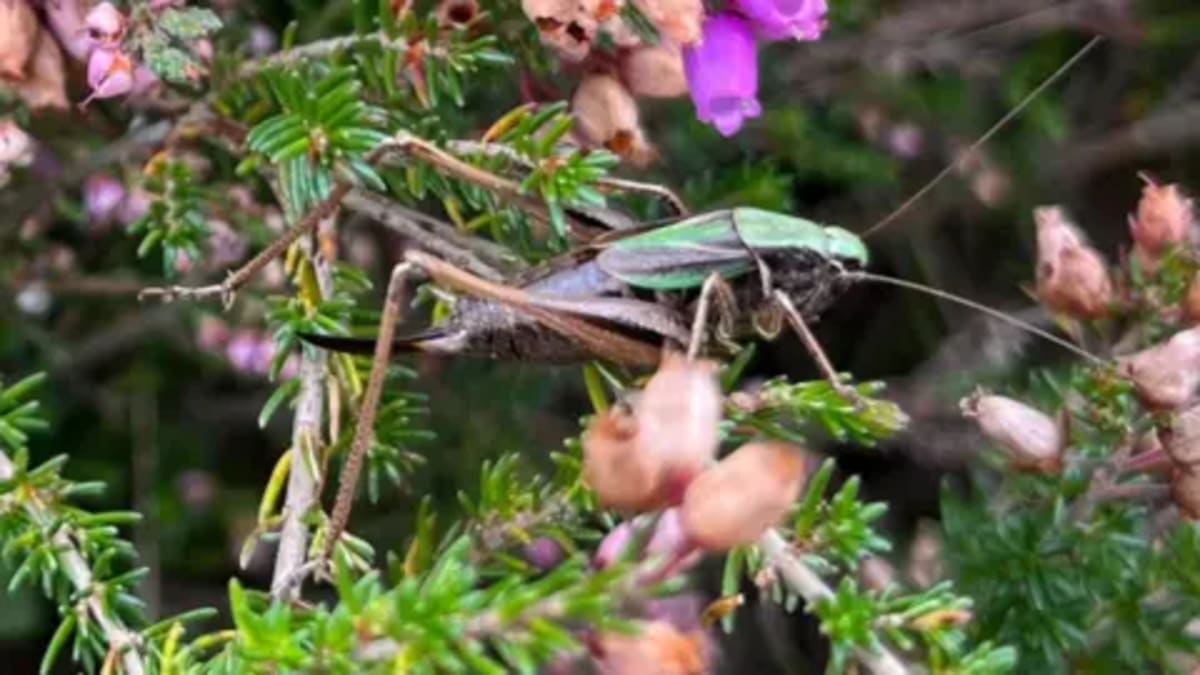
The bog bush cricket measures just 18mm long and faces a unique challenge. It almost always has short wings and cannot fly, making it nearly impossible for the species to spread to new locations on its own. Today, it survives in only eight spots across Norfolk, including Beeston Common, Holt Lowes, and Broadland Country Park.
"It just needs a little help," said entomologist Stuart Green, who's leading the breeding program. The cricket won't be easy to rear, though. It can be cannibalistic and takes two years to complete its life cycle, much longer than most insects.
Citizen Zoo is testing different breeding methods to work around these challenges and produce enough crickets for meaningful wild releases. Future reintroduction sites haven't been chosen yet, but The Fens wetlands would make ideal habitat.
The Ripple Effect
This project follows a proven blueprint. Since 2018, Citizen Zoo's Hop of Hope program has restored more than 8,000 large marsh grasshoppers to wetlands across Norfolk and Cambridgeshire. Last year, Natural England confirmed the grasshopper had successfully returned to the Broads after being absent for years.
Elliot Newton, director of rewilding at Citizen Zoo, sees these community-led efforts as antidotes to despair. "At a time when ecological decline can often leave people feeling powerless, community-led projects like this offer something vital: hope," he said.
The bog bush cricket thrives in wet, boggy conditions found in lowland peat bogs. It's one of only 10 bush cricket species currently found in the UK. Habitat loss drove the insect to near extinction, but restored wetlands across East Anglia are creating new opportunities for its return.
By inviting regular people into the conservation process, Citizen Zoo is proving that restoring nature doesn't require advanced degrees or institutional backing. It takes commitment, patience, and volunteers willing to share their living space with cannibalistic crickets for two years.
Local people are shaping a wilder future, one tiny cricket at a time.
More Images
Based on reporting by Google: volunteers help
This story was written by BrightWire based on verified news reports.
Spread the positivity!
Share this good news with someone who needs it