Volunteers Capture 52,469 Eclipse Photos for Science
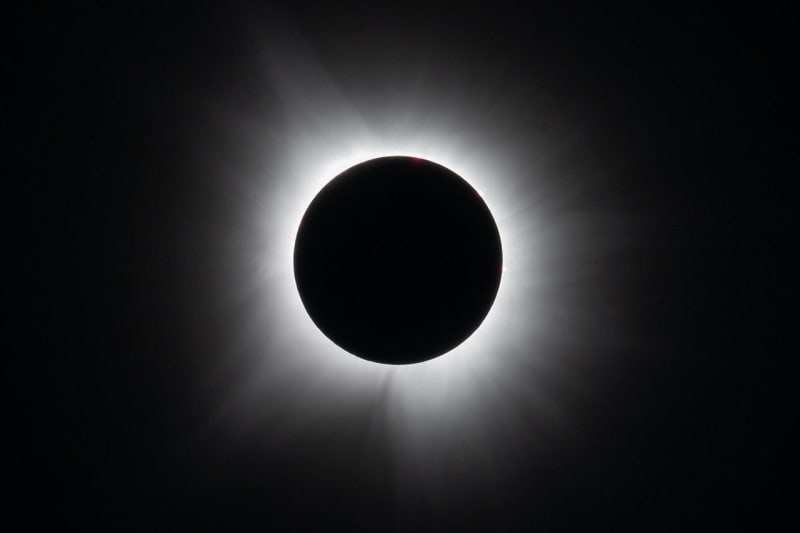
Hundreds of volunteers across America turned the 2024 total solar eclipse into groundbreaking science, capturing over 52,000 calibrated photos now available to researchers worldwide. Their coordinated effort created the first-ever dataset that lets scientists study how the Sun's mysterious corona evolves minute by minute.
On April 8, 2024, while millions watched the total solar eclipse in wonder, 143 volunteers were on a scientific mission with cameras in hand.
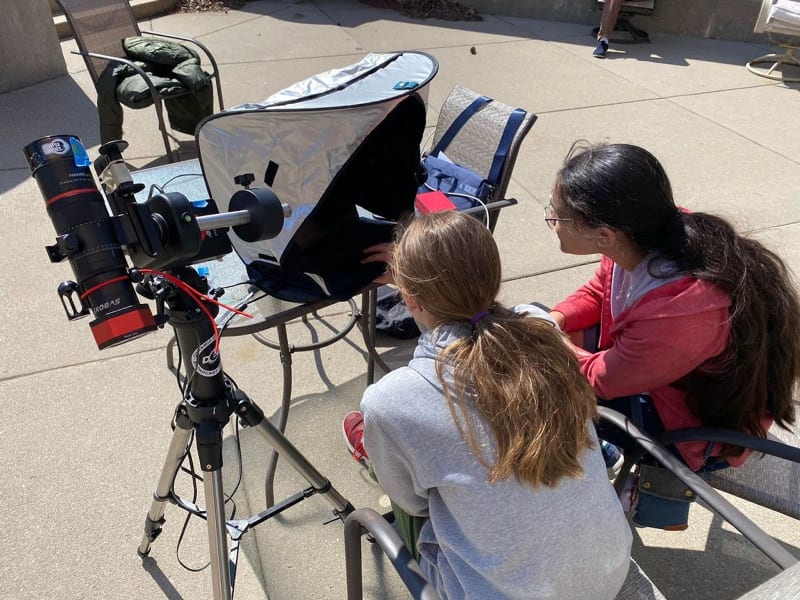
These citizen scientists weren't just snapping photos for Instagram. They were carefully capturing calibrated images for NASA's Eclipse Megamovie project, taking extra steps to ensure their photographs could reveal how the Sun's corona changes from one location to the next.
Now, nearly two years later, their dedication has paid off spectacularly. The Eclipse Megamovie team just released a groundbreaking dataset containing 52,469 photographs spanning more than 90 minutes of solar corona observations.
This isn't your average photo collection. The volunteers used precise equipment and followed strict protocols to create calibration frames, turning their smartphones and cameras into legitimate scientific instruments. Twenty-eight observatories had clear enough skies and sufficient data to produce the highest quality calibrated images.
The database is now live and completely free for anyone to explore. Researchers worldwide can use these observations to identify solar jets leaving the Sun's surface and study how solar plumes grow and develop. Understanding these plumes could help scientists solve one of astronomy's biggest mysteries: why the Sun's corona is so incredibly hot and how it creates space weather.
The Ripple Effect
What makes this project truly special isn't just the science. It's proof that ordinary people with cameras and curiosity can contribute to cutting-edge research.
Volunteer Jessi McKenna captured the spirit perfectly: "Everyone in the group has been amazingly supportive of each other. And those who are running things are always so obviously appreciative of everyone who has contributed to the project."
The collaboration between Sonoma State University, UC Berkeley, NASA's Goddard Space Flight Center, and programmer Troy Wilson shows how professional scientists and amateur enthusiasts can work together. The volunteers journeyed into the eclipse's path with patience and dedication, knowing their efforts would help unlock solar secrets visible only during these rare moments of total darkness.
The data comes in three processing levels, from raw images to fully calibrated scientific data, all in the standard astronomical format used by NASA. Whether you're a professional researcher or just eclipse-curious, you can search the database by observatory name and location.
Scientists can now study solar phenomena that remain hidden except during eclipses, thanks to hundreds of volunteers who looked up with purpose.
More Images

Based on reporting by NASA
This story was written by BrightWire based on verified news reports.
Spread the positivity!
Share this good news with someone who needs it