Voyager 1 Powers Down to Keep Exploring for Years to Come
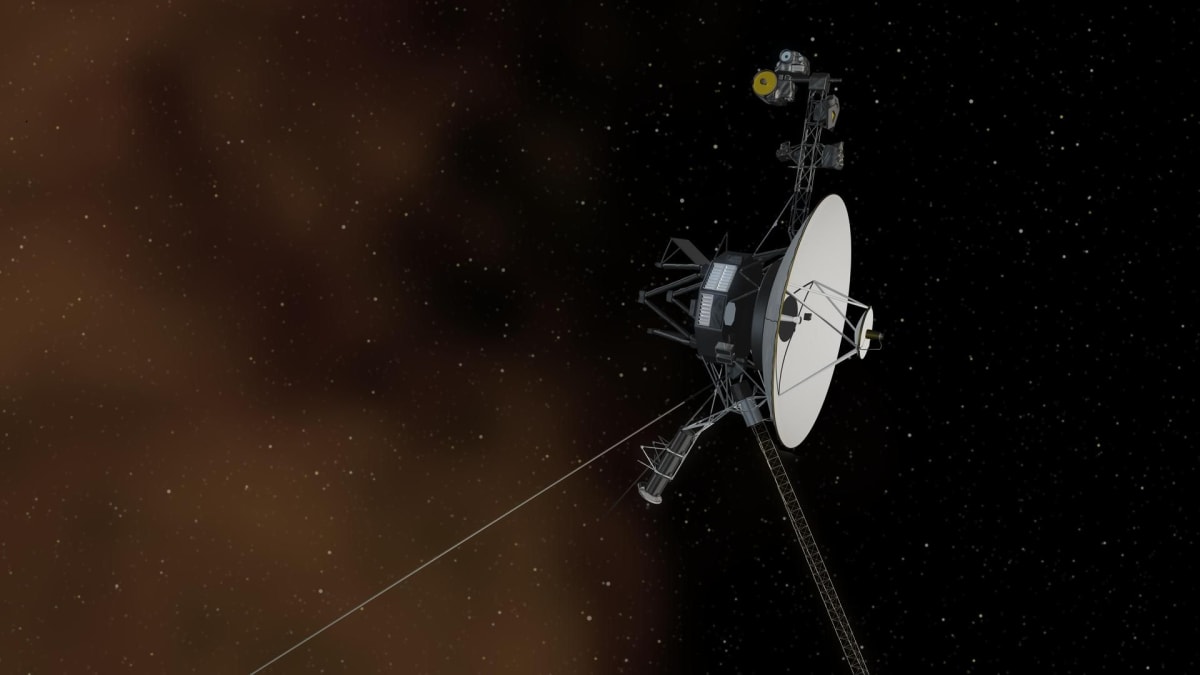
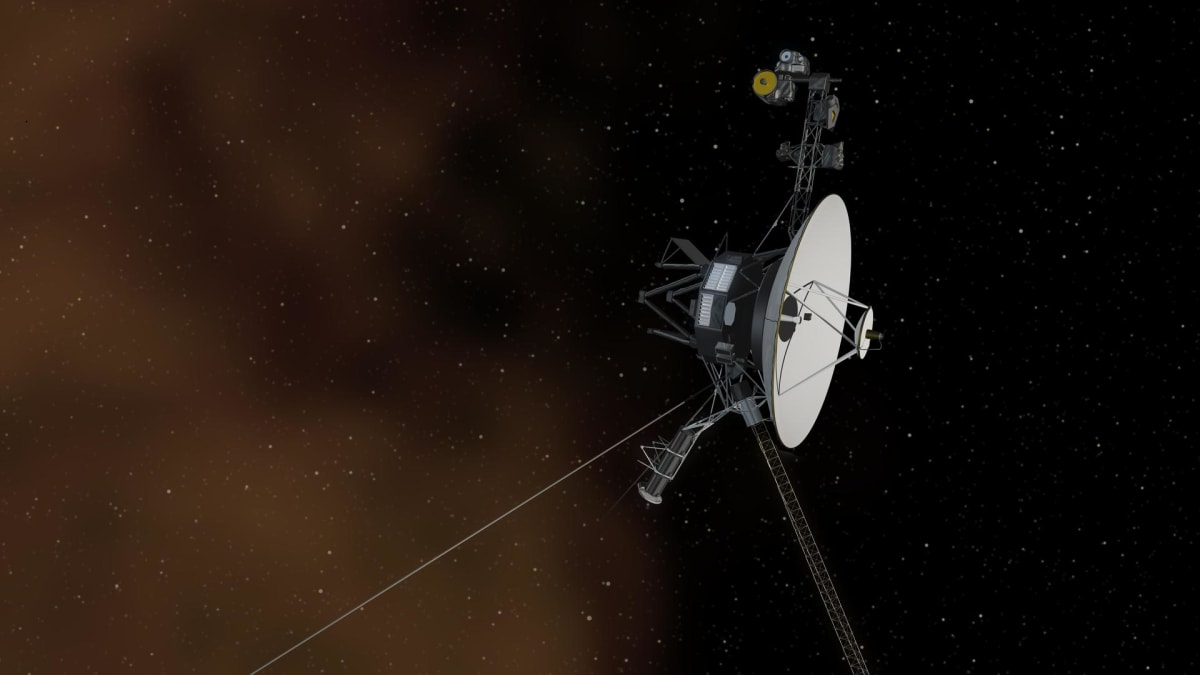
NASA turned off one of Voyager 1's instruments to extend the 48-year-old spacecraft's mission exploring beyond our solar system. The probe, now 15 billion miles from Earth, continues sending back data no other spacecraft can collect.
Nearly five decades after leaving Earth, humanity's farthest messenger just got a power-saving upgrade to keep its cosmic journey alive.
NASA engineers shut down Voyager 1's Low-energy Charged Particles experiment on April 17, giving the historic spacecraft more years to explore interstellar space. The decision wasn't made lightly, but it buys precious time for a probe that's already exceeded every expectation.
Launched in 1977, Voyager 1 left our solar system in 2012 and currently travels over 15 billion miles from home. That makes it the most distant human-made object ever created, sailing through a region of space no other spacecraft has reached.
The probe and its twin, Voyager 2, are the only machines sending back data from interstellar space. Every measurement they take reveals secrets about the cosmic ocean beyond our sun's influence, information we simply can't get anywhere else.
Both spacecraft launched with 10 scientific instruments powered by nuclear batteries that naturally lose strength over time. NASA engineers planned years ago which instruments to shut down first, ensuring the most critical ones stay online as long as possible.
Voyager 2's identical particle experiment was turned off in March 2025. Only three instruments now remain active on each spacecraft, carefully chosen to maximize the science they can still accomplish.
Why This Inspires
The Voyager mission shows how far-thinking planning pays off. Engineers in the 1970s built these spacecraft so well that they're still working almost half a century later, billions of miles beyond their original destinations.
Every year the Voyagers keep transmitting is a gift. These nuclear-powered explorers are teaching us about a frontier we won't reach again for decades, maybe longer.
The team's careful decisions about when to power down each instrument reflect deep respect for the mission's legacy. They're not just managing equipment but stewarding humanity's first steps into the galaxy beyond our solar neighborhood.
By making tough choices now, NASA ensures Voyager 1 can keep exploring until at least the 2030s. That's six decades of service from technology designed when disco ruled the radio and personal computers didn't exist.
The two Voyager probes carry golden records with sounds and images from Earth, meant for any intelligence that might find them millions of years from now. But their real message is already clear: humanity builds things that last, dreams that endure, and reaches for stars we may never touch ourselves.
More Images

Based on reporting by Space.com
This story was written by BrightWire based on verified news reports.
Spread the positivity!
Share this good news with someone who needs it