VR Opens China's Ancient Caves to Millions Safely
China's 1,500-year-old Mogao Grottoes are too fragile for mass tourism, but virtual reality is letting visitors experience closed caves while protecting irreplaceable art. Digital exhibitions now complement physical tours, creating experiences that sometimes surpass the real thing.
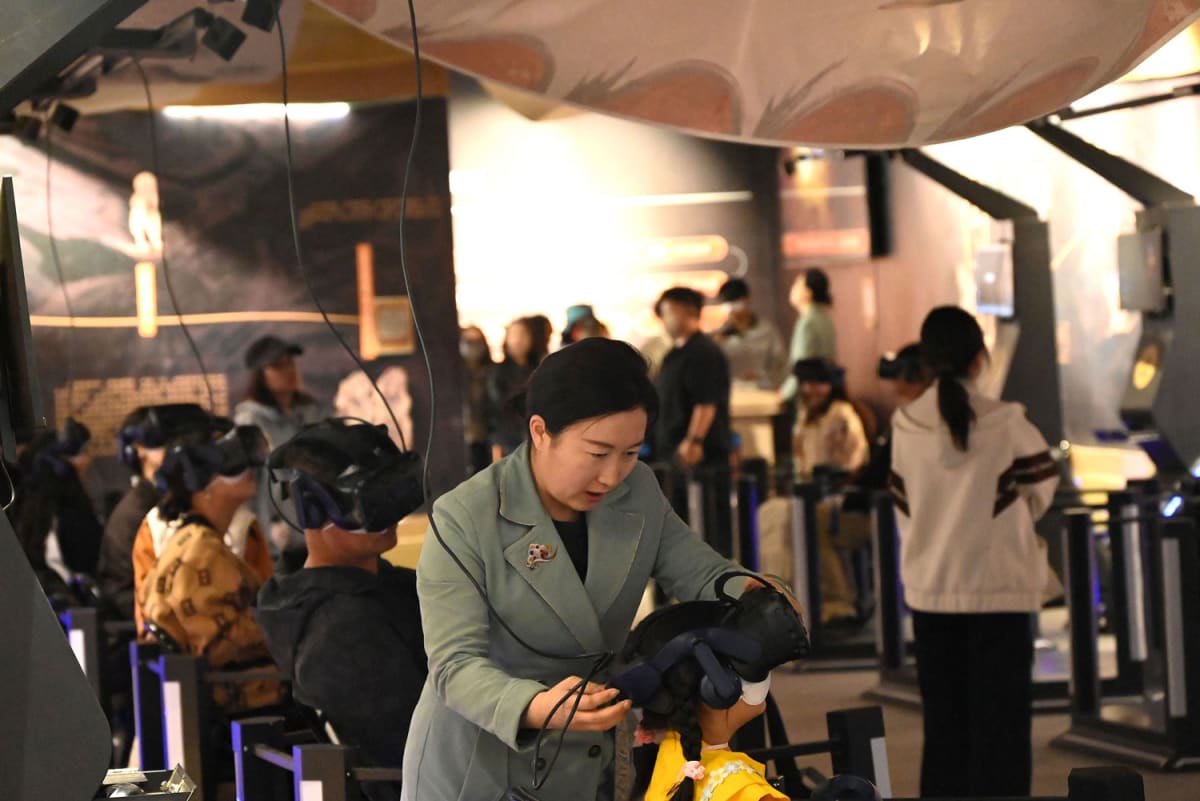
When British artist Wang visited China's ancient Mogao Grottoes with her young child, she didn't just see century-old Buddhist art. She played virtual drums alongside mythological beings inside a cave that's been closed to the public for years.
The Mogao Grottoes in Dunhuang contain 492 caves filled with Buddhist murals and sculptures spanning over 1,000 years. These UNESCO World Heritage treasures face a delicate problem: millions want to see them, but human breath and humidity are slowly destroying the fragile art.
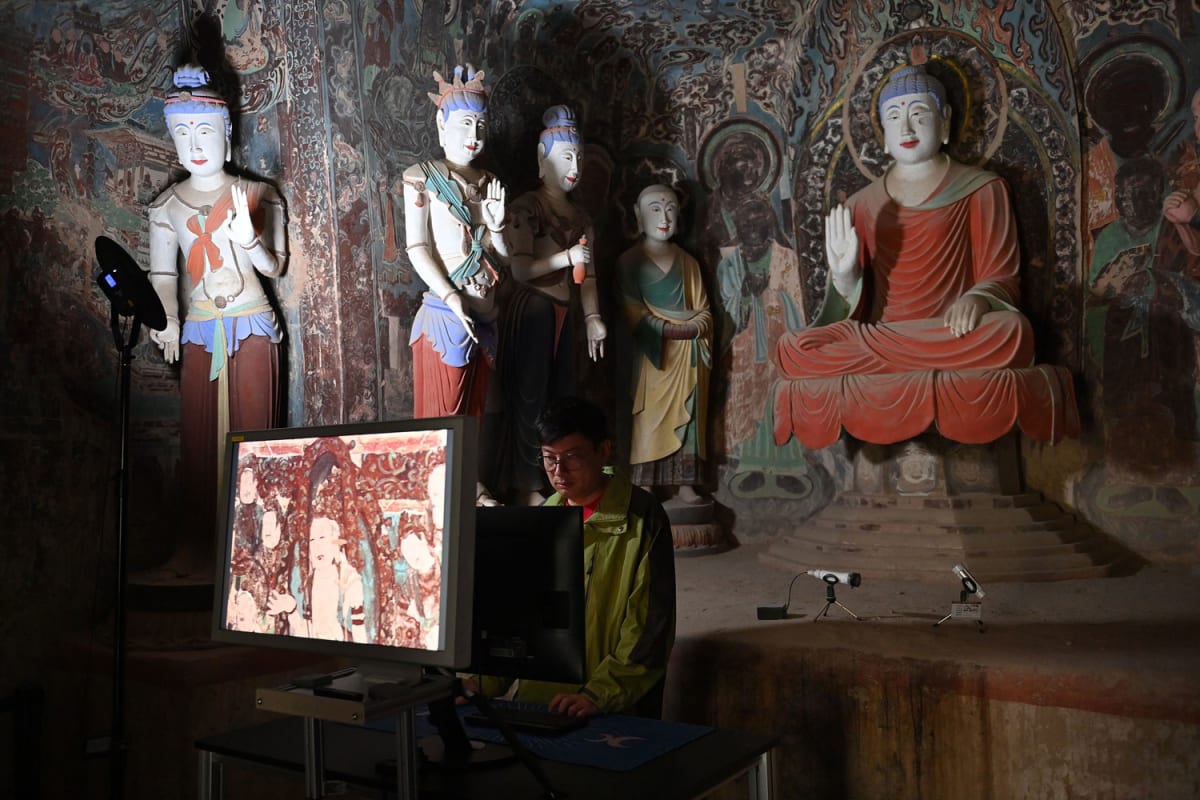
The Dunhuang Academy found an elegant solution. Since the late 1980s, they've been creating digital versions of the caves through photography, laser scanning, and virtual reality.
Now visitors start their journey at a modern Digital Exhibition Center shaped like desert dunes. They watch immersive dome theater films before shuttle buses take them to see select physical caves. More than 200 caves have been digitally documented, letting people experience spaces too fragile to open.
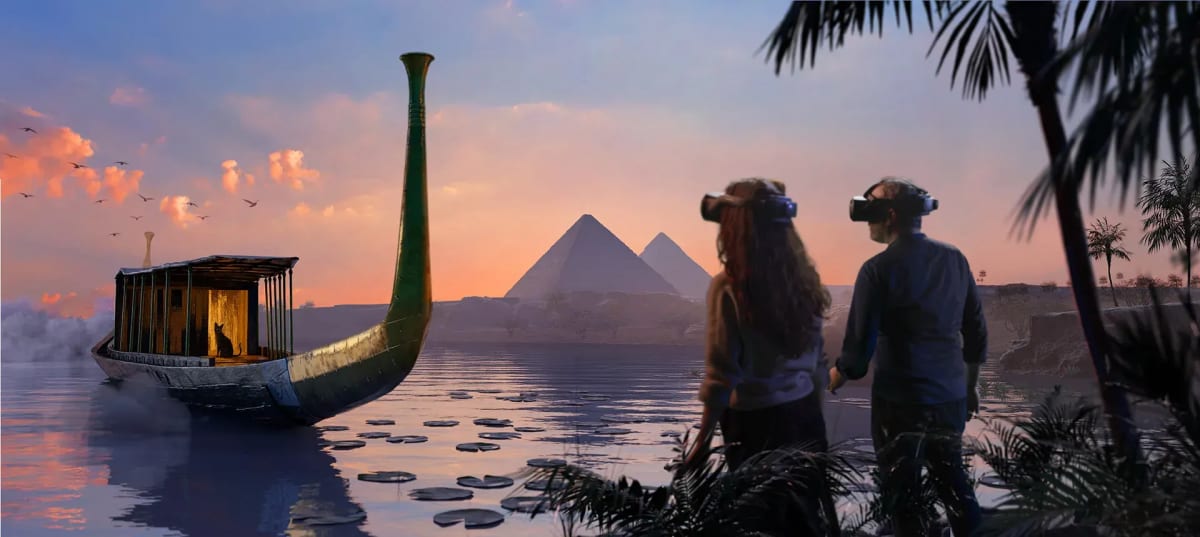
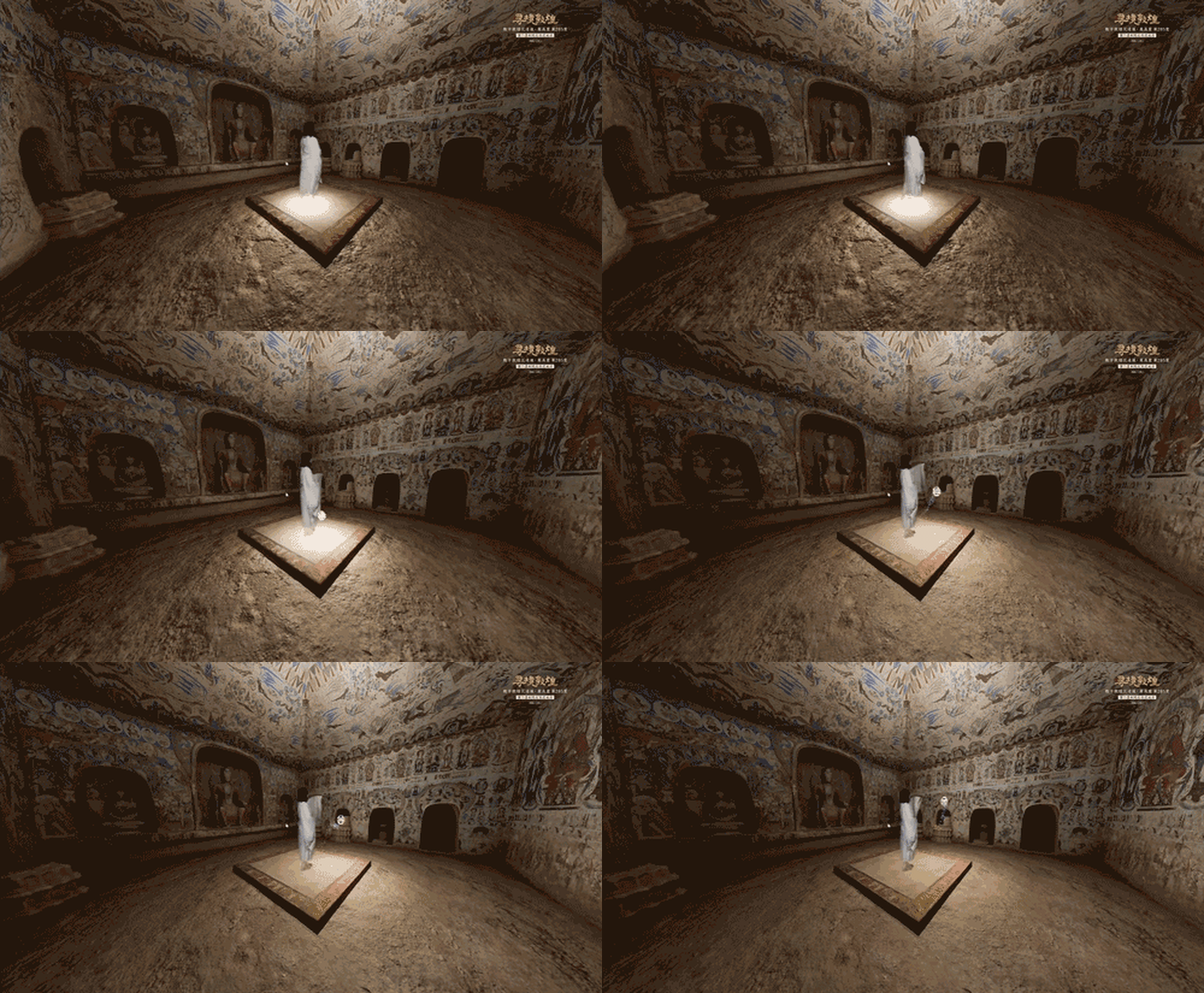
Cave 285, built in 538 AD, showcases how technology can expand access. Visitors strap on VR headsets and step inside the closed cave, examining intricate details impossible to see in person. "It even surpasses the real cave," Wang told researchers studying the project between 2024 and 2025.
High school teacher Zhang watched the digital presentations and called them "spectacular." His excitement reflects a broader trend: visitors discovering that physical and digital experiences complement rather than compete with each other.
One British visitor loved the distinctive smell inside the real caves, a mixture of dust and history that technology can't capture. Her partner felt differently, comparing it to France's Lascaux Cave, where replicas protect the original while letting visitors experience the art.
Why This Inspires
The Dunhuang project proves preservation and access don't have to conflict. By embracing technology, China is protecting irreplaceable cultural treasures while making them available to more people than ever before.
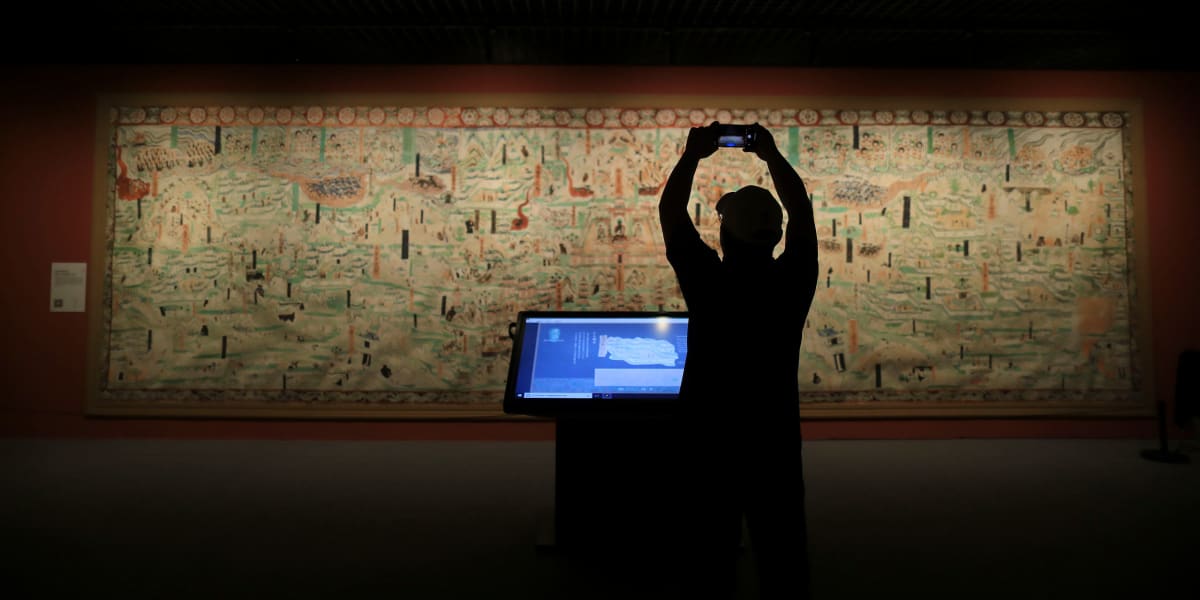
Cave 61 contains the largest surviving Buddhist landscape painting at Mogao, depicting pilgrimage routes across 2,000 kilometers. Visitors can now study details in the digital version before seeing the physical mural, creating a richer understanding of both.
"I know Cave 285 is not open to the public, so I am very grateful for the opportunity to see it up close," one moved visitor said. Some reported being so touched by the VR experience they nearly cried.
The technology creates new possibilities too. Virtual visitors can zoom into paintings, play interactive games explaining the art's stories, and explore caves from angles impossible in person. Children engage with ancient history through playful, multisensory experiences.
Other Chinese heritage sites are now following Dunhuang's lead, using digital technology to balance preservation with public access. The approach offers a template for protecting fragile cultural sites worldwide while ensuring future generations can experience humanity's shared heritage.
More Images

Based on reporting by Sixth Tone
This story was written by BrightWire based on verified news reports.
Spread the positivity!
Share this good news with someone who needs it