Wake Atoll Beats Invasive Rats, Seabirds Surge Back
A tiny Pacific island once overrun by invasive rats is now witnessing an explosion of native wildlife after a successful eradication project. Sixteen seabird species are nesting again, and even military personnel stationed there are inspired to join conservation efforts.
Eighty-one years after World War II's Battle of Wake Island, conservationists just won another fight on the same tiny Pacific atoll, and this time, the victory belongs to the birds.
Wake Atoll, a remote U.S. territory, is experiencing an ecological comeback after invasive rats were successfully eradicated from the island. The rodents had spent decades devouring seabird eggs, decimating native wildlife, and threatening the health and safety of military personnel stationed there.
Island Conservation, the USDA, and the U.S. Air Force Civil Engineering Squadron teamed up to tackle the problem. Their multi-year effort has paid off in ways that even surprised the experts.
"We're astonished and thrilled at the results of this work," said Tommy Hall, Project Manager at Island Conservation. The project recently earned recognition from the U.S. Undersecretary of Agriculture for its remarkable success.
Sixteen species of native seabirds are now nesting on Wake again, with populations growing rapidly. A Bonin Petrel colony appeared for the first time in recorded history, while the atoll's globally important Sooty Tern population just had a record-breaking breeding season.
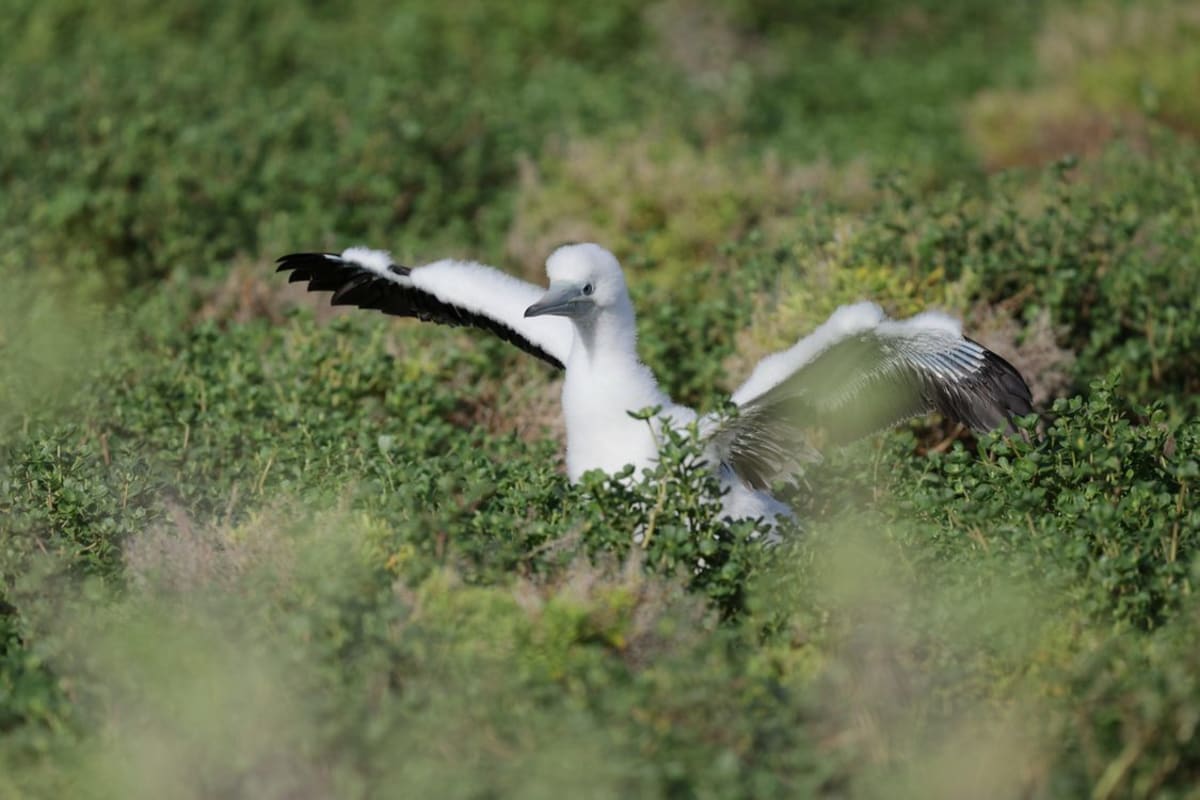
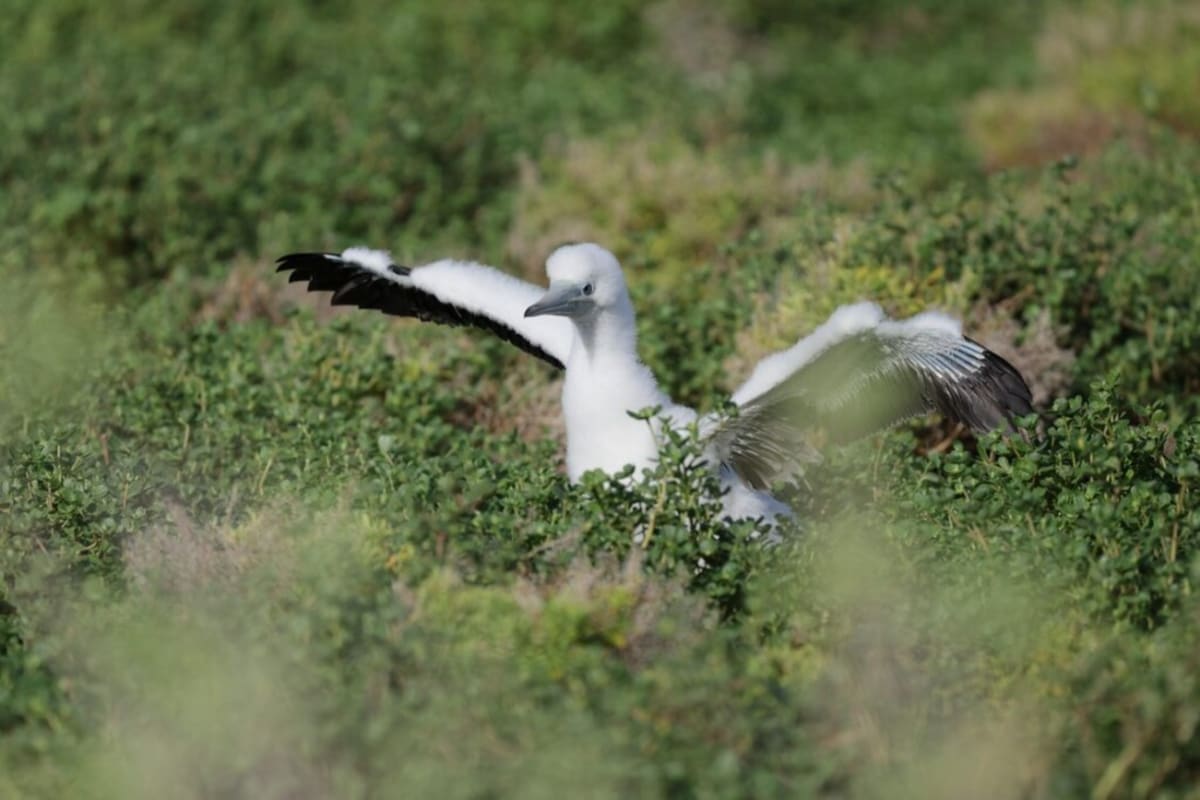
Laysan albatross, red-footed boobies, and red-tailed tropicbirds are all showing early signs of increased nesting and better reproductive success. But the wins go far beyond birds.
The Ripple Effect
The entire ecosystem is bouncing back. Populations of geckos, skinks, spiders, moths, and hermit crabs have surged across the island.
The island's native Pisonia trees are experiencing a renaissance too. Ornithologist John Gilardi had never seen a Pisonia seedling before the rats were removed. Now thousands of saplings are sprouting where none existed before.
The roughly 100 military personnel stationed on Wake are benefiting too. Without rats, disease transmission risks have dropped, and critical infrastructure like food prep facilities, equipment storage, and living quarters are cleaner and safer.
The island's transformation has inspired service members to organize beach cleanups and other conservation activities in their spare time. They're witnessing firsthand how nature can heal when given a chance.
Island Conservation has now successfully removed invasive species from 70 islands worldwide, helping hundreds of native species survive in the only places they call home. Wake Atoll proves that even ecosystems pushed to the brink can recover remarkably fast with the right intervention.
More Images
Based on reporting by Good News Network
This story was written by BrightWire based on verified news reports.
Spread the positivity!
Share this good news with someone who needs it