Wales Seed Collectors Save 160 Species From Extinction
Two conservationists are racing across Wales with cotton bags, collecting seeds from rare plants before they disappear forever. Their freezer-stored "genetic library" has already brought extinct species back to life.
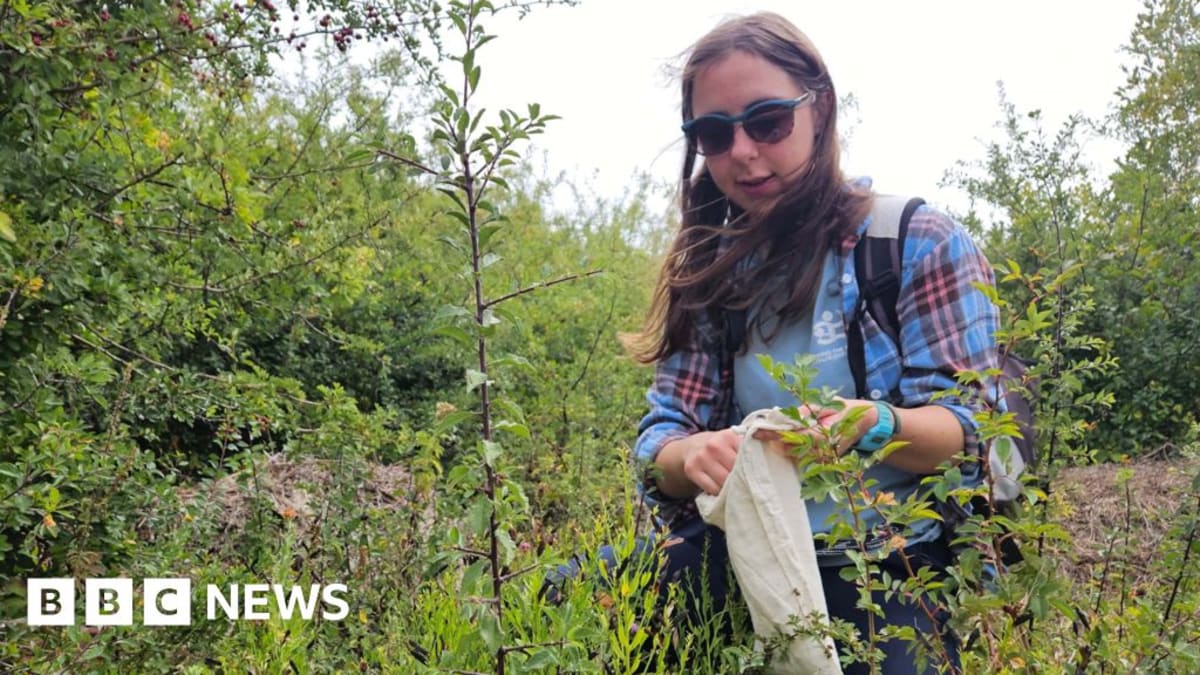
Ellyn Baker and Kevin McGinn spend their summers chasing a tiny window of opportunity that could save Wales from ecological disaster.
The duo work at Wales' National Botanical Gardens, carefully timing visits to wild plants across the country to collect seeds at the exact moment they're ready. Miss that window, which can be just days long, and some species won't produce seeds again for years.
Their work isn't about some distant apocalypse. It's already saving species that have vanished.
Wales is home to about 60 plant species found nowhere else on Earth. If they disappear here, they're gone forever. One in six Welsh plants faces extinction, and the consequences reach far beyond the garden.
Kevin, who helped establish the seed bank in 2018, says people suffer from "plant blindness." We overlook how plants support everything from pollinator populations to crop yields and flood control.
When Shore Dock, one of the world's rarest dock species, went extinct at a site in Southerndown after a landslide, Ellyn and Kevin had already collected its seeds. They restored the species using their frozen collection.
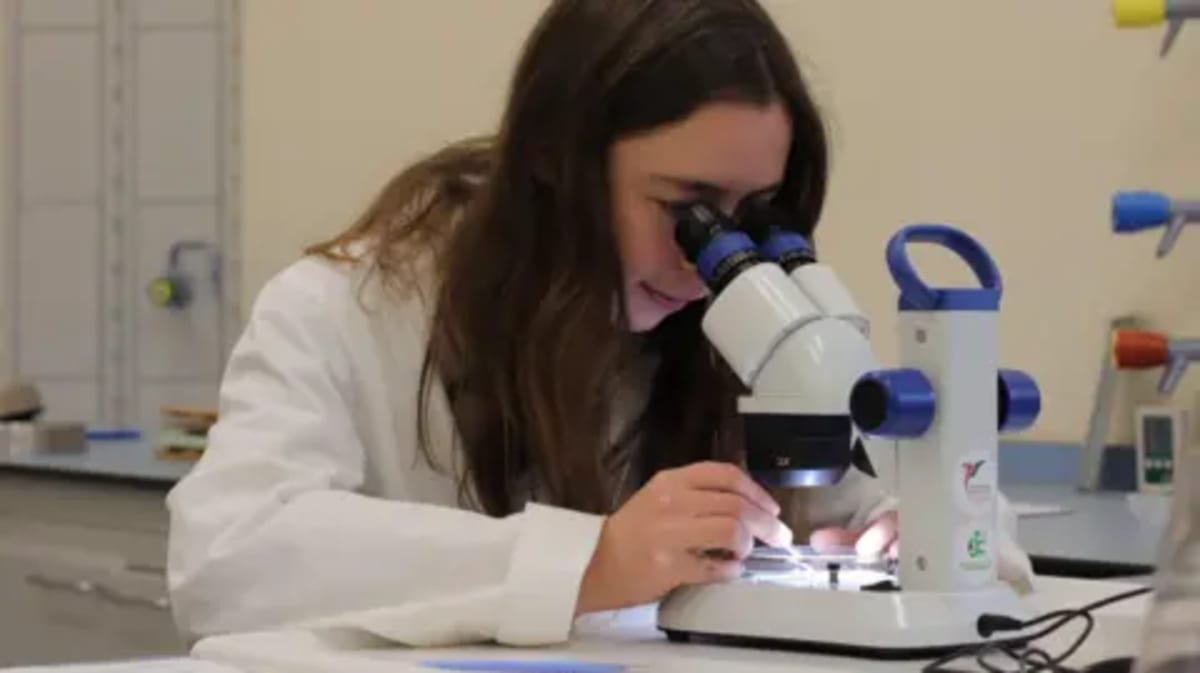
The team stores seeds in silver packets inside humming freezers, creating backups of 160 species so far. Their goal is to bank all 15,000 Welsh species, but with climate change making weather more extreme, time is running short.
The Ripple Effect
The seed bank protects more than just plants. Many wild species, like sea radish and sea cabbage, carry genes that help them resist pests and diseases. These genetic traits, lost in agricultural breeding, could prove vital for future food security.
When plants vanish, insects that depend on them disappear too. Fewer pollinators means lower crop yields, affecting local food production and economies. Plant diversity also maintains soil health, essential for farmland and flood prevention.
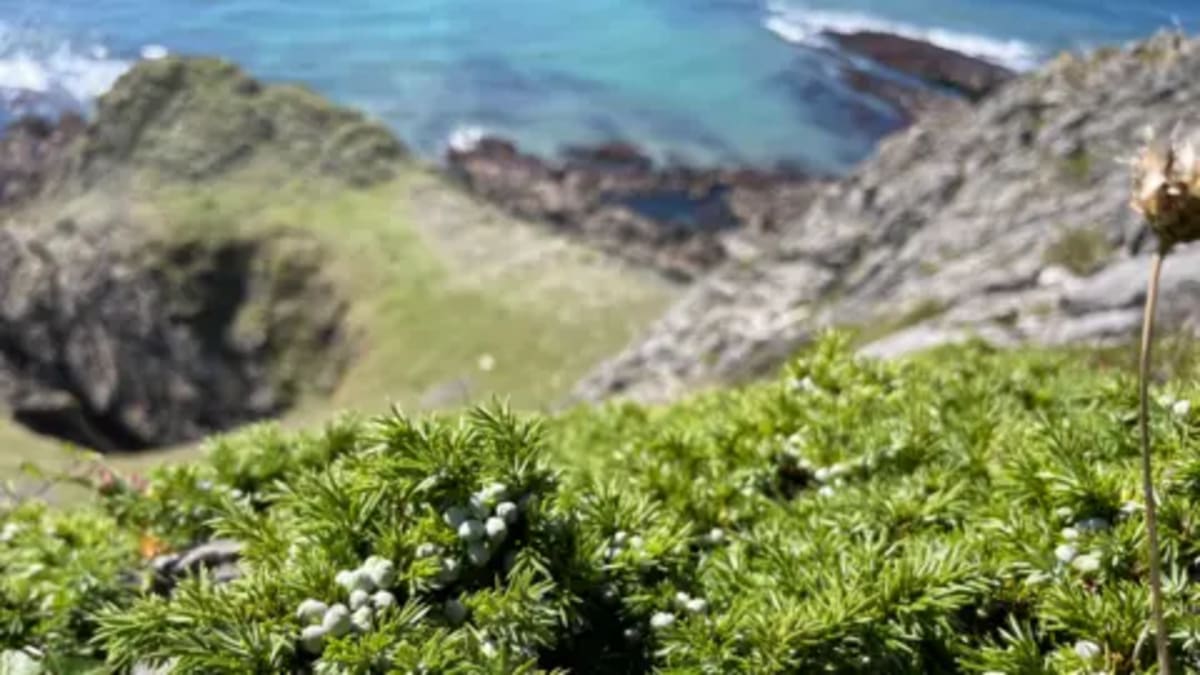
Finding rare plants requires help from passionate botanists across Wales who report sightings. Then comes the challenge of timing. Juniper has eluded the team for three years running because only some shrubs produce seeds, and those take three years to ripen.
The pair needs about 10,000 seeds per collection to ensure genetic diversity. They must wait until seeds naturally fall from plants, but return too late and animals have eaten them or wind has scattered them.
Both Ellyn, 25, and Kevin, 38, dreamed of conservation work as children. Neither imagined they'd become the frontline defense against plant extinction in Wales, racing across the country with cotton bags to preserve the future.
More Images

Based on reporting by Google News - Species Saved
This story was written by BrightWire based on verified news reports.
Spread the positivity!
Share this good news with someone who needs it