Wales Unearths Largest Roman Villa in Pristine Condition
Ground-penetrating radar has revealed a massive 1,500-year-old Roman villa buried beneath a Welsh park, rewriting what historians thought they knew about ancient Wales. The discovery challenges the long-held belief that Roman Wales was just a militarized frontier.
Archaeologists just discovered Wales's largest Roman villa hiding in plain sight beneath a peaceful park, and it's so well preserved they're calling it a local Pompeii.
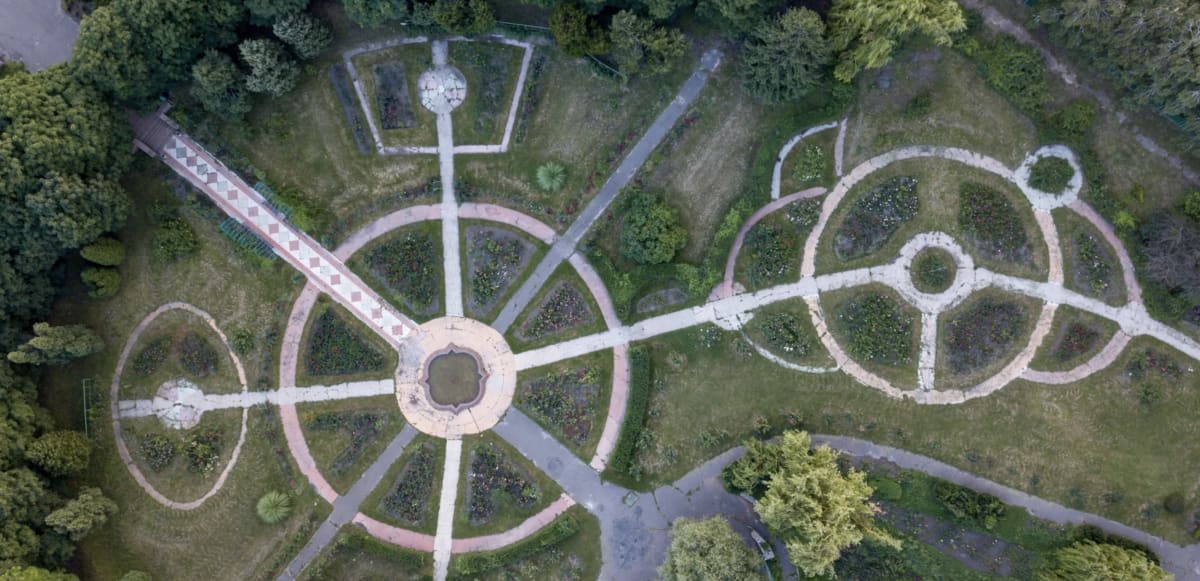
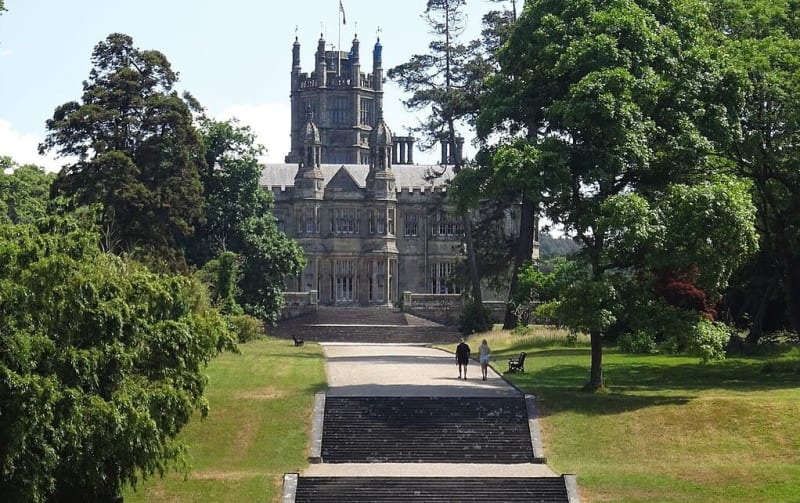
The stunning find came from beneath Margam Country Park near Port Talbot, where ground-penetrating radar revealed walls and rooms that have stayed hidden for more than 1,500 years. Dr. Alex Langlands, who led the project, said his eyes nearly popped out of his skull when he saw the scans.
The villa measures about 572 square meters, making it the biggest standalone Roman estate ever found in Wales. The scans show a grand corridor villa with wings, multiple rooms, and a veranda, all sitting inside a defensive enclosure measuring roughly 43 by 55 meters.
What makes this discovery truly special is what it reveals about Roman life in Wales. For decades, historians believed Roman Wales was mainly a military zone filled with forts and marching camps. This luxurious rural estate tells a completely different story.
"Until now, Wales in the Romano-British period has, for the most part, been about legionary forts," Langlands told reporters. "It suddenly feels like we were less out on some windswept frontier."
The Ripple Effect
The villa's grand design resembles high-status homes in prosperous Roman heartlands like Gloucestershire and Somerset, suggesting that fourth-century Wales wasn't a rough frontier but a thriving agricultural center. Large estates like this one controlled grain, livestock, and labor, supporting both local elites and the wider Roman economy.
The site survived in remarkable condition because the land above it has been a deer park for centuries, possibly dating back to Roman times. Without intensive plowing, the buried walls and floor surfaces stayed intact, creating what Christian Bird of TerraDat called "remarkably clear" images showing the villa structure in 3D.
The discovery also opens new questions about local power structures in ancient Britain. Langlands suggested that Margam may have been a major regional power center, potentially reshaping how historians understand political life in Roman Wales.
Archaeologists are keeping the exact location secret to protect it from illegal metal detecting. The focus now turns to conservation, followed by more detailed surveys and eventual excavation that could reveal mosaics, pottery, and other artifacts frozen in time.
Every new scan brings Wales closer to reclaiming a hidden chapter of its past that's anything but militaristic and harsh.
More Images
Based on reporting by Google: archaeological discovery
This story was written by BrightWire based on verified news reports.
Spread the positivity!
Share this good news with someone who needs it