Webb Telescope Finds Ancient Stars That Built Our Galaxy
Scientists using the James Webb Space Telescope discovered a "bulge fossil fragment" that reveals how the Milky Way formed billions of years ago. The finding offers the clearest look yet at the building blocks that created our galaxy's center.
Scientists just found a cosmic time capsule that shows how our galaxy came to be.
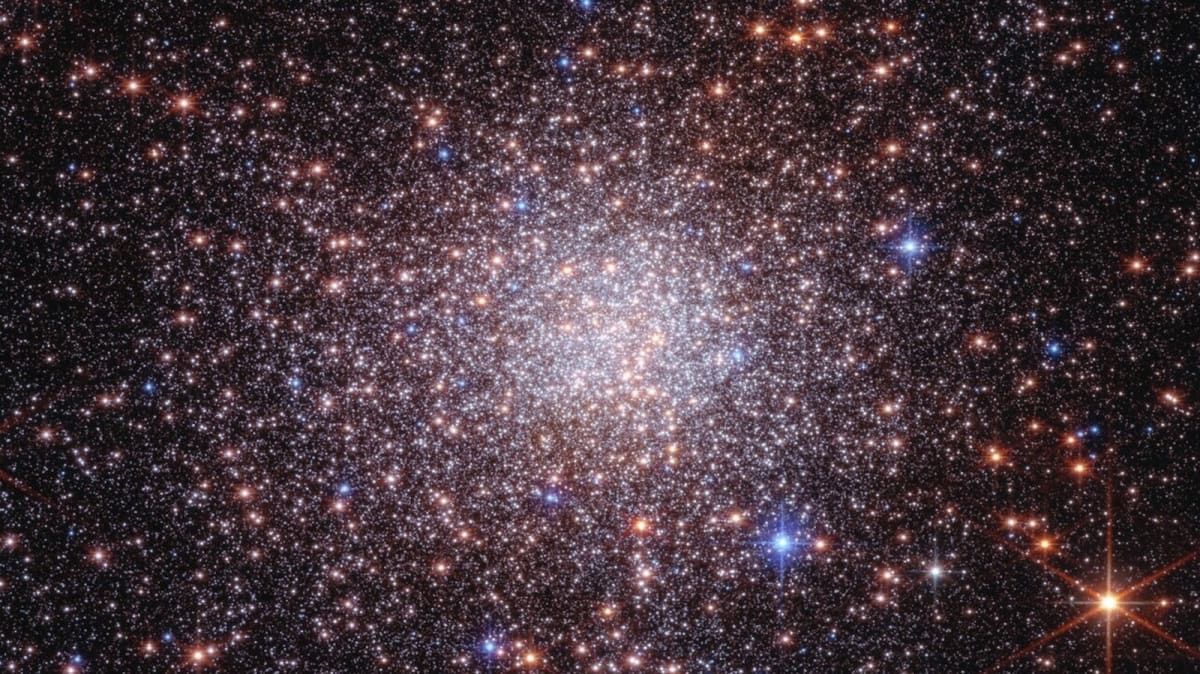
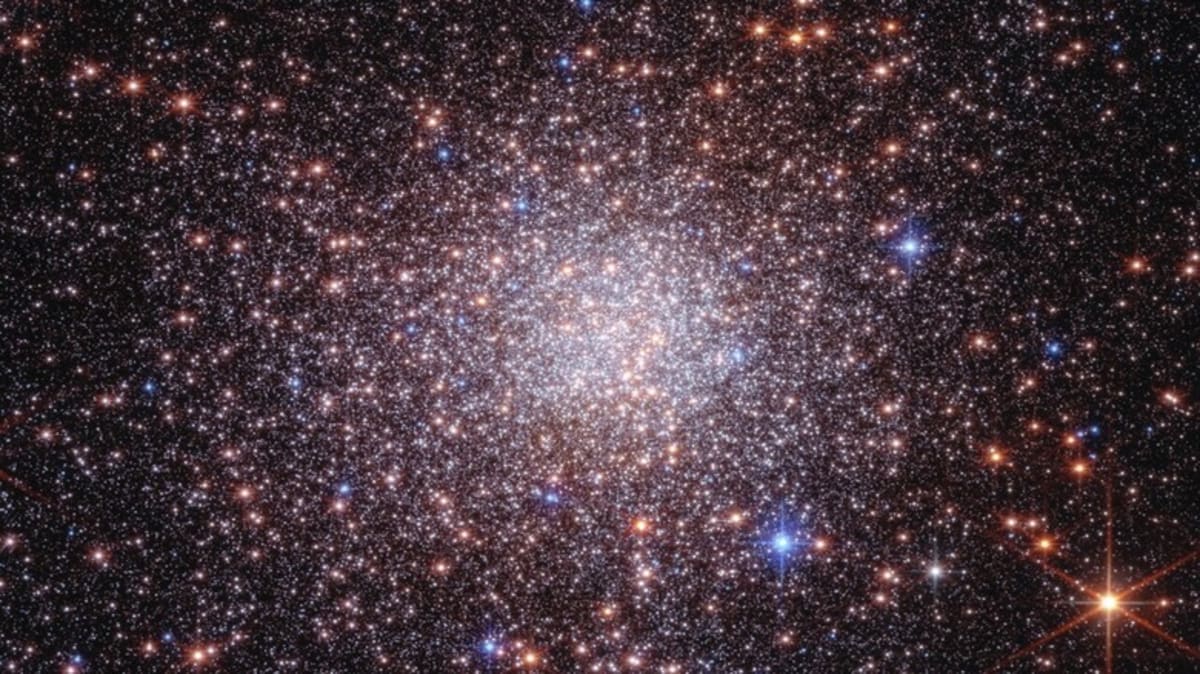
Using the James Webb Space Telescope, astronomers confirmed the existence of something called a "bulge fossil fragment" for the first time. This discovery helps explain how the Milky Way's center formed over billions of years.
The star cluster, named Terzan 5, sits in the dense, dusty heart of our galaxy. For years, astronomers thought it was just another old globular cluster with stars from a single era.
Webb's powerful instruments revealed something far more exciting. Terzan 5 actually contains four distinct generations of stars born at different times across billions of years.
The oldest stars in the cluster formed 12.5 billion years ago, when the universe was still young. The youngest batch appeared "only" 2.5 billion years ago, with two other generations in between.
"For some reason, this peculiar clump of stars formed separately from the bulge and was not destroyed as the bulge itself formed," said Francesco Ferraro, lead researcher from the University of Bologna. The cluster survived intact while the rest of the galaxy's center took shape around it.
Think of it like finding an original brick from a building that's been renovated many times. Terzan 5 is one of the original pieces that built our galaxy.
The discovery supports a theory about how early galaxies formed. Scientists believe young galaxies had massive discs of gas that broke into chunks, each forming stars at different times.
These chunks gradually migrated toward the galaxy's center, merging together to create the bulge we see today. Most of these original building blocks got absorbed and destroyed in the process.
Terzan 5 is special because it somehow survived. It gives astronomers a rare window into what those early galaxy-building clumps looked like.
The team combined observations from both the Webb and Hubble Space Telescopes to peer through the thick dust that normally blocks our view of the galactic center. Webb's infrared vision was crucial for seeing through the haze.
Why This Inspires
This discovery reminds us that even in our own cosmic backyard, there are still ancient secrets waiting to be found. Every time we point our most advanced telescopes at familiar parts of space, we learn something new about where we came from.
The James Webb Space Telescope continues to revolutionize our understanding of the universe, revealing details that were invisible just a few years ago. What other cosmic fossils might be hiding in plain sight?
Understanding our galaxy's formation helps us grasp our place in the cosmos and appreciate the billions of years of cosmic history that led to our existence today.
More Images


Based on reporting by Engadget
This story was written by BrightWire based on verified news reports.
Spread the positivity!
Share this good news with someone who needs it