Mars Rover Finds Valley-Sized Honeycomb Mystery
NASA's Curiosity rover discovered an entire valley floor covered in honeycomb-shaped cracks that extend as far as its cameras can see. After 14 years exploring Mars, scientists have never seen anything like it, and the answer to how it formed could reveal whether this valley once supported life. #
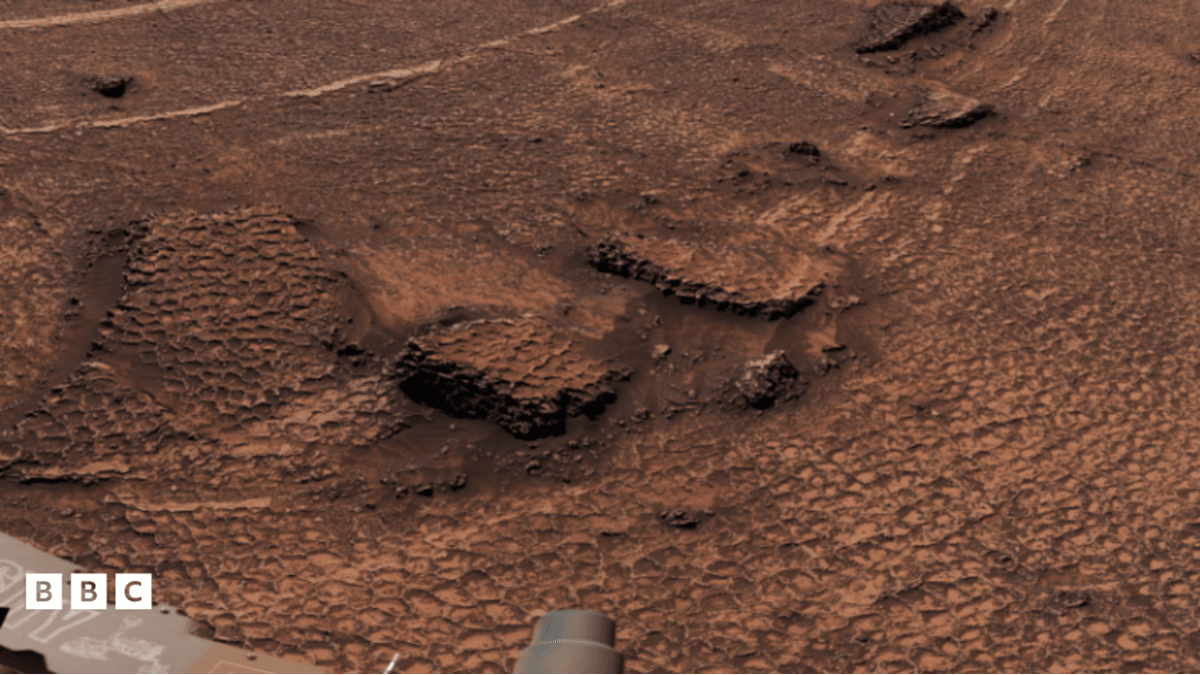
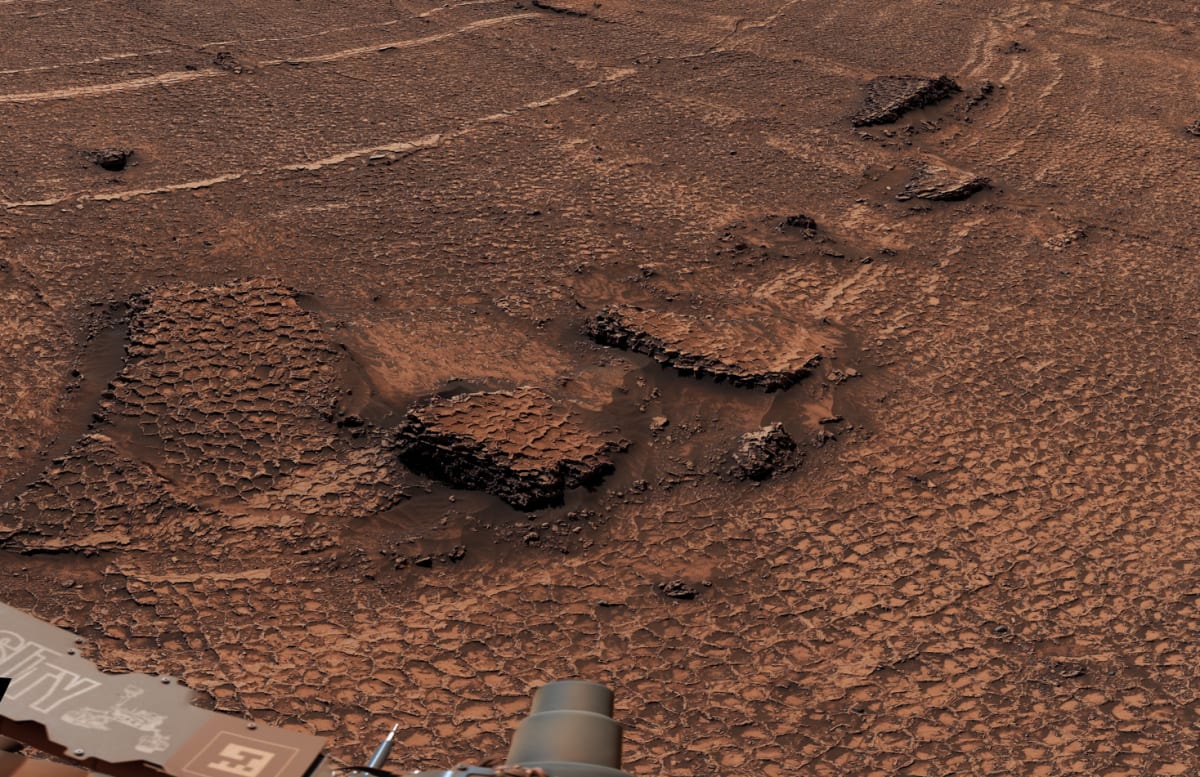
After 14 years exploring Mars, NASA's Curiosity rover just rolled into something that stopped scientists in their tracks: an entire valley tiled edge to edge in perfect honeycomb patterns.
The discovery happened in June when Curiosity entered a valley nicknamed "Valle Grande" during its ongoing climb up Mount Sharp. The rover's cameras captured fractures spreading in every direction, covering not just flat ground but wrapping around rocks and climbing the sides of a 20-foot-tall stone butte.
"We've seen a lot of fascinating landscapes through Curiosity's eyes, but this sea of polygons took our breath away," said Ashwin Vasavada, Curiosity's project scientist at NASA's Jet Propulsion Laboratory. The team had spotted small polygon patches before, but nothing remotely this massive or uniform.
Here's why it matters: scientists have three competing theories for how these patterns form, and each one tells a completely different story about Mars's past. If the cracks formed from mud drying after surface water evaporated, this valley might have been a place where microbial life could have existed billions of years ago.
But the patterns could also have formed from temperature swings cracking the ground without any water present. Or they might have been squeezed into existence by pressure from rock layers that once buried the valley deep underground.
The team is now using Curiosity's instruments to test the chemistry inside the cracks. Surface water leaves behind telltale salt deposits. Burial pressure fills cracks with minerals from deep groundwater. Temperature-driven cracks show no special chemical signature at all.
Each polygon measures roughly 1.5 to 3 inches across, and they blanket every surface the rover can see. The fact that they wrap uniformly around vertical rock faces suggests the fracturing process affected the entire area at once, rather than just exposed mud surfaces.
Why This Inspires
This discovery reminds us that Mars still holds surprises after more than a decade of continuous exploration. Every new valley Curiosity enters could rewrite what we know about water, climate, and the possibility of ancient life on our neighboring planet.
The rover's instruments are gathering data right now that will solve this geometric mystery. Within months, scientists expect to announce which mechanism created Valle Grande's honeycomb floor, adding another chapter to the story of Mars's watery past.
Fourteen years into its mission, Curiosity is still making scientists hold their breath.
#
More Images



Based on reporting by Google: Mars rover discovery
This story was written by BrightWire based on verified news reports.
Spread the positivity!
Share this good news with someone who needs it