Webb Telescope Finds Most Distant Dormant Black Hole Ever
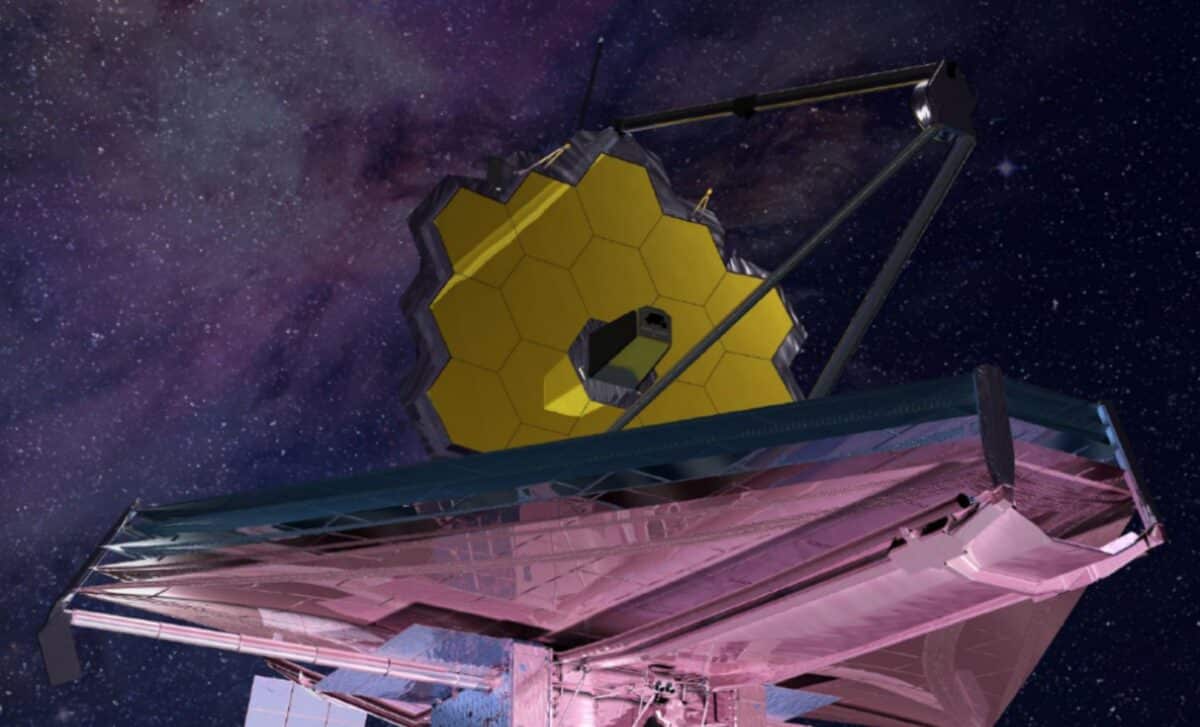
The James Webb Space Telescope has detected a dormant supermassive black hole farther away than any other sleeping giant ever found. This discovery gives scientists an unprecedented look at the early universe and how black holes formed billions of years ago. #
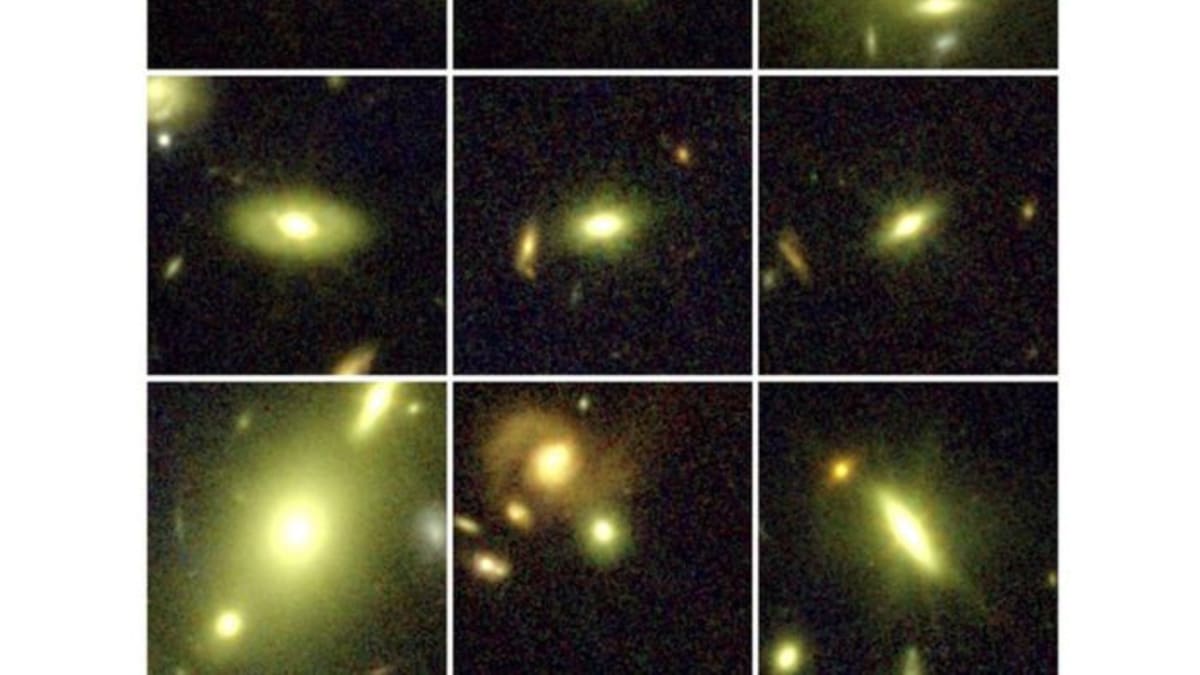
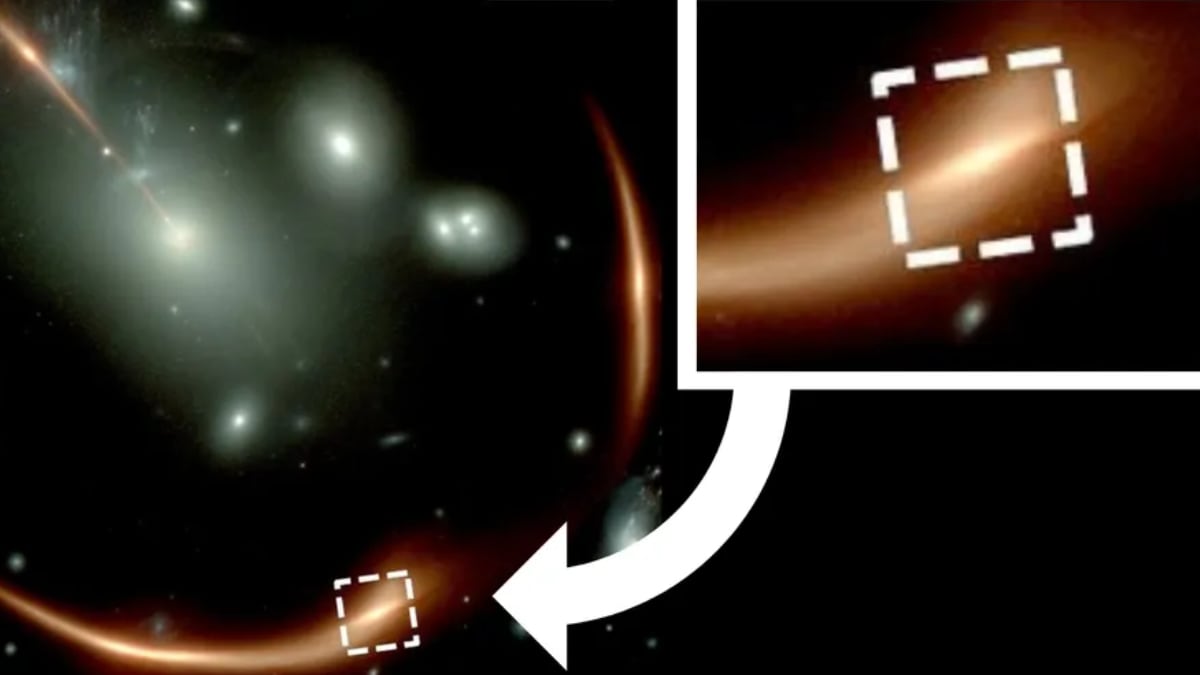
The James Webb Space Telescope just spotted something no human has ever seen before: a dormant supermassive black hole lurking in the distant universe, farther away than any sleeping black hole ever detected.
The discovery pushes our understanding of the early cosmos into exciting new territory. Scientists found this ancient giant using Webb's infrared instruments, which can peer through cosmic dust to reveal objects from billions of years ago.
Unlike active black holes that devour nearby matter and blast out bright energy, this one sits quietly in space. It's not feeding on surrounding gas and stars, making it incredibly difficult to spot even with the most powerful telescopes ever built.
The black hole's extreme distance means we're seeing it as it existed when the universe was still young. Light from this object has traveled for billions of years to reach us, offering a window into how these cosmic giants behaved in the early days of creation.
Finding dormant black holes is like discovering silent giants hiding in plain sight. They don't emit the telltale radiation of their active cousins, so astronomers need incredibly sensitive instruments like Webb to detect their gravitational effects on surrounding space.
This discovery adds to Webb's growing list of groundbreaking finds since it began operations. The telescope has already revealed the oldest galaxies ever observed, analyzed alien planet atmospheres in unprecedented detail, and detected complex carbon molecules called buckyballs floating in distant nebulae.
THE RIPPLE EFFECT
This find transforms how scientists study black hole evolution across cosmic time. By detecting dormant black holes at extreme distances, researchers can now build a more complete picture of how these mysterious objects grow, sleep, and wake throughout the universe's history.
The discovery also demonstrates Webb's remarkable capability to find objects that were previously invisible to astronomy. As the telescope continues its mission, it will likely uncover more dormant black holes, helping scientists understand why some stay quiet while others consume everything around them.
Each new detection brings us closer to answering fundamental questions about the universe's earliest chapters and the forces that shaped everything we see today.
#
More Images

Based on reporting by Google: James Webb telescope
This story was written by BrightWire based on verified news reports.
Spread the positivity!
Share this good news with someone who needs it