Webb Telescope Solves Ancient Galaxy Mystery
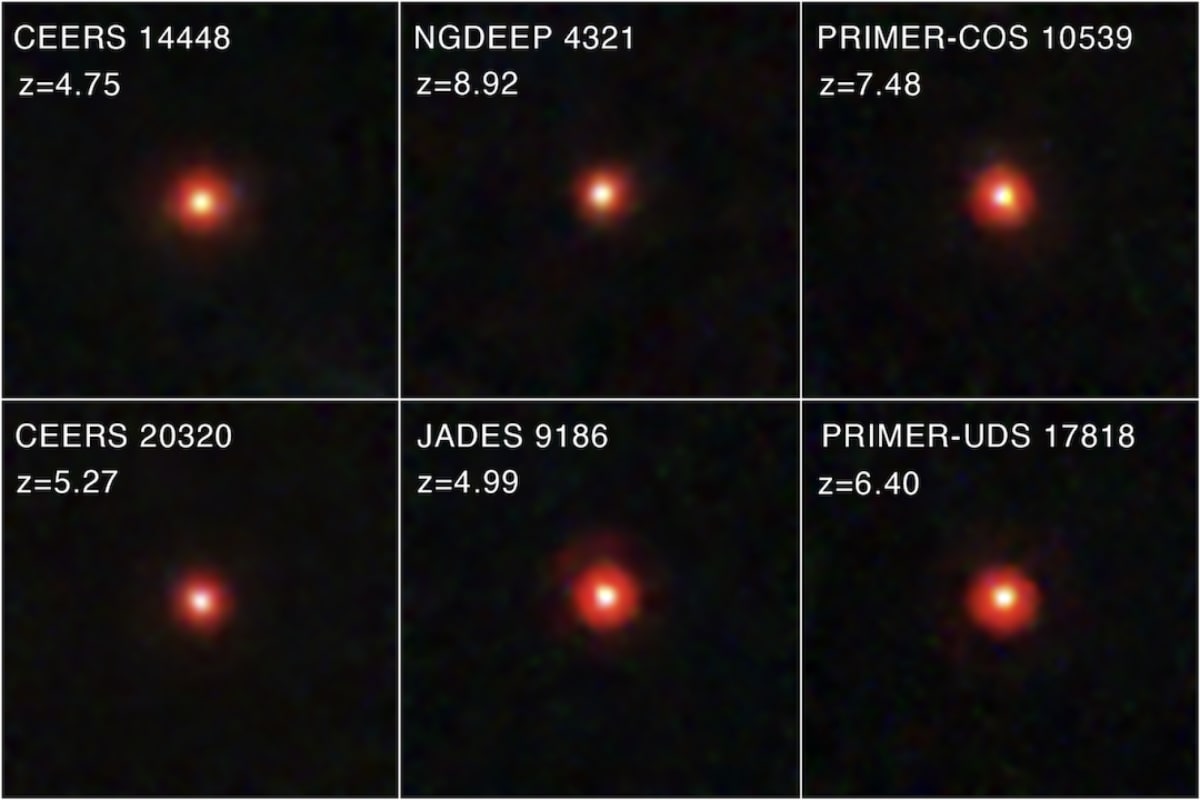
Scientists using the James Webb Space Telescope just cracked a cosmic puzzle that had astronomers scratching their heads. Those mysterious "little red dots" from the early universe aren't breaking the laws of physics after all.
When astronomers first spotted ancient galaxies glowing impossibly bright just 500 to 700 million years after the Big Bang, they had a problem. These galaxies appeared so massive that the young universe shouldn't have had enough material to create them.
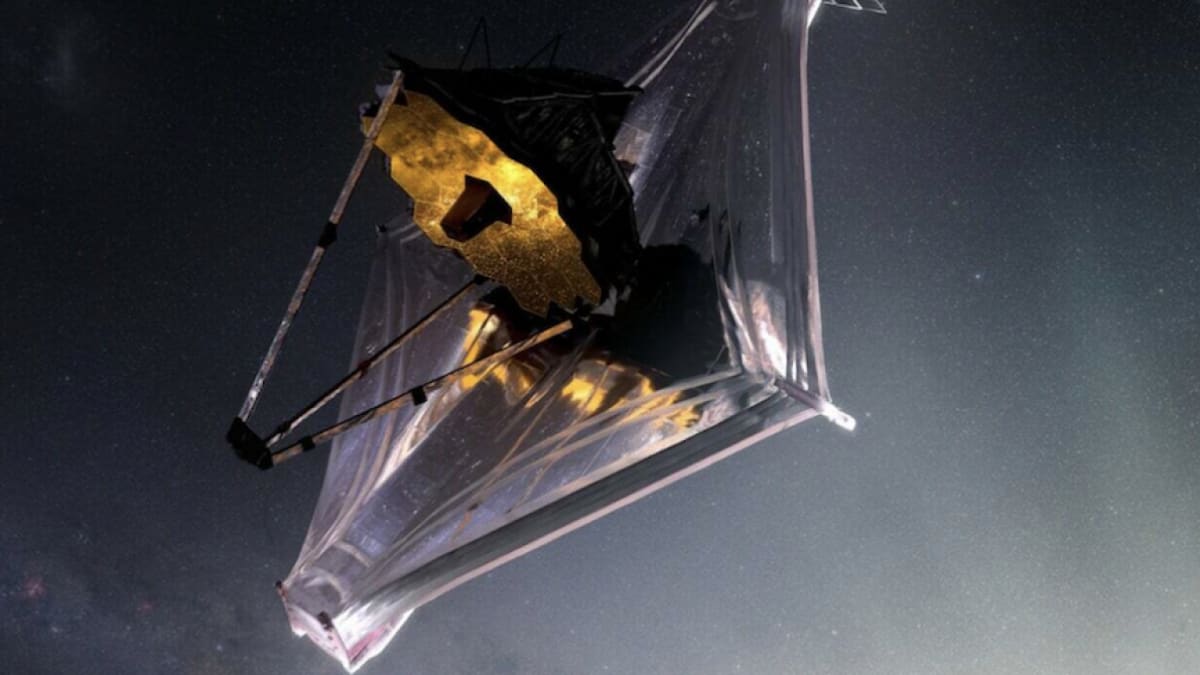
The James Webb Space Telescope, orbiting 1 million miles from Earth, has now revealed the real story behind these puzzling red dots. The intense glow isn't coming from billions of stars packed into impossibly large galaxies.
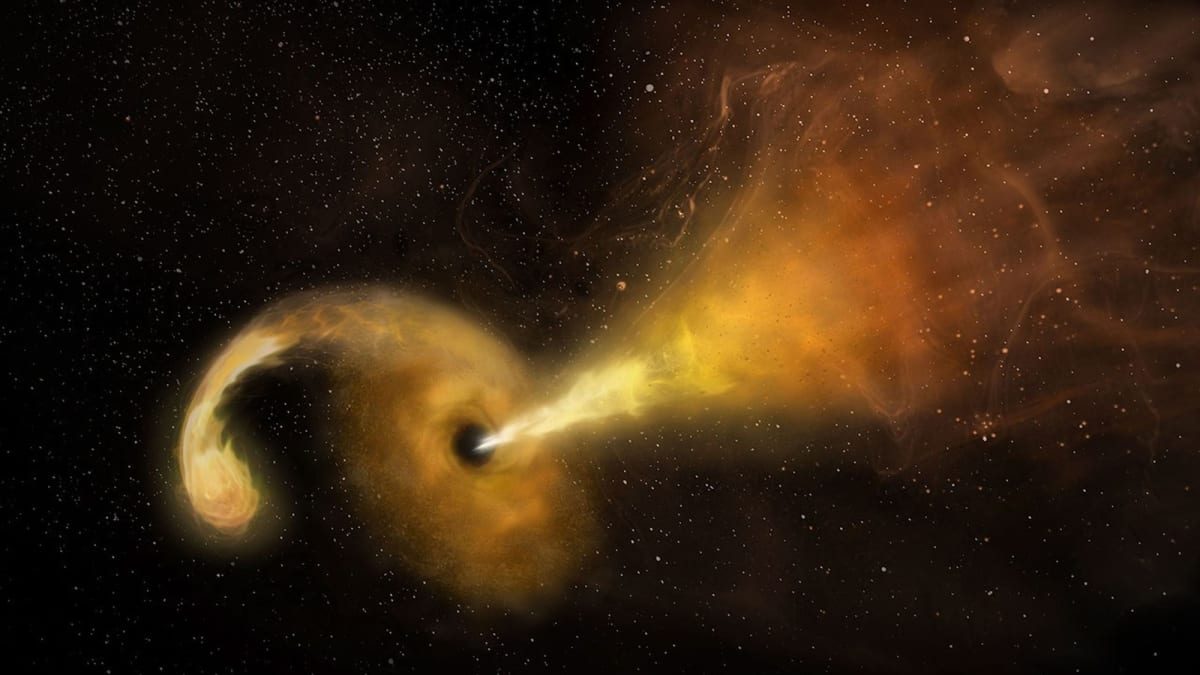
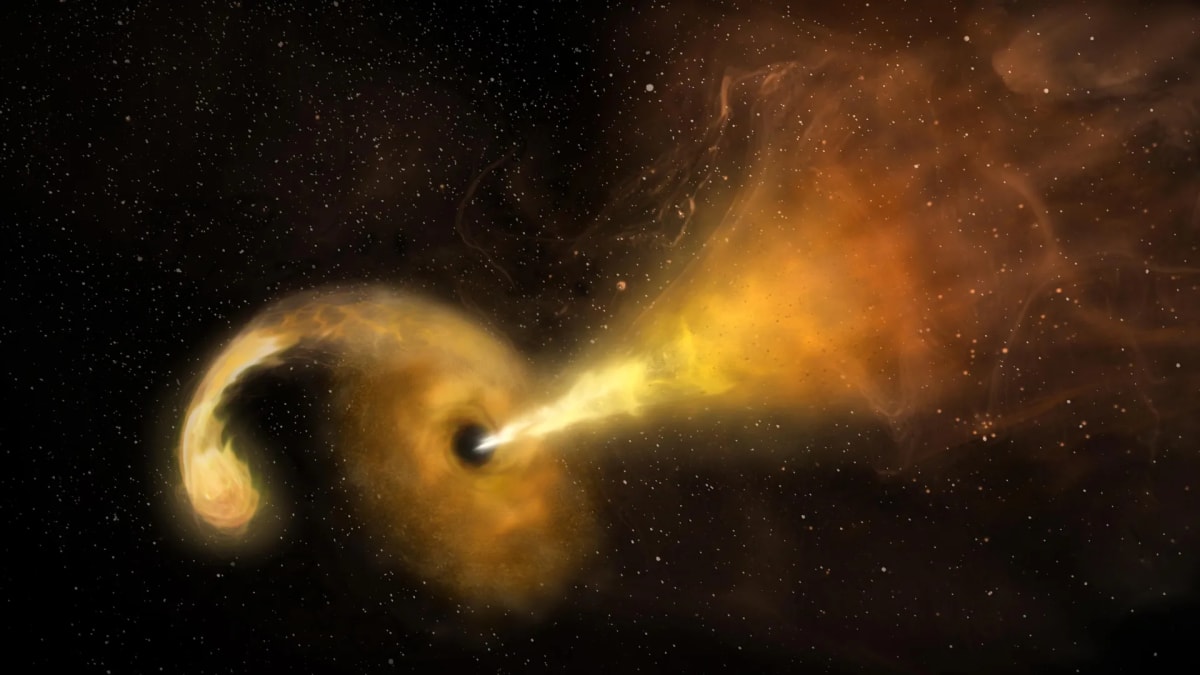
Instead, scientists discovered that powerful black holes at the center of these galaxies are creating the light show. Anthony Taylor, an astronomer at the University of Texas at Austin, called it solving "the universe-breaking problem."
The evidence is compelling. Researchers examined a wide population of these red objects across multiple Webb surveys, spanning hundreds of millions of years. About 70 percent showed gas spinning at a mind-boggling 2 million miles per hour, a telltale signature of black holes with their super-heated accretion disks.
The discovery doesn't just solve one mystery. It opens new questions that scientists are eager to explore with Webb's unprecedented capabilities.
Why This Inspires
This breakthrough shows how scientific mysteries that seem to break everything we know can lead to even more exciting discoveries. Rather than throwing out our understanding of the universe, astronomers kept investigating and found an answer that makes sense.
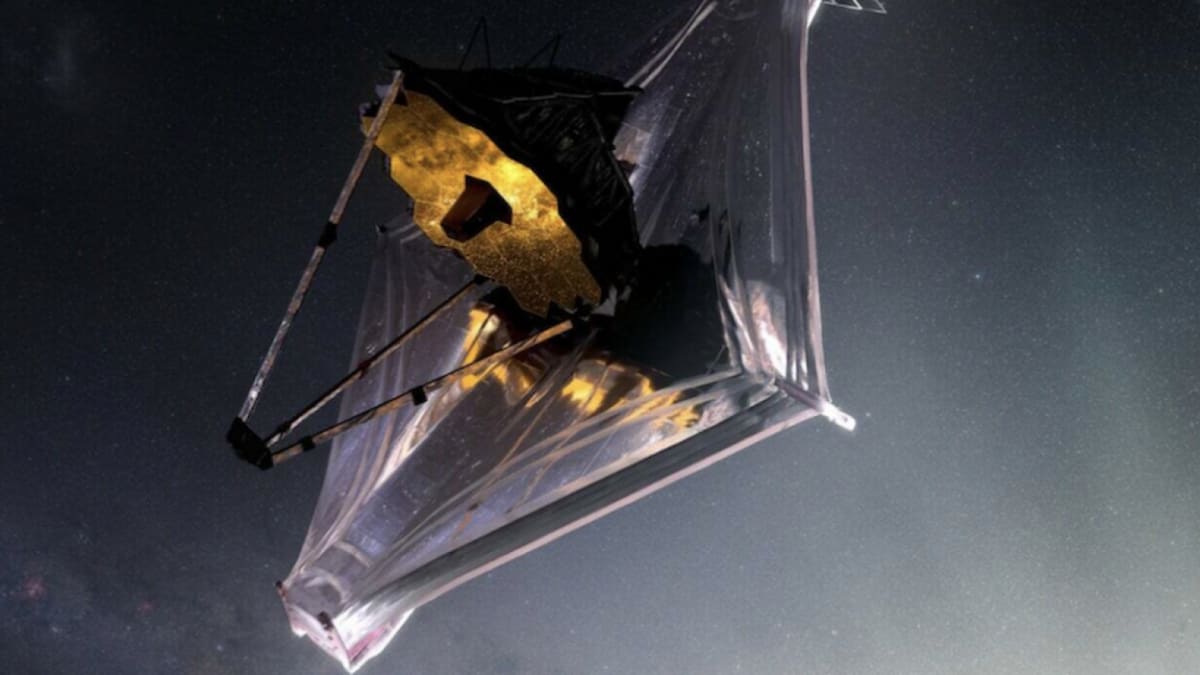
The Webb telescope continues proving its worth as a window into the cosmos. Its 21-foot mirror captures light from over 13 billion years ago, and its infrared vision peers through cosmic clouds that blocked earlier telescopes like Hubble.
Dale Kocevski, the astronomer at Colby College who led the research, describes science as "a continuous exchange between models and observations, finding a balance between what aligns well between the two and what conflicts." That patient, curious approach just revealed black holes shaping the early universe in ways we're only beginning to understand.
The universe isn't broken after all, and that's genuinely good news.
More Images

Based on reporting by Google: James Webb telescope
This story was written by BrightWire based on verified news reports.
Spread the positivity!
Share this good news with someone who needs it