Webb Telescope Solves Mystery of 15-Jupiter-Mass Planet
NASA's Webb Telescope just proved that a planet 15 times heavier than Jupiter formed the same way Earth did, rewriting the rules on how massive planets can grow. The discovery shows that giant worlds can build up piece by piece, even when they get enormously heavy.
Scientists just figured out how one of the universe's heaviest planets came to be, and the answer changes what we thought was possible.
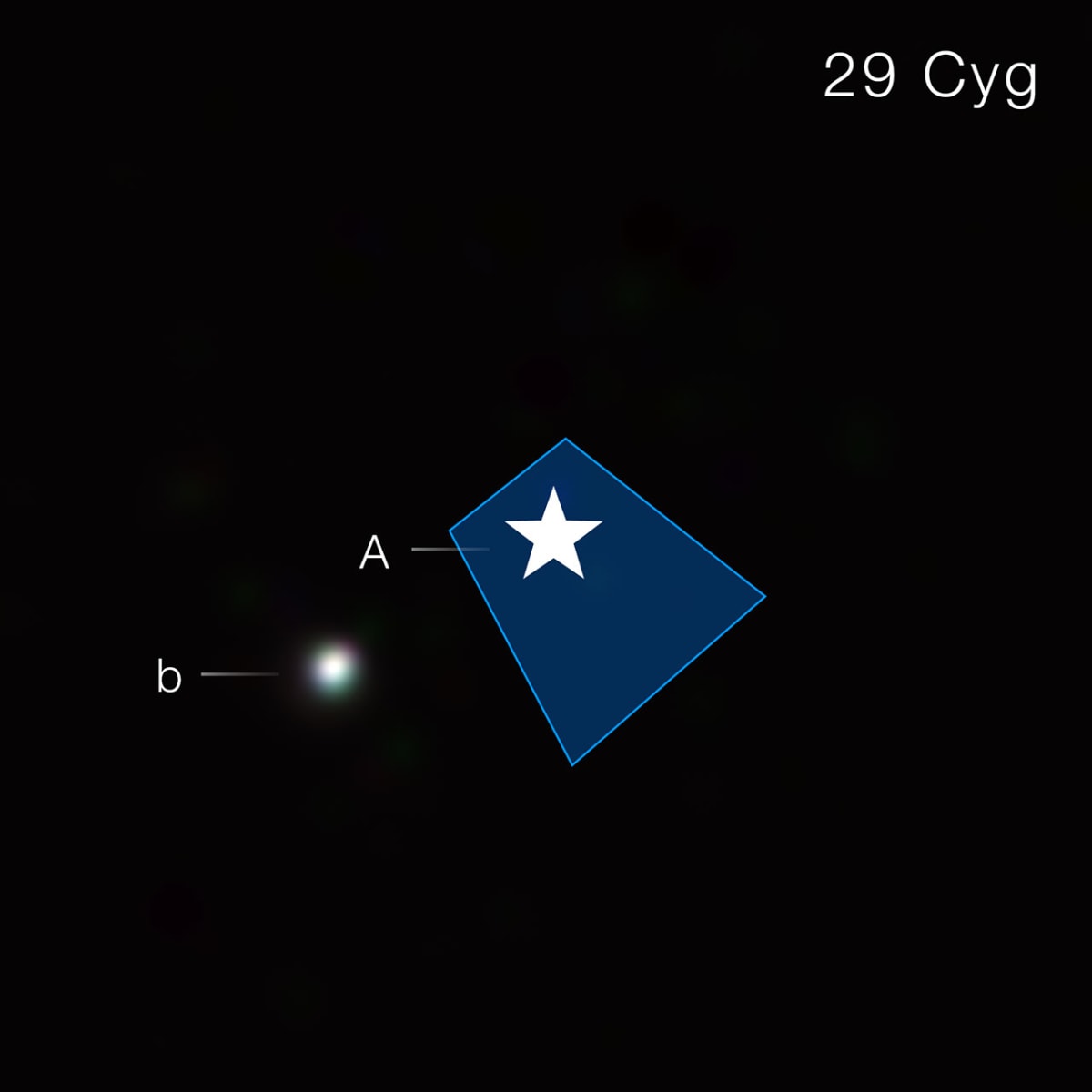
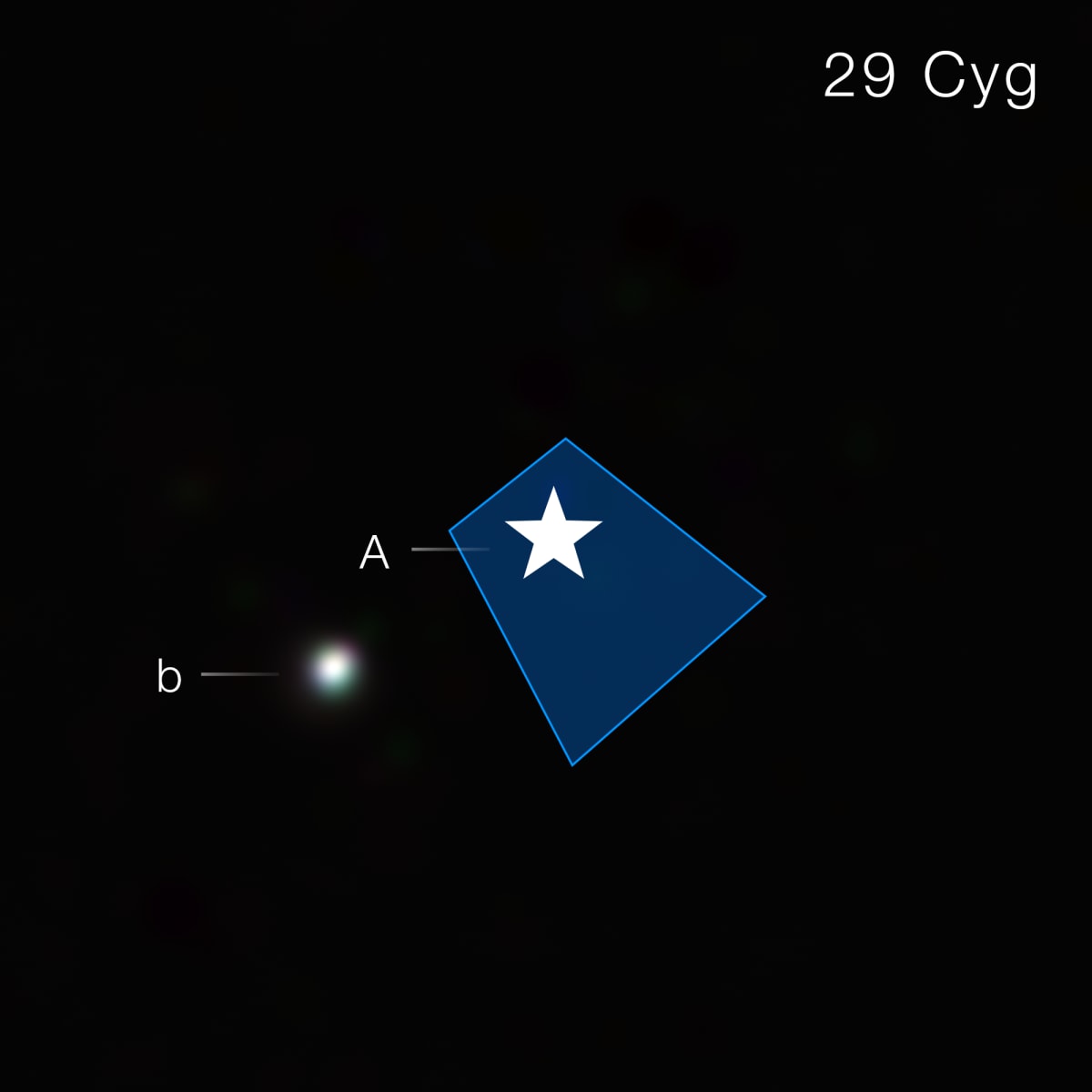
NASA's James Webb Space Telescope spotted 29 Cygni b, a giant planet weighing 15 times more than Jupiter, orbiting a nearby star about 1.5 billion miles away. That's roughly the same distance Uranus sits from our Sun.
The big question was how this massive world formed. Planets like Earth grow from the ground up, starting as tiny bits of rock and ice that clump together over millions of years. But scientists weren't sure if something this heavy could form that way.
Some astronomers thought super massive planets might form more like stars do, breaking off from giant clouds of gas that collapse under their own weight. That seemed more likely for something this enormous.
But Webb's sharp eyes found the proof they needed. The telescope detected high levels of carbon and oxygen in the planet's atmosphere, showing it contains the equivalent of 150 Earths worth of heavy elements.
Those metals could only come from one place: a disk of dust and rock around the young star. The planet built itself up piece by piece, gobbling up solid material as it grew.
The team also used a ground telescope array called CHARA to check the planet's orbit. They found it spins in perfect alignment with its star, just like planets in our solar system do. If it had formed from a collapsing gas cloud, that alignment would be random.
Lead researcher William Balmer from Johns Hopkins University says 29 Cygni b sits right on the dividing line between the two formation theories. At 15 Jupiter masses, it's about the heaviest a planet could get through the ground-up building process.
The discovery means planetary systems can create much bigger worlds than scientists previously thought possible through standard planet formation.
Why This Inspires
This finding expands our understanding of what's possible in the universe. If planets can grow this massive through ordinary formation processes, countless solar systems out there might host giant worlds we never expected to find.
The research also shows how new technology like Webb can answer questions that stumped scientists for decades. By directly imaging distant planets and reading their chemical signatures, we're learning the life stories of worlds we'll never visit.
Webb is currently studying three more massive planets to see if they share similar origins. Each discovery helps astronomers understand the full range of planetary possibilities across the cosmos.
The universe just got a little more surprising, and a lot more full of giant worlds built from humble beginnings.
More Images

Based on reporting by Google News - Science
This story was written by BrightWire based on verified news reports.
Spread the positivity!
Share this good news with someone who needs it