Webb Telescope Unlocks New Way to See Cosmic Details
NASA's James Webb Space Telescope just revealed stunning images of distant stars using a technique that turns its massive mirror into multiple mini telescopes. Scientists captured never-before-seen views of a massive star system creating dust patterns in space.
Scientists just figured out how to make the world's most powerful telescope even more powerful, and the results are breathtaking.
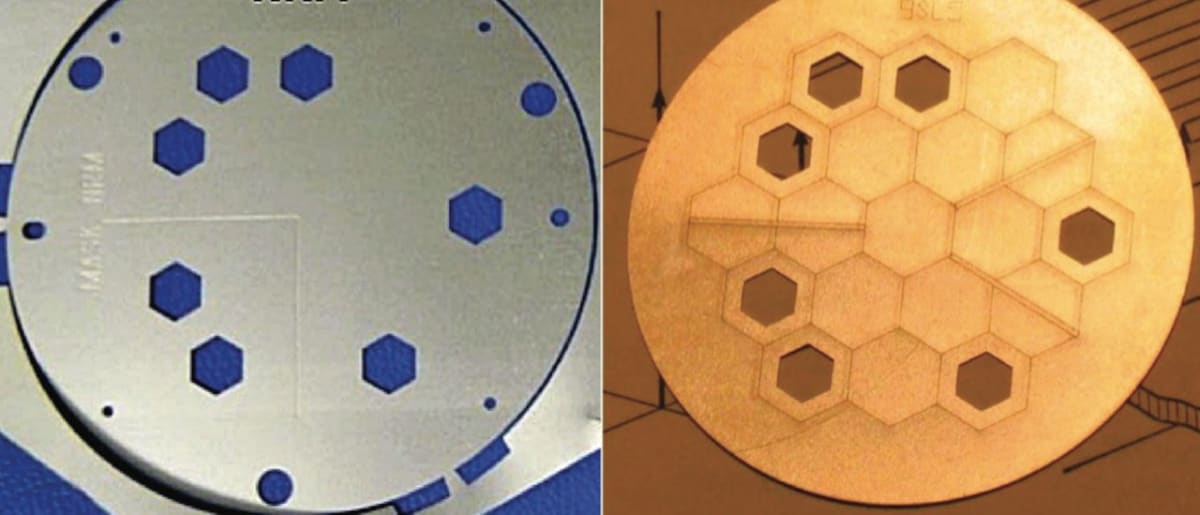
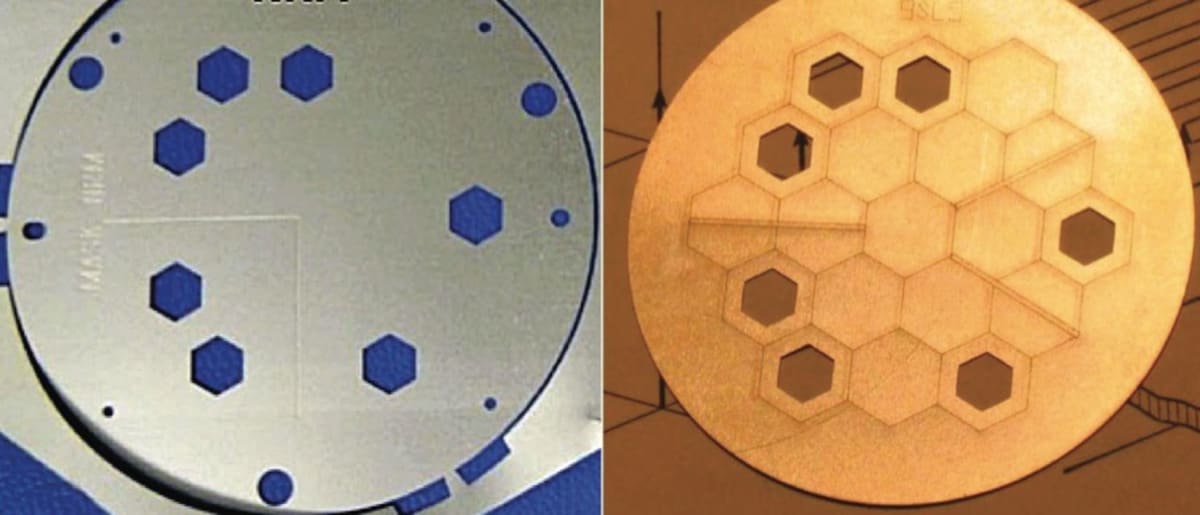
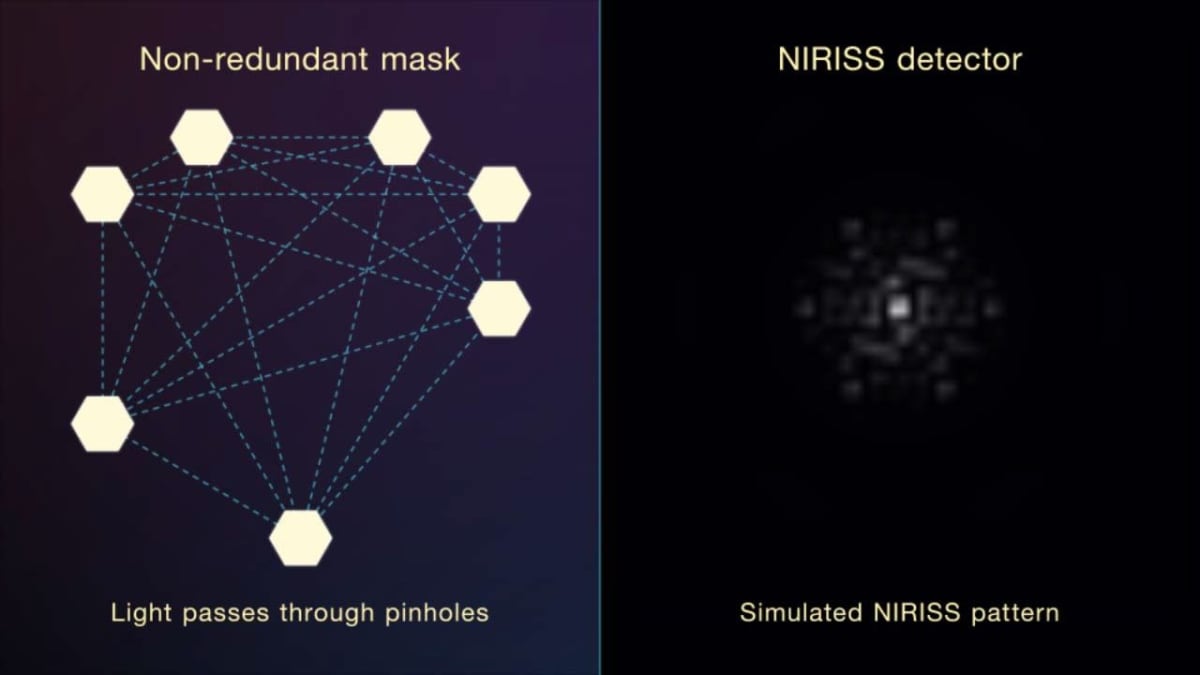
NASA's James Webb Space Telescope used a clever technique called aperture masking interferometry to capture images of cosmic objects with incredible detail. The method works by placing a special mask with seven tiny pinholes over the telescope's giant gold mirror, essentially turning one massive telescope into seven smaller ones working together.
When light passes through these pinholes, the waves overlap and create patterns, similar to ripples colliding in a pond. Scientists study these light patterns to reconstruct ultra-detailed images of objects millions of miles away.
The first results are already delivering surprises. A team led by Joel Sánchez Bermúdez at the National Autonomous University of Mexico observed Wolf-Rayet 137, a system where two massive stars orbit each other every 13 years. One star weighs 10 times our Sun's mass, while its companion tips the scales at 17 solar masses.
The team expected to see dust forming in a pinwheel pattern where the stars' powerful winds collide. Instead, the dust created an almost straight line, completely unexpected and suggesting something unique about how these stellar giants interact.
The images revealed dust formation happening just 100 to 200 astronomical units from the stars (for comparison, Neptune sits about 30 astronomical units from our Sun). At that distance, gas compresses and cools enough for dust particles to form, a process scientists had never observed this clearly before.
The Ripple Effect
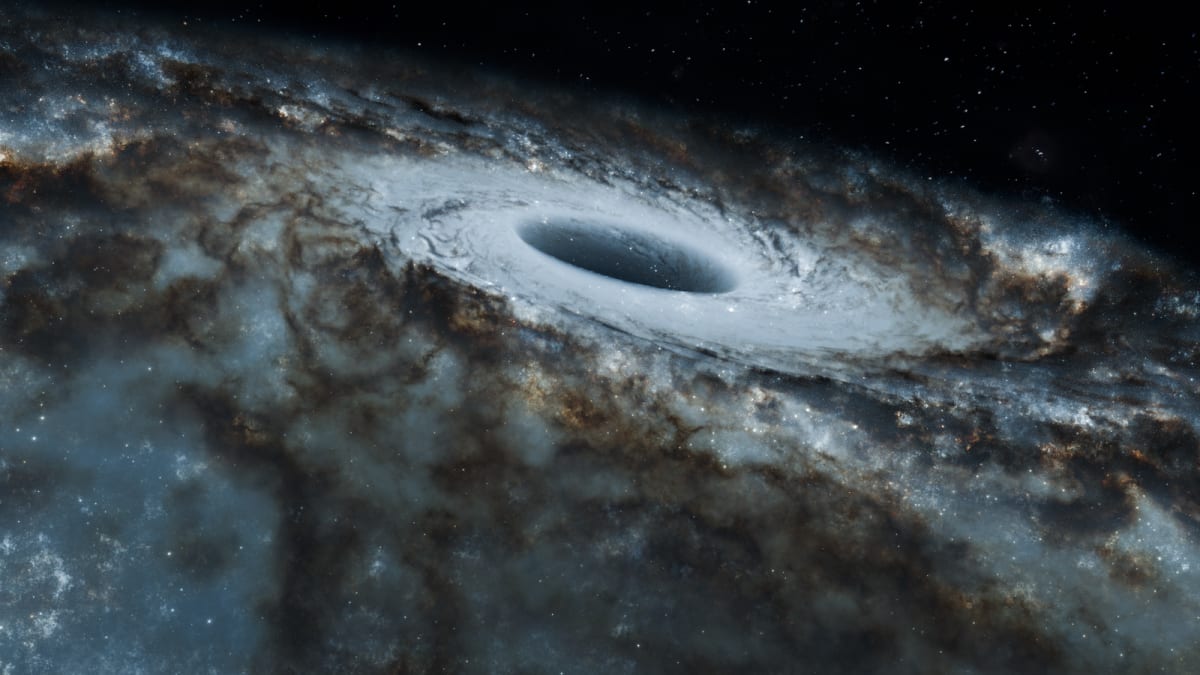
This breakthrough extends far beyond one star system. The technique opens new possibilities for studying planet formation around young stars, observing black holes at the centers of galaxies, and understanding how dust, the building block of planets and life, forms throughout the universe.
The observation of Wolf-Rayet 137 marked the first time Webb used this mode for science, and researchers developed entirely new tools to interpret the data. Those tools will now help scientists study countless other cosmic objects with unprecedented clarity.
Built by the Canadian Space Agency, the Near Infrared Imager and Slitless Spectrograph makes these observations possible. Webb's mirror already delivers images twice as sharp as scientists predicted before launch, and now this interferometry mode pushes that clarity even further.
The universe just came into sharper focus, revealing patterns and details that were invisible before.
More Images
Based on reporting by Google: James Webb telescope
This story was written by BrightWire based on verified news reports.
Spread the positivity!
Share this good news with someone who needs it
%3Amax_bytes(150000)%3Astrip_icc()%3Afocal(999x0%3A1001x2)%2Fmars-rover-field-073126-1e9056218dc842cdb53565a4df6cf847.jpg)