West Africa Leaders Unite to Fight Daily Terror Attacks
Eight West African nations are building a new security alliance after declaring that inaction is no longer an option in a region that now sees 44 deaths from terrorism every single day. Ghana, Nigeria, Liberia, Sierra Leone and four other countries agreed to share intelligence, coordinate border security, and hold each other accountable with meetings every six months.
Leaders from eight West African nations just made a promise that could save thousands of lives: they're done watching terrorism tear their region apart.
At a two-day summit in Ghana's capital Accra, presidents and representatives from Ghana, Nigeria, Liberia, Sierra Leone, Burkina Faso, Mali, Mauritania, Senegal and Togo signed a joint commitment to tackle what they called the world's new terrorism epicenter. The numbers are staggering: their region now records at least eight terror attacks every single day, claiming an average of 44 lives.
More than half of all global terrorism deaths now happen in West Africa. The leaders said fragmentation and going it alone have failed, and that security threats in one country quickly spill across borders into neighboring nations.
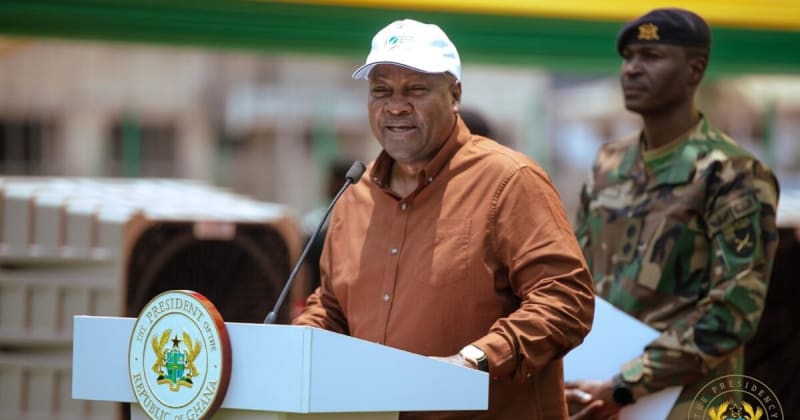
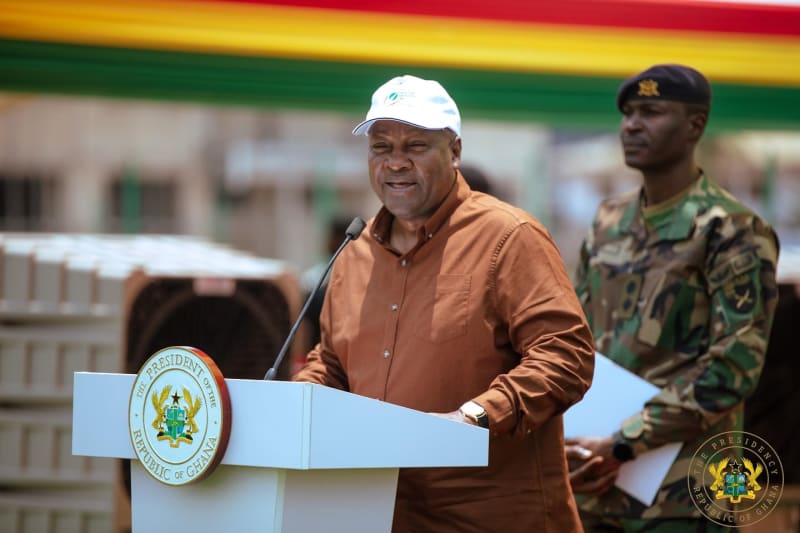
Ghana's President John Mahama chaired the January 29-30 conference, which produced concrete action plans instead of just talk. Within three months, Ghana's foreign minister will draft a foundational security cooperation agreement, with the final version ready within six months.
The plan includes ramping up intelligence sharing between countries, aligning legal systems to prosecute terrorists across borders, and creating "hot pursuit" agreements that let security forces chase criminals even when they flee to neighboring countries. They also committed to strengthening programs that help radicalized individuals rejoin society.
The Ripple Effect
What makes this summit different is the leaders' recognition that military force alone won't solve the problem. They pledged to tackle the root causes that make communities vulnerable to extremist recruitment in the first place.
The agreement prioritizes human security: food, healthcare, jobs and education. Leaders said local governments need to deliver services that improve daily life, not just show up with soldiers.
They're also addressing climate change as a "threat multiplier" since droughts and food insecurity push desperate people toward extremist groups. The new framework integrates climate resilience and disaster preparedness into regional peace planning.
To ensure promises become reality, the summit will now happen twice a year, and a tracking mechanism will monitor whether countries follow through. Presidents and foreign ministers will regularly review each other's progress on peace and security obligations while respecting national sovereignty and human rights.
The leaders acknowledged that communities across West Africa share ecosystems, trade routes and families that cross borders daily. Their livelihoods depend on regional stability, making cooperation not just helpful but essential for survival.
"We are determined to move beyond dialogue and turn these commitments into measurable outcomes that protect the lives and livelihoods of citizens across the region," the joint statement declared. For millions of West Africans living under the shadow of violence, that shift from words to action can't come soon enough.
More Images



Based on reporting by Punch Nigeria
This story was written by BrightWire based on verified news reports.
Spread the positivity!
Share this good news with someone who needs it