West Africa Plans Historic Ocean Sanctuary for High Seas
Fifteen West African nations are creating one of the world's first protected ocean zones beyond any country's borders. The proposed sanctuary would safeguard a biodiversity hotspot supporting 300 million people.
Fifteen West African countries are joining forces to protect a vast ocean area that belongs to no single nation, marking a breakthrough moment for marine conservation worldwide.
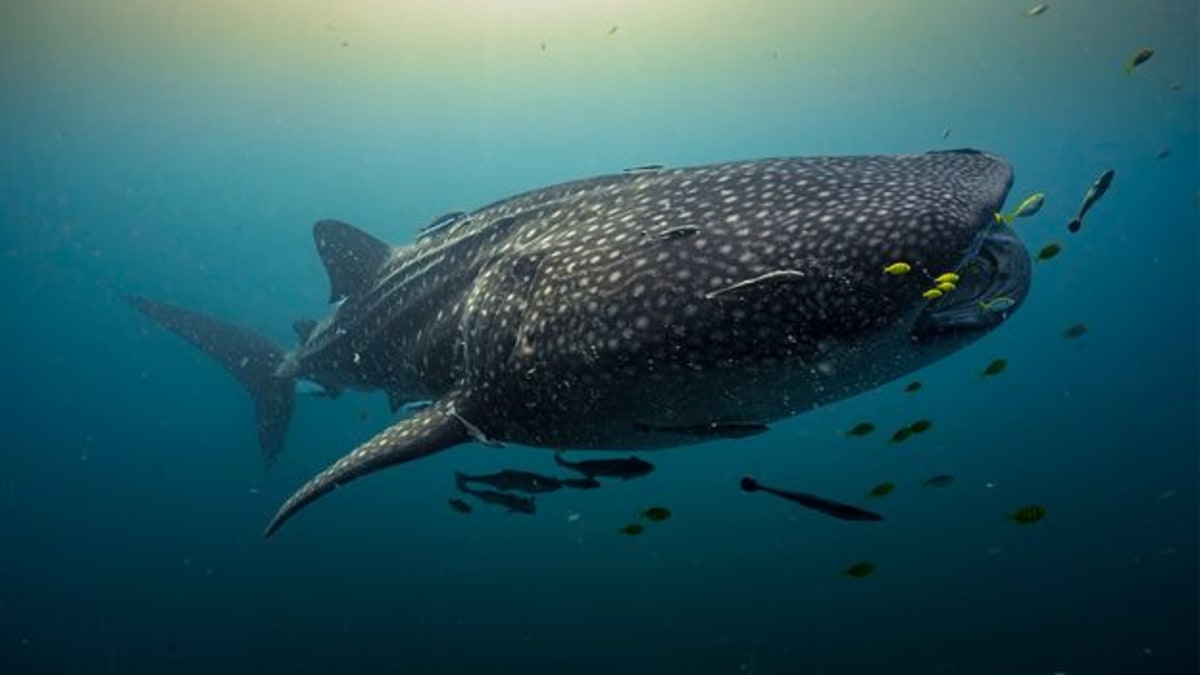
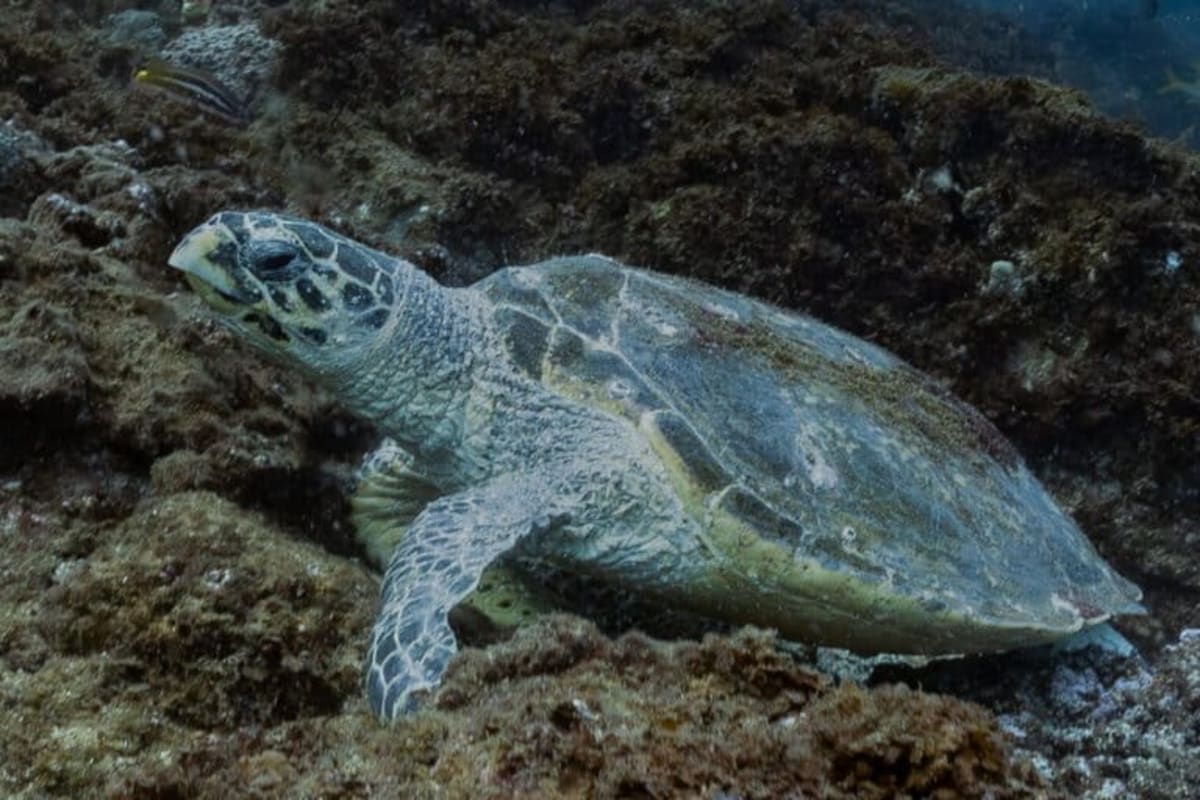
The Economic Community of West African States is designing a marine protected area in international waters stretching from Senegal to Nigeria. This zone, where cold and warm ocean currents meet, creates nutrient-rich waters that support extraordinary marine life, including endangered sea turtles, whales, and rare sharks.
The timing couldn't be better. The High Seas Treaty, which provides the legal framework for protecting oceans beyond national borders, takes effect in January. West Africa's proposal could be among the first considered when countries meet to discuss new protected areas later this year.
"It provides critical ecosystem services to over 300 million people in the coastal West African region," says Sikeade Egbuwalo, Nigeria's focal point for the treaty. The area serves as essential breeding and migration grounds for threatened species like hawksbill turtles and sei whales.
Nigeria is leading the proposal development, supported by six other nations and a team of scientific experts from across the region. They're racing to finalize their plan by year's end.
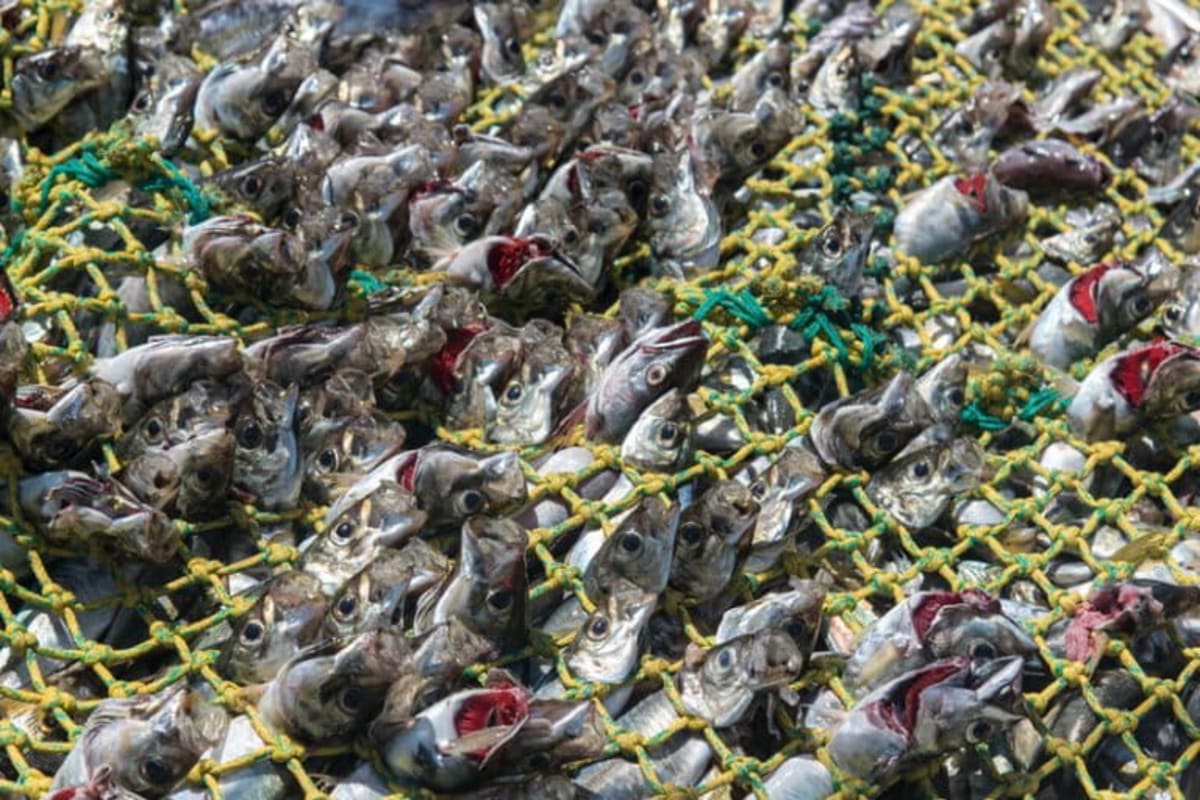
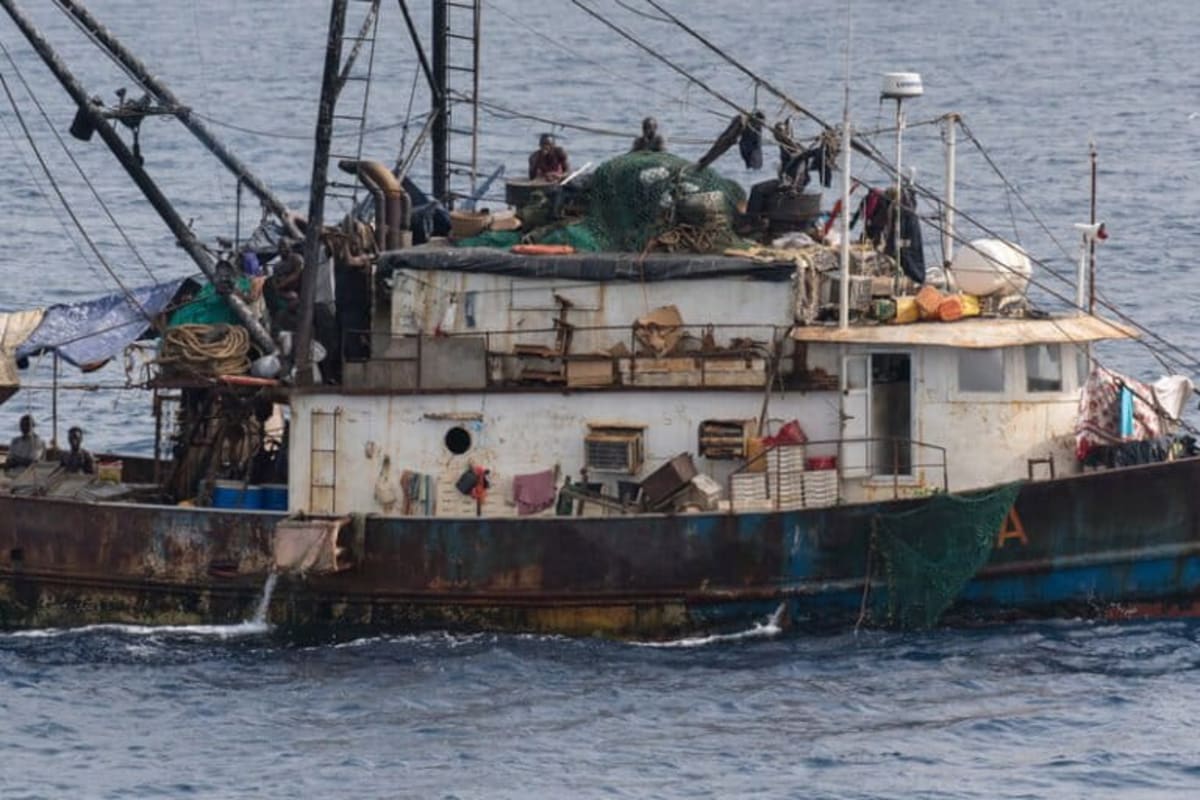
The sanctuary would address serious threats facing these waters. Industrial fishing fleets illegally harvest billions of dollars worth of fish from West African waters each year. Plastic pollution, oil exploration, and the looming possibility of deep-sea mining add to the ecosystem's challenges.
The Ripple Effect
This isn't just about protecting fish. The proposed sanctuary represents a new model for international cooperation on shared ocean resources. Nearly half of Earth's surface lies in international waters, hosting tremendous biodiversity that remains largely unexplored and unprotected.
The West African nations acknowledge they can't police these vast waters alone. Their plan includes partnerships with international organizations for monitoring and enforcement, turning what could have been a "paper park" into real protection with teeth.
Marine biologist Papa Diouf, advising on the proposal, emphasizes that protecting the high seas benefits everyone. "The high seas are of critical importance to the people living in coastal nations," he says, calling for governments and international bodies to work together on monitoring and funding.
The collaboration shows what's possible when countries recognize that ocean health crosses borders and demands shared solutions.
Within months, West Africa could lead the way in showing the world how to protect the oceans we all depend on.
More Images
Based on reporting by Mongabay
This story was written by BrightWire based on verified news reports.
Spread the positivity!
Share this good news with someone who needs it