Western Australia's Wildflowers Bloom 365 Days a Year
Forget seasonal gardens—Western Australia's Great Southern region showcases wildflowers every single month, with passionate locals preserving nearly 2,000 species found nowhere else on Earth. Expert guides are proving that winter can be just as spectacular as spring for flower hunters willing to look closer.
Terry Dunham walks through Gull Rock National Park and spots what others miss: a landscape bursting with color even in the middle of winter.
"The bush is actually full of flowers," says Dunham, who runs year-round wildflower tours in Western Australia's Great Southern region. While most people think wildflower season runs from June to November, he's sharing a beautiful secret: incredible blooms appear every single month.
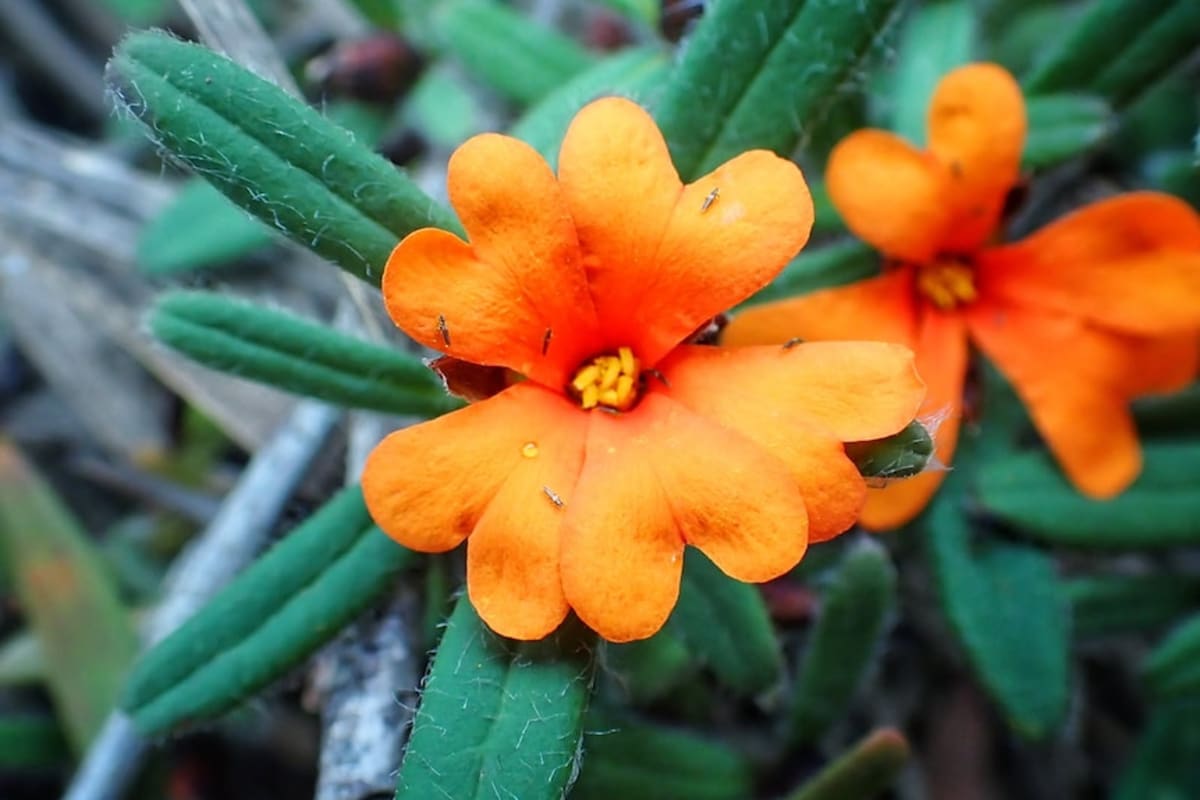
The region is home to roughly 5,000 wildflower species. About 1,800 of them grow exclusively in the Great Southern and nowhere else on the planet.
"They're some of the real show-stoppers such as the Royal Hakea, the Qualup Bells—absolute stunners, knockouts found there and nowhere else on Earth," says botanist Kingsley Dixon. He points out that January and February can rival the traditional spring display.
Summer blooms draw on deep water reserves, making their flowering even more prominent as plants prepare for the drought period. The mid to late summer season offers equally special viewing for those who know where to look.
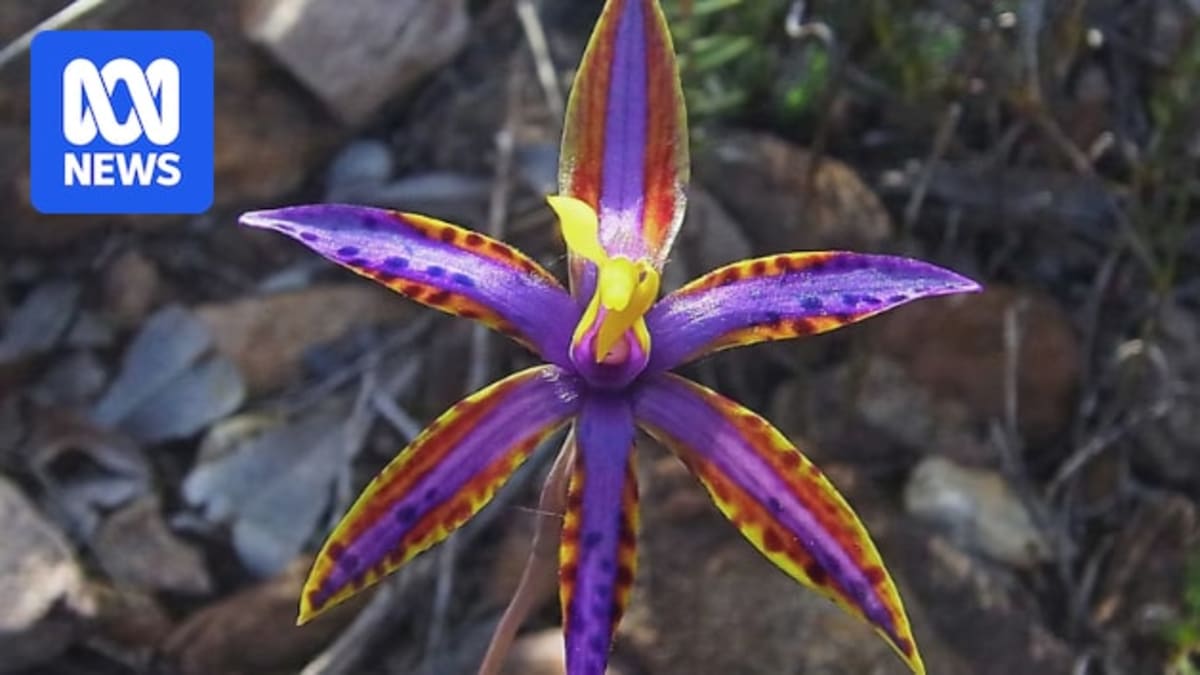
Finding some flowers requires extra care and attention. The Queen of Sheba orchid, one of the rarest plants on Earth, starts as a tiny spiral leaf just one millimeter high. Stepping on that small beginning means losing a future bloom that could take 10 years to appear.
The Ripple Effect
The wildflower passion has sparked community action across the region. The Ravensthorpe Wildflower Show, held 512 kilometers southeast of Perth, draws visitors from across Australia and internationally. Organizers call it the biggest wildflower show of its kind in the world.
Volunteers power the entire event, from licensed pickers to bottle washers. The venue also houses the Ravensthorpe Herbarium, which has spent nearly three decades collecting samples of every flowering plant in the shire.
Chris Lewis helped start another herbarium in Kojonup, 300 kilometers west. "I think I've collected and documented over 800 species, but there's still an awful lot out there to go," she says. She estimates she's only about a third of the way through cataloging the area's plants.
Each specimen collected locally gets a duplicate sent to the state herbarium, creating a living record of Western Australia's botanical treasures. These community efforts ensure future generations can identify, protect, and enjoy these unique flowers year-round.
More Images


Based on reporting by ABC Australia
This story was written by BrightWire based on verified news reports.
Spread the positivity!
Share this good news with someone who needs it