Whales Share Food as Ocean Resources Dwindle
A 27-year study reveals that three whale species in the Gulf of St. Lawrence are sharing resources and adapting their diets as climate change reduces their traditional food sources. The finding offers hope that these gentle giants can adjust to our changing oceans.
Scientists have discovered something remarkable happening beneath the waves: whales are learning to share.
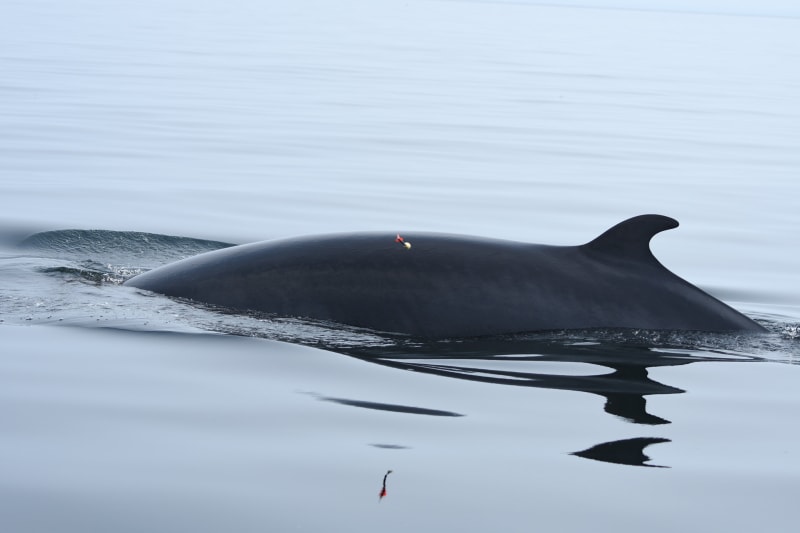
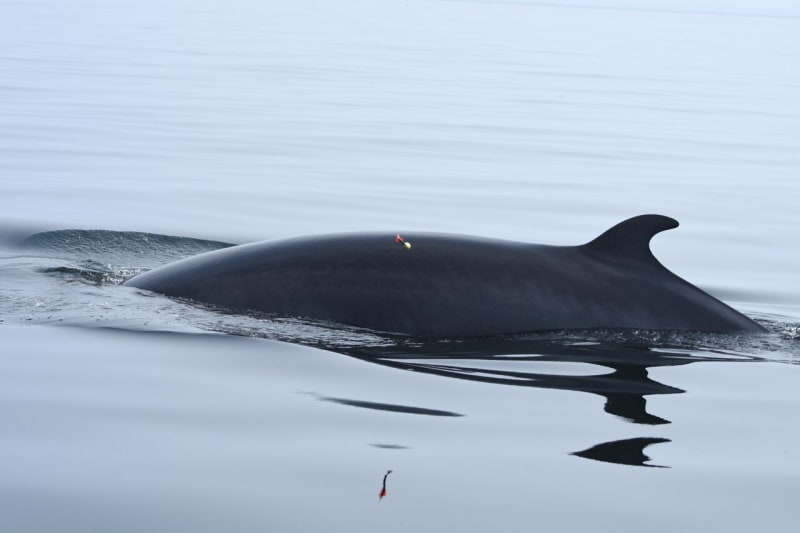
Researchers in Canada spent nearly three decades tracking the eating habits of minke whales, humpbacks, and fin whales in the Gulf of St. Lawrence. What they found challenges the idea that animals will only compete when food becomes scarce.
As Arctic krill populations declined due to warming waters, the three whale species began shifting their diets to include more fish. But instead of fighting over what remained, they found ways to coexist.
The research team collected skin samples from the whales between 1992 and 2019, measuring nitrogen and carbon isotopes to understand what the animals were eating. The study spanned three distinct climate periods as ocean temperatures rose and sea ice levels changed.
"Highly mobile species like baleen whales can use several strategies to reduce competition," says lead researcher Charlotte Tessier-Larivière. The whales adapted by changing their feeding times, moving to different areas, or selecting different prey within the same feeding grounds.
While competition for food has clearly increased, the scientists found no evidence of complete competitive exclusion. The whales haven't pushed each other out of their shared habitat.
The Ripple Effect
This discovery matters beyond whale watching. It shows that even massive ocean creatures, facing shrinking food supplies in a warming world, can demonstrate flexibility and resilience.
The whales' adaptive behavior suggests that some species may be better equipped to handle climate change than we feared. Their ability to shift diets and share resources could be crucial as ocean ecosystems continue to transform.
Scientists believe these findings could help inform conservation strategies. Understanding how whales naturally adapt to changing conditions gives researchers better tools to protect them.
The three-decade study also demonstrates the value of long-term environmental research. Short-term studies might have missed the gradual shifts in behavior that only became clear over years of observation.
These ocean giants are teaching us an important lesson: cooperation might be just as powerful as competition when it comes to survival.
More Images


Based on reporting by Google News - Science
This story was written by BrightWire based on verified news reports.
Spread the positivity!
Share this good news with someone who needs it