Why Blue Moons Capture Our Hearts and Imaginations
The rare Blue Moon happening May 31st isn't just a calendar quirk. It's a reminder of humanity's ancient connection to our cosmic companion overhead.
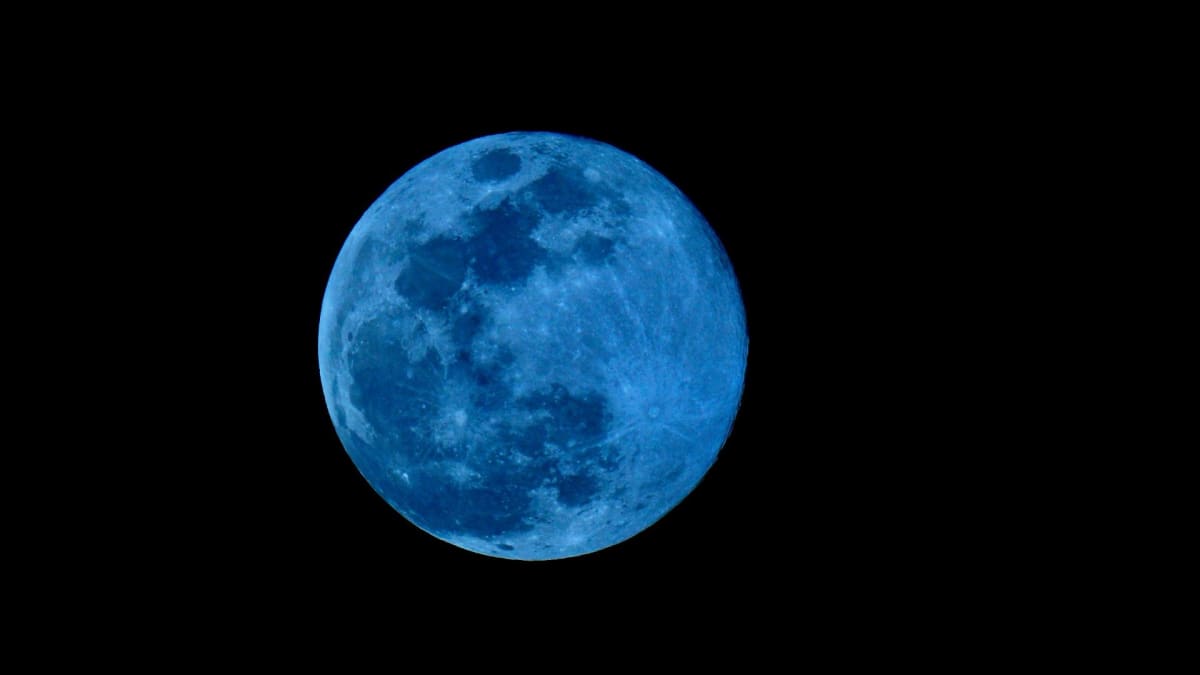
When the second full moon of May lights up the night sky on May 31st, it brings with it a special name that has captivated people for centuries: the Blue Moon.
A Blue Moon happens because our sun and moon operate on different schedules that don't align perfectly. The moon completes its cycle every 29.5 days, while Earth orbits the sun in 365 days, creating messy math that sometimes gives us 13 full moons in a year instead of the usual 12.
"The moon is kind of an old friend," Kevin Schindler, historian at Lowell Observatory in Arizona, explains. Across every culture, the moon shows up in origin stories, mythology, and folklore, deeply embedded in who we are as humans.
We've always given our lunar companion affectionate nicknames: Harvest Moon, Strawberry Moon, Cold Moon. The "Blue" label does something special beyond marking a calendar bonus. It sparks our imagination in ways that go far beyond astronomy.
The phrase "once in a blue moon" has become so woven into American culture that tracing its origins takes serious detective work. The earliest written connection between the moon and the color blue comes from a 16th-century pamphlet where writers used it in satire: "If they say the moon is blue, we must believe that it is true."
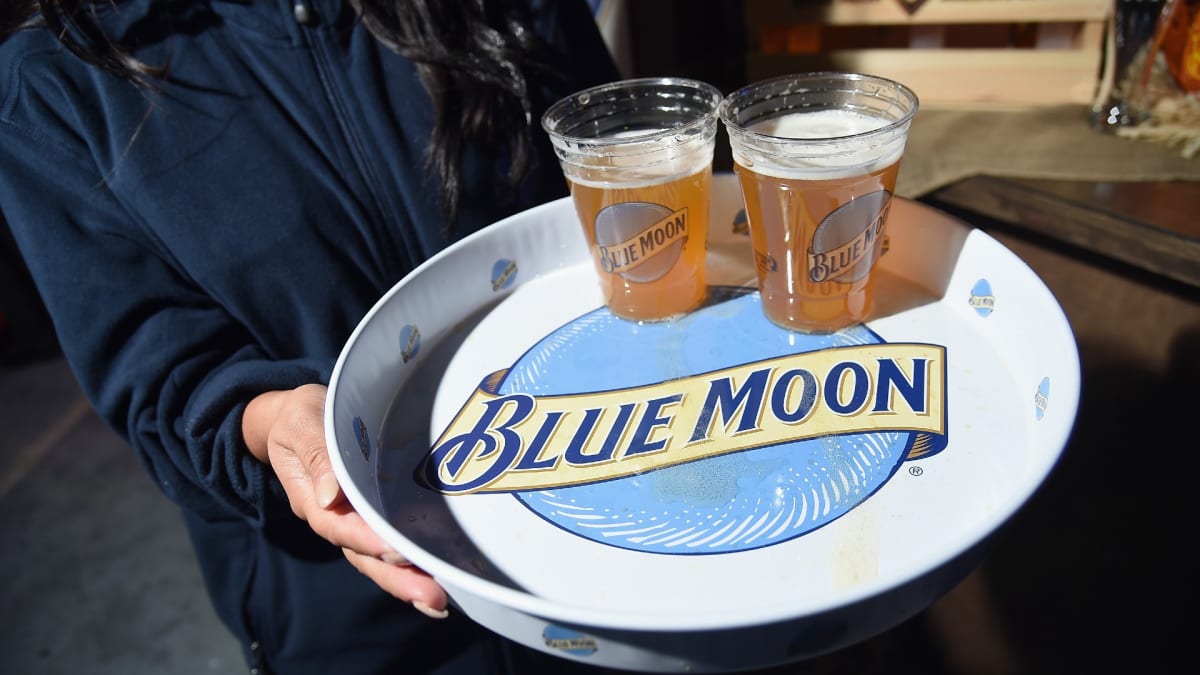
From there, Blue Moons showed up everywhere in popular culture. The 1934 song "Blue Moon" has been performed and recorded for nearly a century by legends like Ella Fitzgerald. At least half a dozen films bear the name, plus plays, books, and even a popular beer brand.
Why This Inspires
The Blue Moon represents something bigger than astronomy. It reminds us that humans have been looking up at the same celestial friend for thousands of years, finding wonder in its patterns and mysteries.
We walked on the moon's surface decades ago, and just recently returned to orbit it after more than half a century. Yet it still holds that magical quality that inspired our ancestors to tell stories and sing songs about it.
The Blue Moon shows us that even in our modern, technology-filled world, we still find enchantment in the night sky. Whether it's actually blue or not doesn't really matter. What matters is that we still look up, still wonder, and still feel connected to something ancient and constant above us.
More Images


Based on reporting by Space.com
This story was written by BrightWire based on verified news reports.
Spread the positivity!
Share this good news with someone who needs it
%2Fhttps%3A%2F%2Ftf-cmsv2-smithsonianmag-media.s3.amazonaws.com%2Ffiler_public%2Ff0%2Ffe%2Ff0fe19e4-e68b-474d-b0a4-19c5beb9d19d%2Fspeedy-star.webp)