James Webb Telescope Reveals Galaxy's Stunning Rebirth
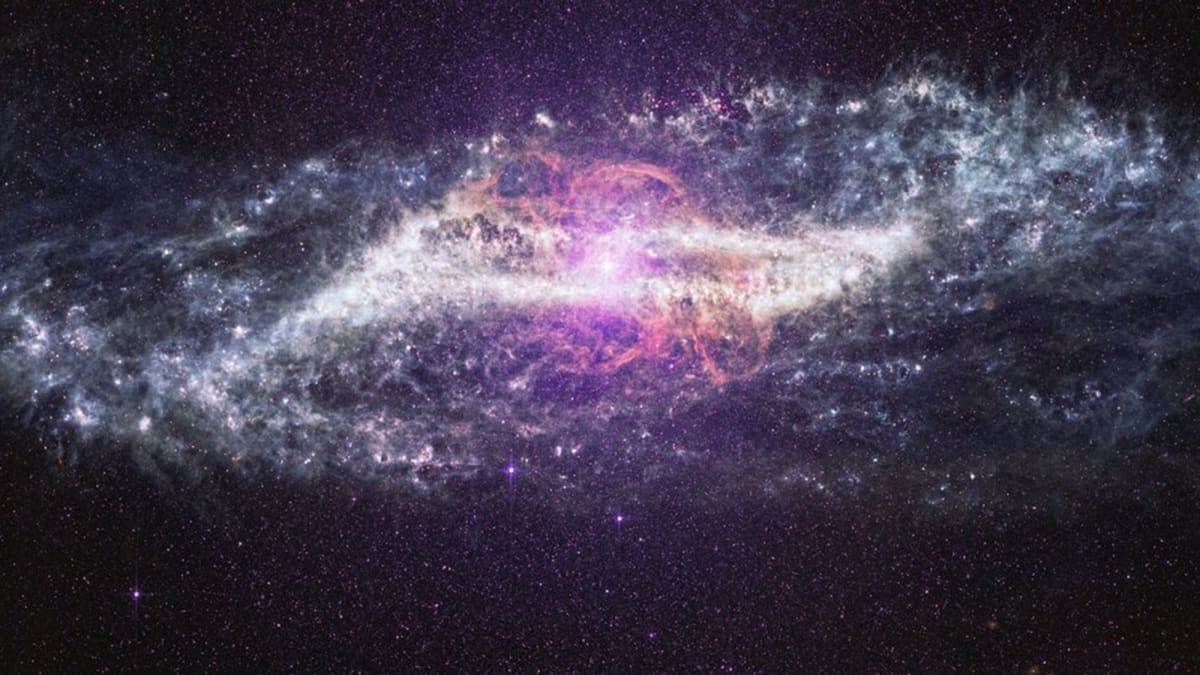
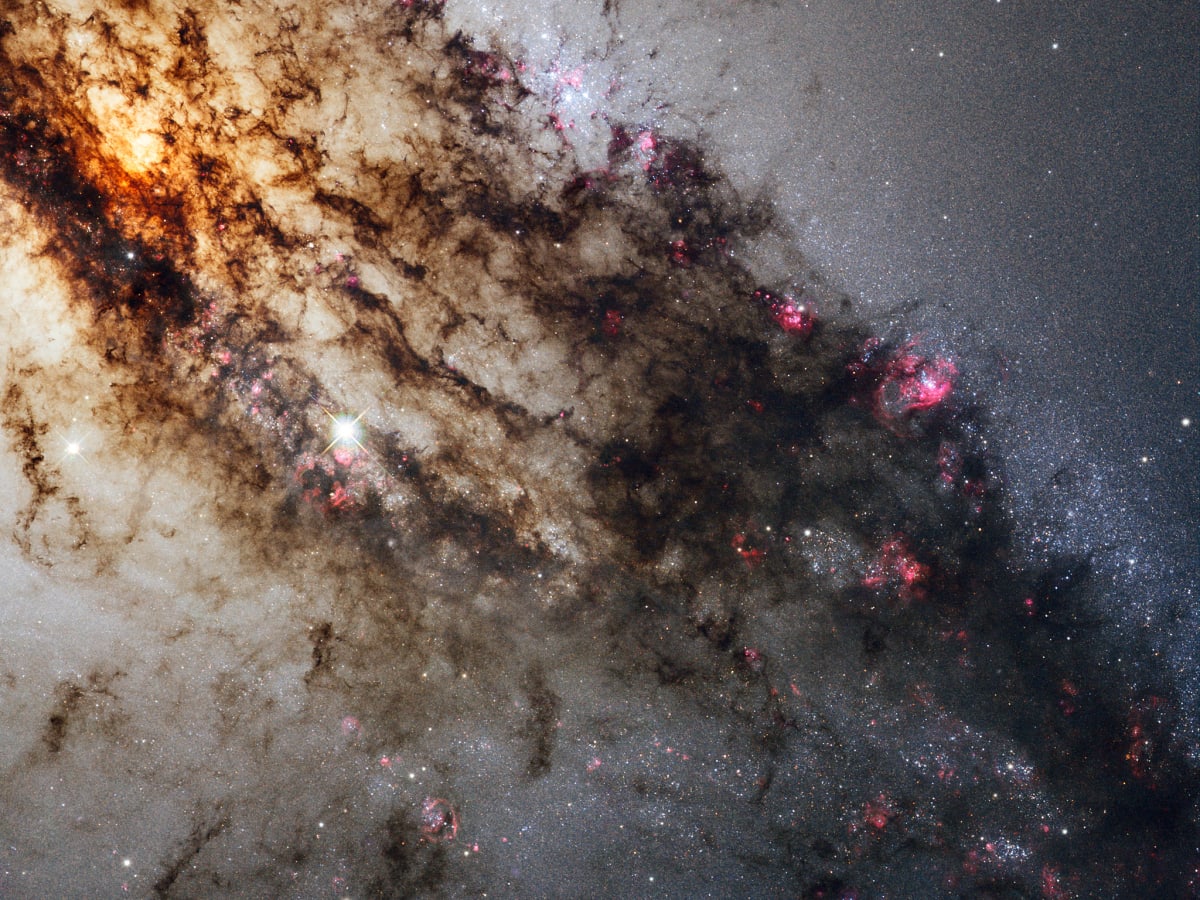
The James Webb Space Telescope captured an extraordinary view of Centaurus A, a galaxy reborn from a cosmic collision 2 billion years ago. The infrared images reveal what was hidden before: glowing clouds, graceful ribbons of stardust, and the breathtaking aftermath of galactic healing.
Scientists just unveiled one of the most beautiful comeback stories in the universe, and it's 11 million light-years in the making.
The James Webb Space Telescope peered through cosmic dust to reveal Centaurus A, a galaxy that survived a catastrophic collision with another galaxy roughly 2 billion years ago. What emerged is a testament to the universe's ability to create beauty from chaos.
Previous telescopes like Hubble and Spitzer could only see thick dust lanes blocking the galaxy's center, hiding most of its story. But Webb's advanced infrared technology acts like cosmic x-ray vision, seeing straight through the dust to reveal what was always there but never visible until now.
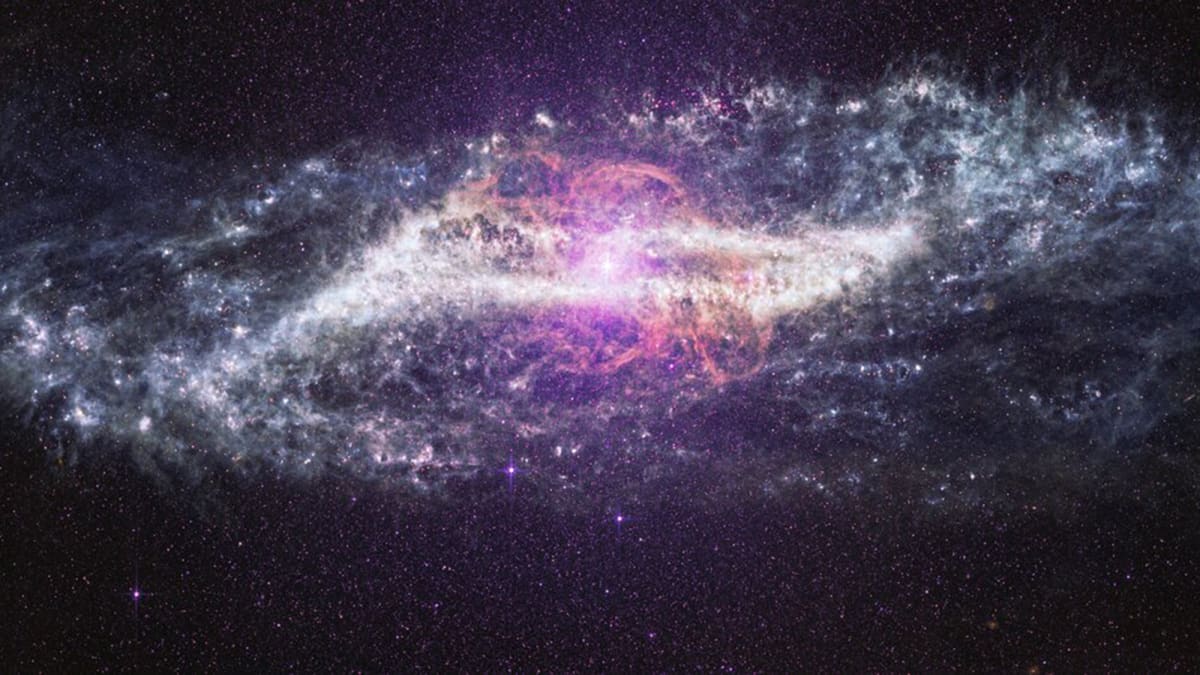
The images are stunning. The galaxy's center glows in white and pale pink, surrounded by intricate filaments and loops of warm dust. Pink and lavender ribbons curve across space in graceful S shapes, while a warped parallelogram structure cuts through the middle, each feature a visible scar from that ancient collision.
At the heart of this cosmic renaissance sits a supermassive black hole, actively feeding and releasing enormous energy. Rather than just destroying, this black hole is helping shape new star formation by launching powerful jets that sculpt the surrounding gas and dust into new configurations.
Why This Inspires
This discovery reminds us that even the most violent collisions can lead to extraordinary transformation. Centaurus A didn't just survive its cosmic crash. It's thriving, actively creating new stars and structures that scientists are only now beginning to understand.
The timing matters too. Webb launched on Christmas Day 2021 and released its first images in July 2022. Now in its fourth year of operations, the telescope continues revealing hidden wonders with each new image, showing us that our universe holds far more beauty than we ever imagined.
Scientists believe Webb will operate for about 20 years, meaning decades more discoveries await. Each image helps researchers understand how galaxies grow, merge, and evolve over billions of years, answering fundamental questions about our cosmic origins.
Centaurus A's proximity to Earth, just 11 million light-years away, made this detailed study possible. That cosmic neighborhood enabled Webb to capture unprecedented detail of a galaxy in the midst of its long, slow recovery and transformation.
The universe just proved that even after unimaginable violence, beauty and new life can emerge.
More Images

Based on reporting by Live Science
This story was written by BrightWire based on verified news reports.
Spread the positivity!
Share this good news with someone who needs it
%2Fhttps%3A%2F%2Ftf-cmsv2-smithsonianmag-media.s3.amazonaws.com%2Ffiler_public%2Ff0%2Ffe%2Ff0fe19e4-e68b-474d-b0a4-19c5beb9d19d%2Fspeedy-star.webp)