Wild Bonobos in Congo Are Learning to Trust Humans Again
Deep in Africa's largest rainforest, researchers are teaching wild bonobos to tolerate human presence after centuries of conflict. The four-year effort could unlock breakthrough conservation science and protect one of our closest relatives from extinction.
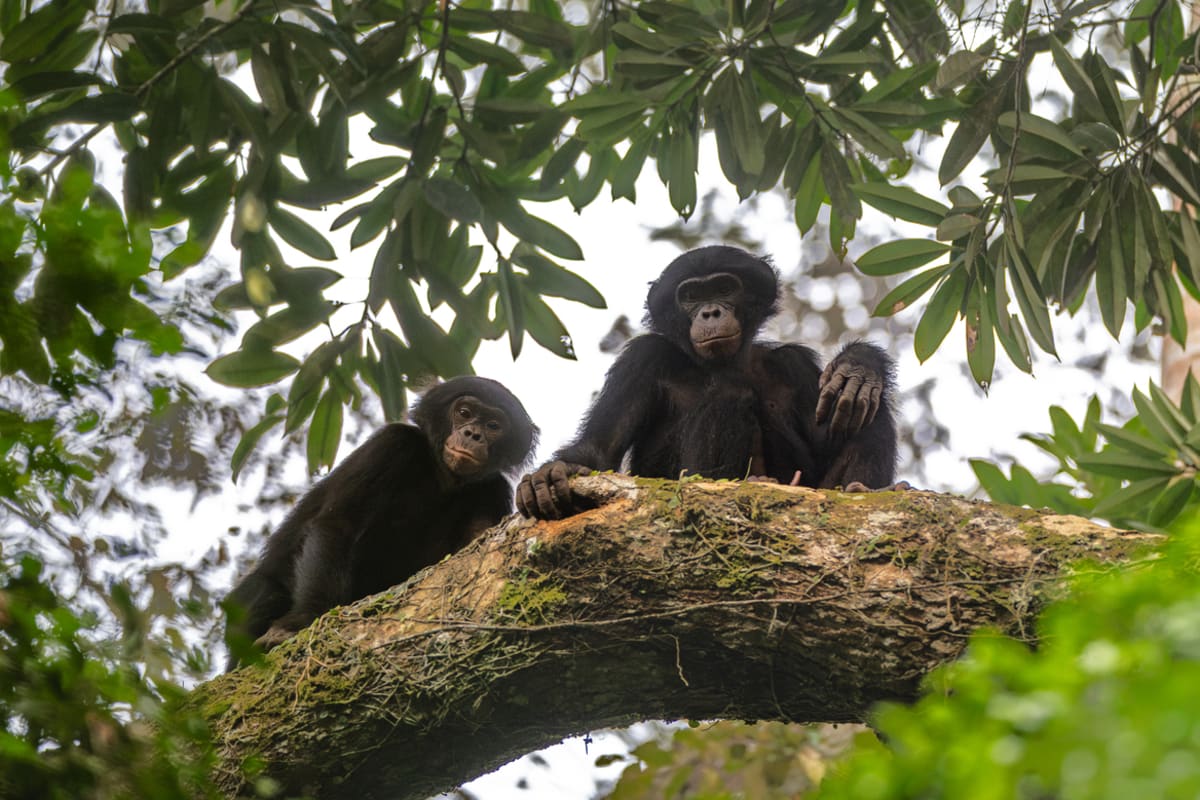
In the heart of Congo's Salonga National Park, something remarkable is happening: bonobos, one of our two closest living relatives, are learning to trust humans again.
Every morning before sunrise, researchers venture into one of Africa's most remote rainforests to spend time with a group of 60 wild bonobos. Their mission isn't just observation. It's earning trust, one quiet day at a time.
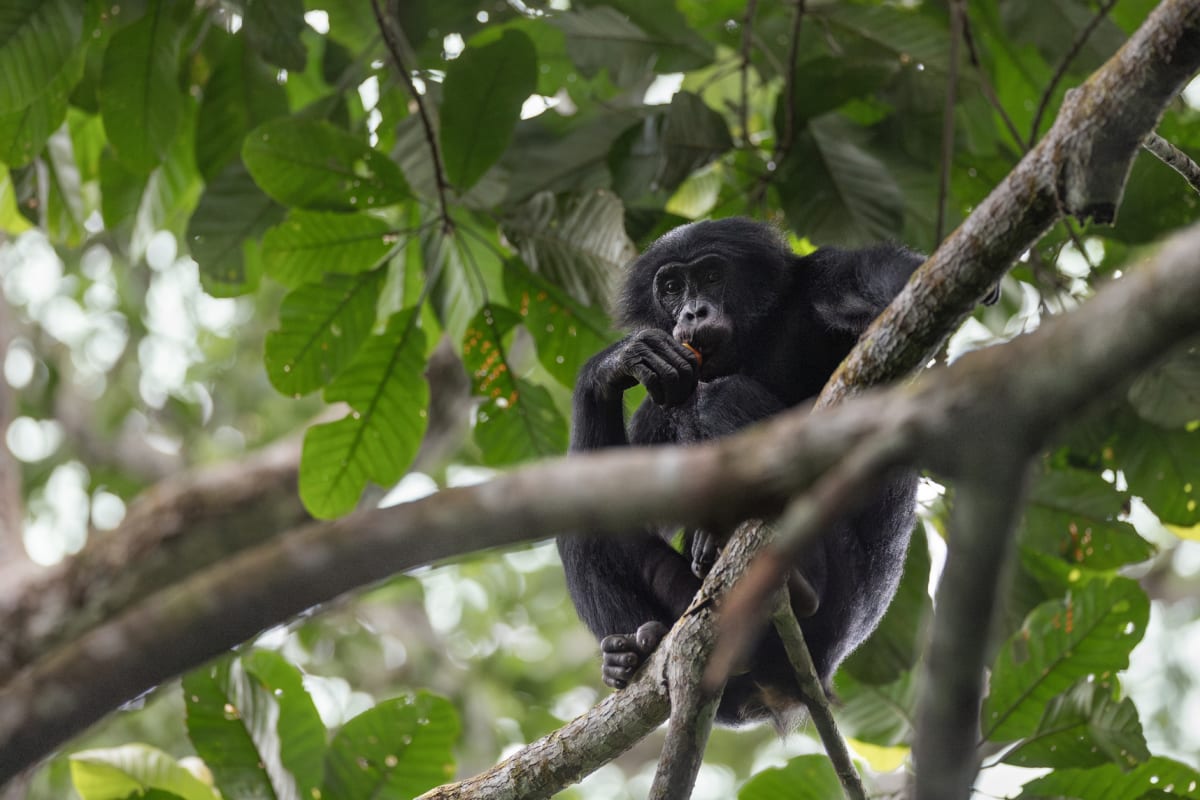
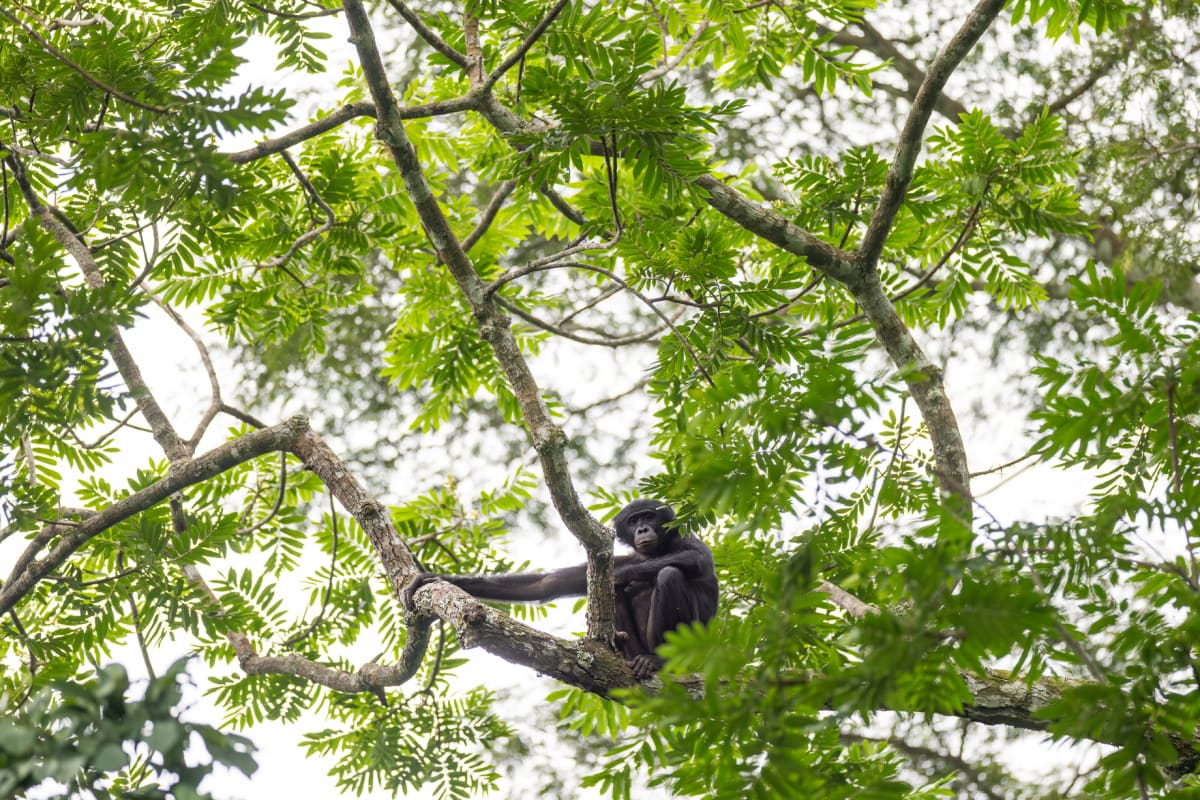
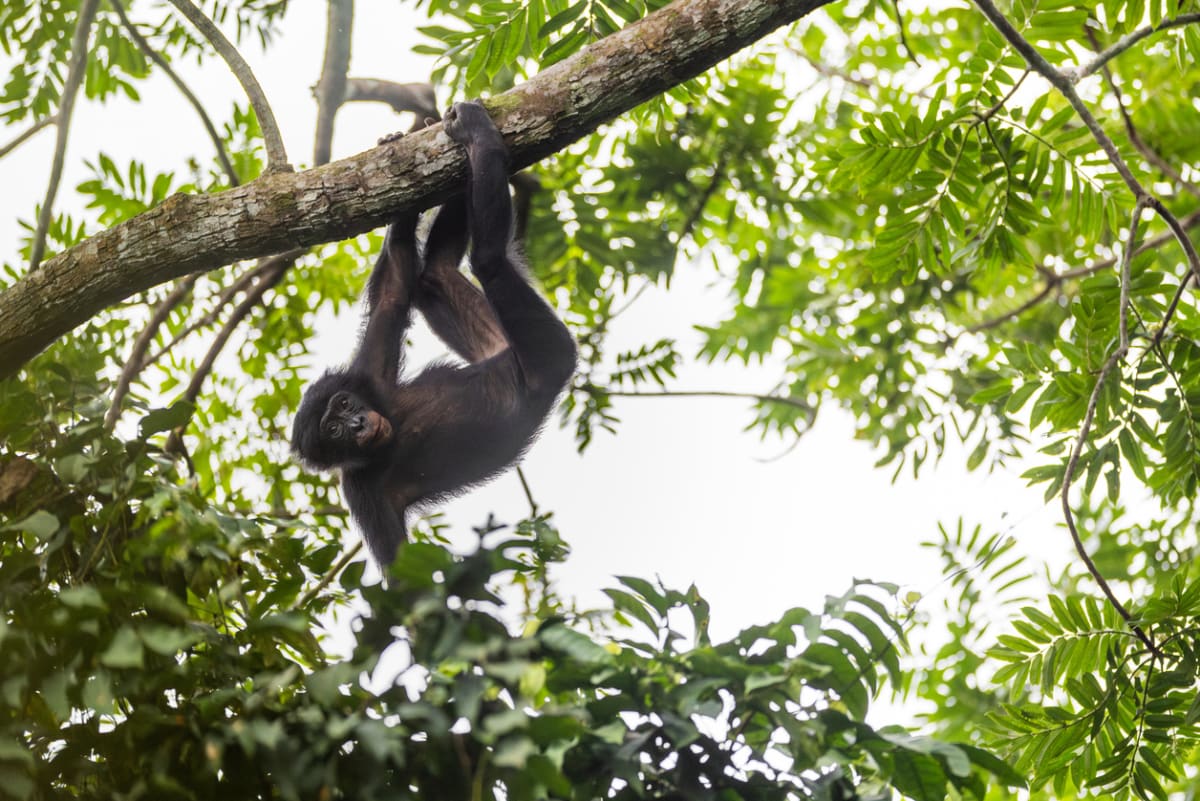
When the team started in late 2023, the endangered apes would flee at the first sight of people. Today, the bonobos tolerate observers for two to three hours, allowing scientists to watch them feed, rest and play. "The whole idea is that you meet the group every day in a very friendly, non-interactive way so they accept you as part of the forest," says Felix Bofeko, an assistant researcher on the project.
This painstaking process, called habituation, can take four years or longer. Trackers leave camp as early as 3 a.m. to reach the bonobos' sleeping nests before they wake, then follow them through dense jungle until they build new nests at nightfall. Many of these trackers are former poachers whose forest knowledge now serves conservation instead of exploitation.
The payoff extends far beyond feel-good moments. Habituated bonobos allow scientists to monitor their health, study their social lives and collect samples that reveal insights about genetics, disease and diet. Researchers with the Bonobo Diversity Project are building a network of study sites across Congo to gather standardized data on these mysterious apes.
Bonobos exist nowhere else on Earth except the Democratic Republic of Congo. Scientists estimate 12,000 to 18,000 adults live in the wild, but the species remains endangered and declining. Much of what we know about bonobos comes from just a handful of research sites.
Salonga National Park, a World Heritage Site covering thousands of square miles of pristine rainforest, could eventually become one of the few places where visitors can observe wild bonobos. Park managers hope this will support local livelihoods through ecotourism while strengthening protection for the apes.
The Ripple Effect
The researchers' work reaches beyond one group of bonobos. Conservation scientists say animals that are known, monitored and valued receive far greater protection than those that remain invisible. When people can see bonobos thriving, they invest in keeping them safe.
The habituation program also deploys camera traps and acoustic monitoring systems throughout the park, creating a comprehensive picture of wildlife populations. This data helps park managers make smarter decisions about where to focus protection efforts.
Even the team's composition tells a story of transformation. Former poachers now use their intimate forest knowledge to protect the very animals they once hunted, turning decades of tracking expertise toward conservation.
As bonobos grow more comfortable with their human observers, scientists edge closer to understanding the complex social bonds, communication patterns and cultural traditions that make these apes so similar to us.
The progress happens in small increments. Right now, bonobos stay calm with two observers. Researchers hope within a year they'll tolerate three or four. Every hour of acceptance represents hundreds of hours spent building trust in the forest darkness.
More Images

Based on reporting by Mongabay
This story was written by BrightWire based on verified news reports.
Spread the positivity!
Share this good news with someone who needs it