Wildcats Return to Czech Mountains After 100 Years
For the first time in nearly a century, European wildcats are breeding again in the Czech Republic's Lusatian Mountains. The recovery shows what's possible when forests heal and hunting pressure eases.
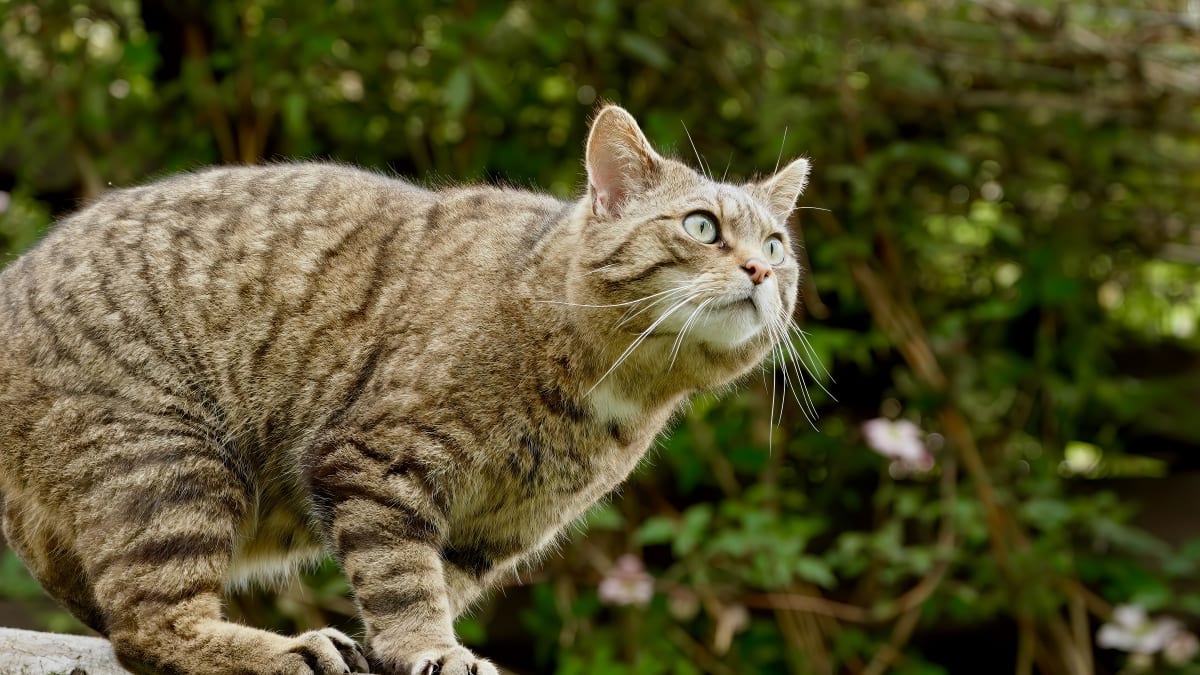
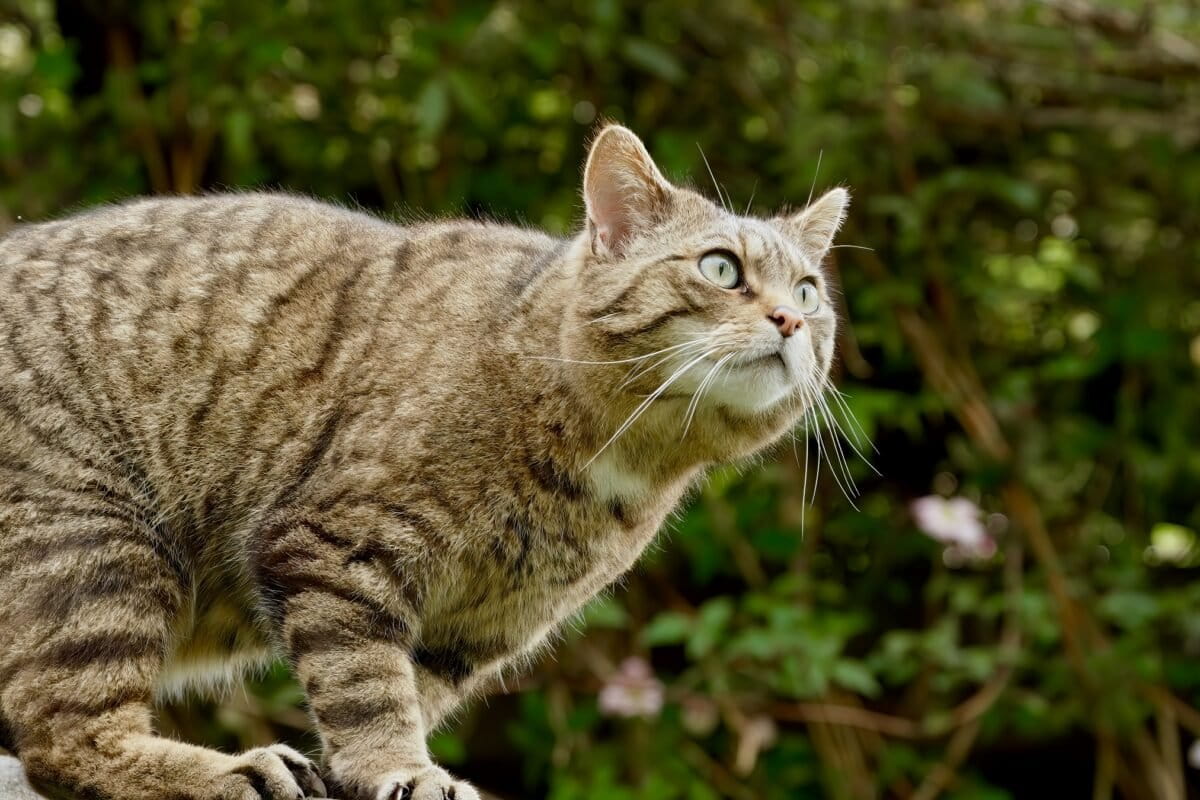
A male and female European wildcat named Jonáš and Tonka have done something remarkable in the Czech Republic's Lusatian Mountains. They've become the first wildcats recorded in the region in almost 100 years, and Tonka has already given birth to at least three kittens.
It's a small moment with big meaning for a species that was pushed out by habitat loss, hunting, and competition with domestic cats. The European wildcat looks like a large housecat and lives quietly in forests, making it easy to miss even when it's thriving.
Across Europe, the wildcat's story varies dramatically from place to place. In Germany and France, wildcats are moving back into former territories as forests recover and legal protections take hold. Italy has seen enough progress to downlist the species nationally.
But the wins aren't everywhere. Scotland declared its wildcats functionally extinct in the wild in 2018 and is now running a breeding program in Cairngorms National Park to rebuild the population from scratch. Portugal may have only 100 wildcats left, and their numbers are still dropping.
The challenges are real and specific. Roads kill more wildcats than any other recorded cause in Europe. In some areas, wildcats breed with domestic cats, blurring the genetic line between wild and tame.
Southern Spain's wildcat populations face fragmented habitat, disease, and limited official recognition. The species might look secure on a continental scale, but local extinctions tell a different story.
The Bright Side
What's happening in the Czech mountains proves that recovery doesn't always require expensive reintroduction programs. Sometimes nature just needs space, time, and a chance to heal itself.
Connected forests, careful monitoring, and managing feral cat populations can make the difference between a species disappearing locally or finding its way home. Germany, France, and now the Czech Republic show what happens when those pieces align.
The contrast is clear: Jonáš and Tonka represent what's possible when conservation happens early, while Scotland's captive breeding program shows the cost of waiting too long.
Three wildcat kittens in the Lusatian Mountains aren't just three more cats; they're proof that comeback stories can still be written.
More Images


Based on reporting by Mongabay
This story was written by BrightWire based on verified news reports.
Spread the positivity!
Share this good news with someone who needs it