Wind Farm Dig Uncovers Roman Villa in Norfolk
Archaeologists expecting to find nothing at a wind farm site discovered a Roman villa, bathhouse, and Neolithic burial mound instead. The stunning finds reveal thousands of years of Norfolk history, all thanks to a renewable energy project.
When archaeologists began surveying a 40-mile cable route for a new wind farm in Norfolk, England, they were certain the site was empty. Historical maps, records, and magnetometry surveys all pointed to one conclusion: nothing to see here.
Then they started pulling Roman roof tiles from the ground.
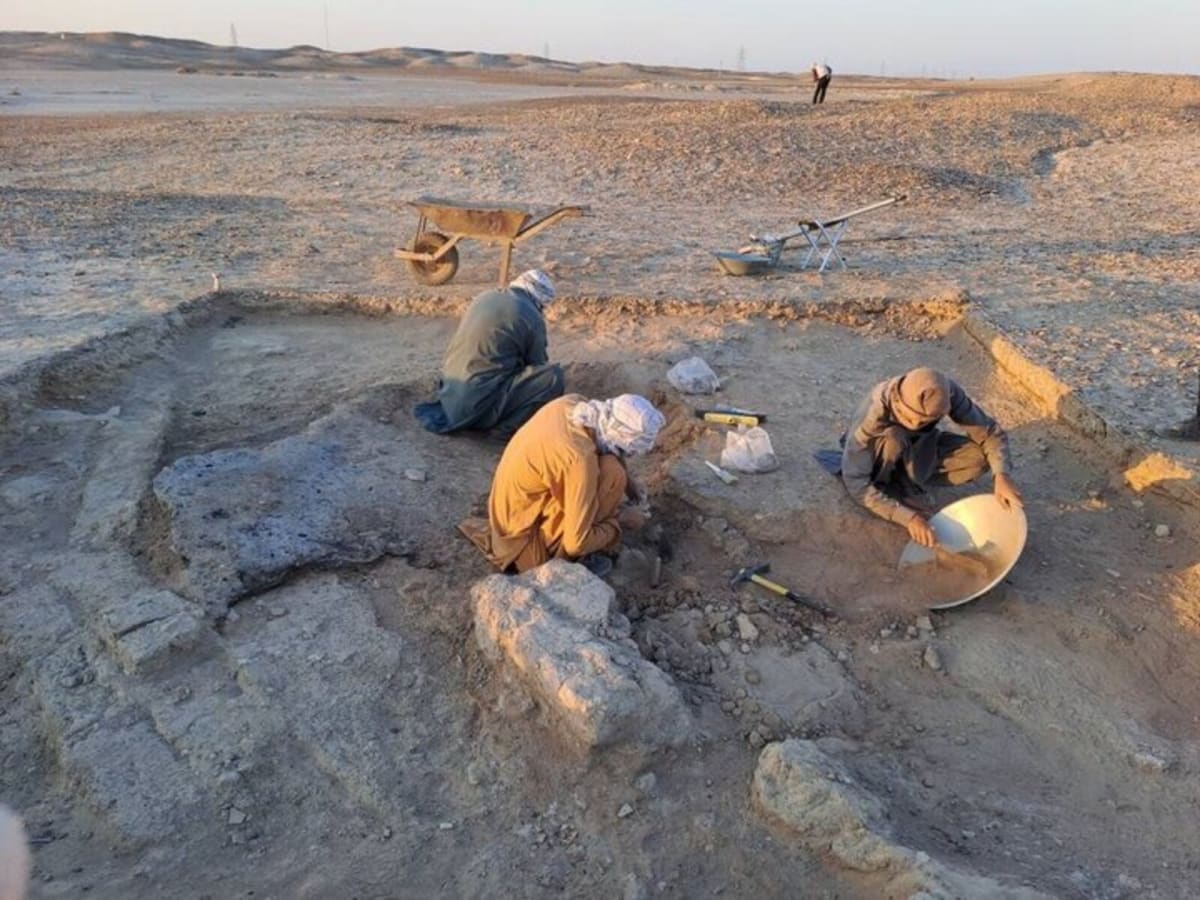
The Headland Archaeology team was hired by energy company RWE to check the route before construction began in 2021. During routine trench digging, they uncovered not just tiles but an entire Roman villa and bathhouse dating back to the Iron Age and Roman Empire periods.
"We think it was quite a large farming estate," archaeologist Jessica Lowther told local news. The excavations revealed walls, foundations, a Roman road, and countless artifacts that paint a picture of daily life two millennia ago.
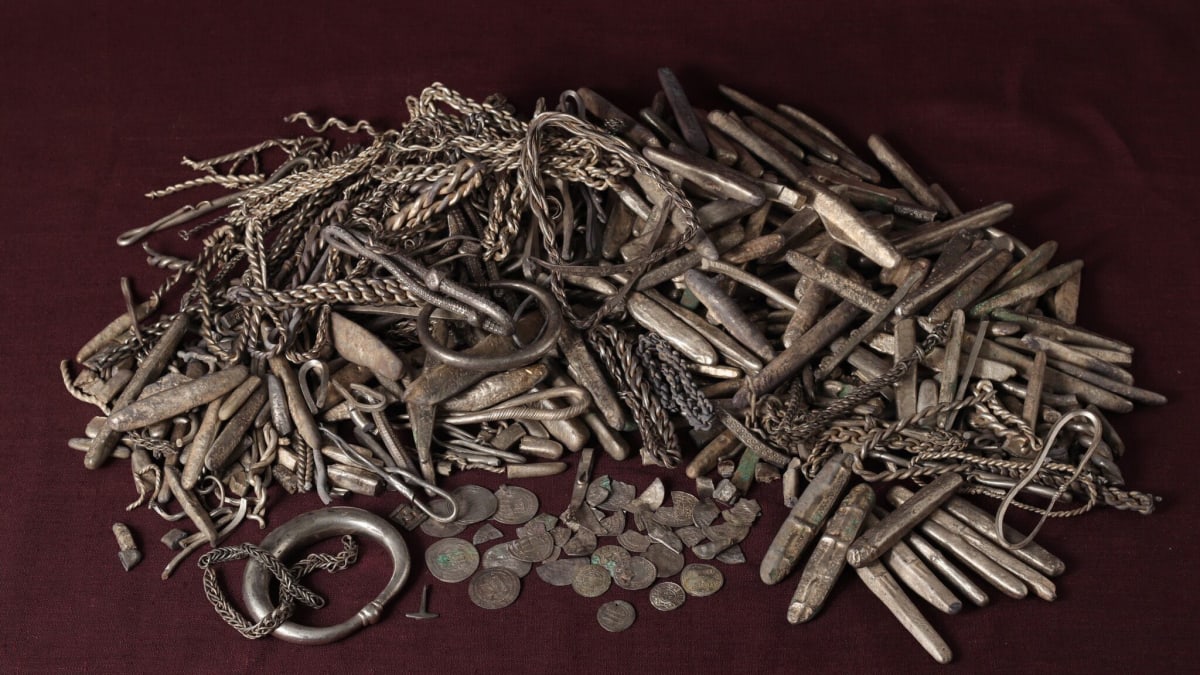
Among the discoveries were nail cleaners, hairpins, jewelry, and a military belt. The team also found bones of dogs and cats believed to have been family pets. One standout find was a bronze vessel handle shaped like a mysterious creature, quickly nicknamed "Norfolk Nessie" by the excavation team.
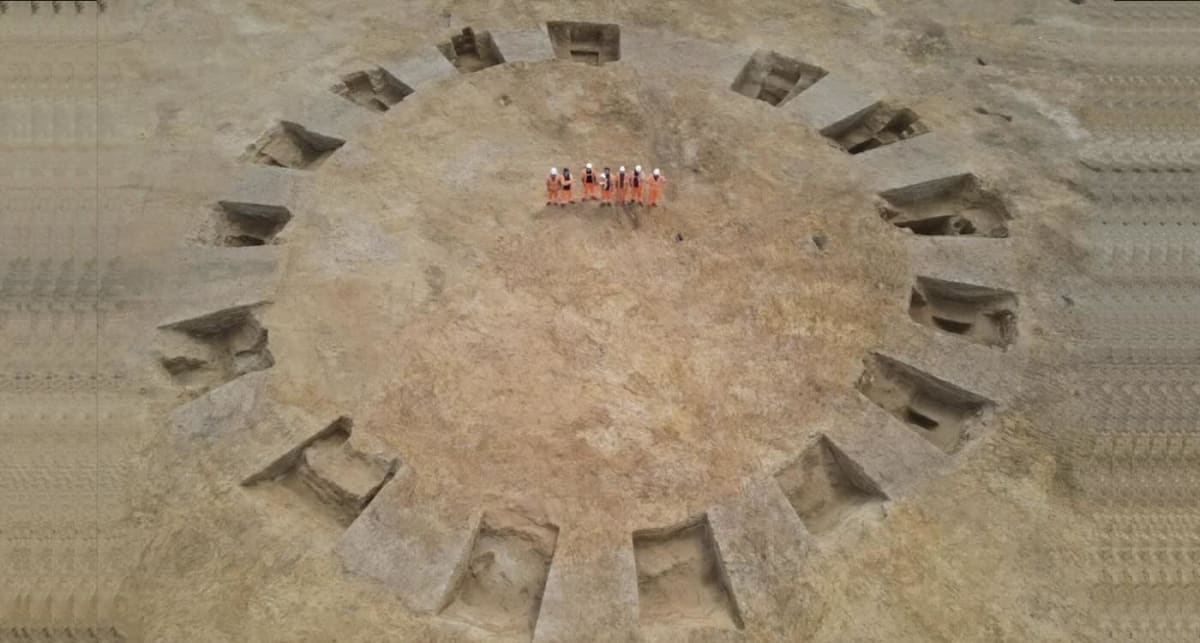
But the surprises didn't stop there. Further along the cable route, the archaeologists discovered a large Neolithic burial mound complete with an underground chamber filled with pottery and stone tools. They also uncovered a Bronze Age burial site and the remains of a medieval village confirmed through the Norman Domesday Book, an 11th-century land survey.
The Ripple Effect
This discovery showcases how modern infrastructure projects can coexist with historical preservation. While some developers try to hide archaeological finds to avoid delays, RWE embraced the discoveries and supported the careful excavation work.
"The archaeological campaign has revealed a remarkable story about how this landscape has changed over time," says project director Jon Darling. The findings will help researchers understand how people lived, worked, and built communities in Norfolk across thousands of years.
The artifacts are now being studied and will eventually help fill gaps in our understanding of British history from the Neolithic period through medieval times.
Wind power and ancient history turned out to be the perfect pair in Norfolk.
More Images

Based on reporting by Good News Network
This story was written by BrightWire based on verified news reports.
Spread the positivity!
Share this good news with someone who needs it