Wind Turbine Blades Can Now Be Fully Recycled
Energy company RWE is solving one of wind power's biggest waste problems by installing turbine blades that can be completely broken down and reused. The breakthrough could keep thousands of massive blades out of landfills.
Wind turbines have powered our clean energy future for decades, but their massive blades always ended up in one place: landfills. Now RWE is changing that story with blades designed to be recycled from day one.
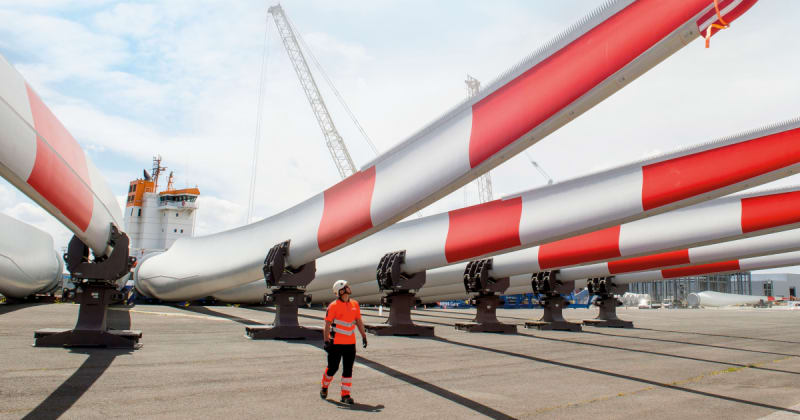
The problem has long puzzled the renewable energy industry. While most of a wind turbine can be recycled easily, the giant blades are made from composite materials that fuse together permanently, making them nearly impossible to separate and reuse.
RWE partnered with Siemens Gamesa on an elegant solution: a special resin that can be dissolved. Unlike traditional resins that create permanent bonds, this new material lets recyclers separate every component at the end of the blade's life.
The process is surprisingly straightforward. After workers remove the old blades, they place them in a warm, mild acid bath that dissolves the resin. The glass fibers, plastics, metals and wood separate cleanly, ready to be cleaned and reused in everything from car parts to bicycle helmets.
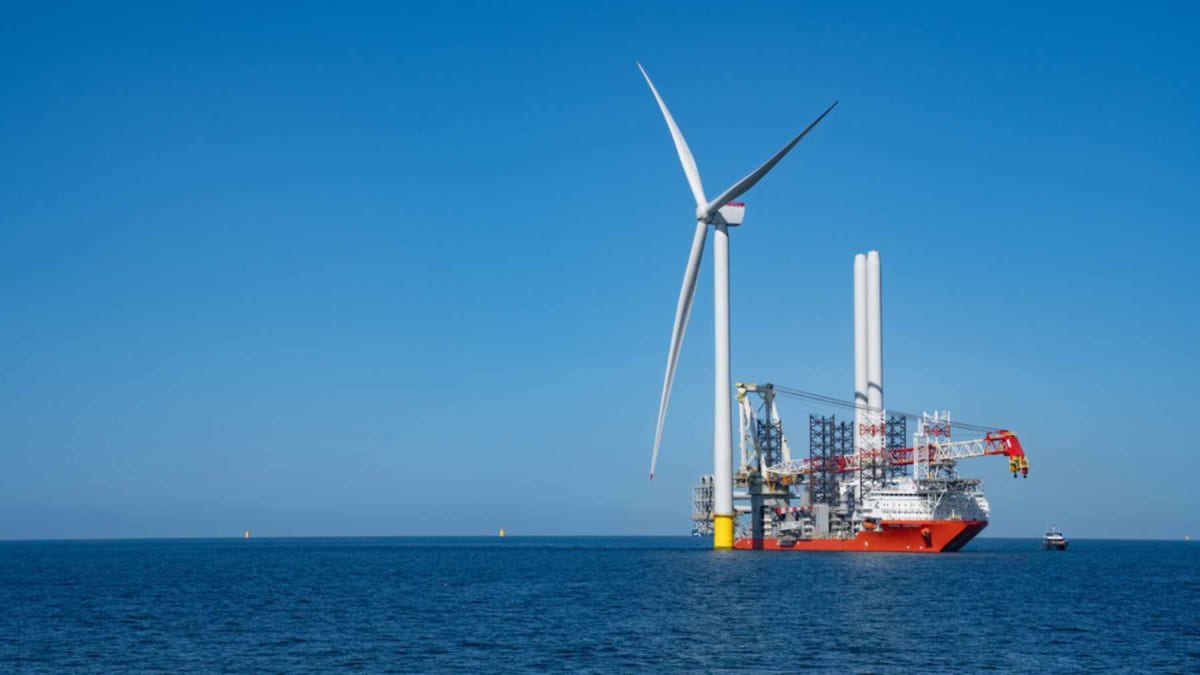
RWE isn't just testing this technology in a lab. The company equipped more than 50 turbines at its Sofia offshore wind farm with recyclable blades, marking the first large-scale use in the UK. At the Kaskasi wind farm, they pioneered the technology as a testing ground for future projects.
The Danish Thor project takes the concept even further. RWE plans to install 40 turbines with 120 recyclable blades, combining them with steel towers made from low-carbon materials.
The Ripple Effect
This innovation reaches far beyond keeping old turbine blades out of dumps. By proving that massive industrial components can be designed for complete recyclability, RWE is setting a new standard for the entire wind energy sector.
Other manufacturers are already watching closely. As more companies adopt "design for recycling" principles, future generations of renewable energy equipment will create virtually no waste. The approach protects natural resources while making clean energy even cleaner.
The breakthrough also opens doors for other industries struggling with composite material waste, from aerospace to shipping. What works for a 200-foot turbine blade could transform how we build and dispose of everything from boat hulls to aircraft parts.
Why It Matters Now
As thousands of first-generation wind turbines reach retirement age in the coming decade, this technology arrives at exactly the right moment. Without recyclable solutions, experts estimated that 2 million tons of blade waste would pile up in landfills by 2050. RWE's approach offers a path to zero waste instead.
The recycled materials don't just disappear into lower-grade products either. The high-quality fibers and components can serve in demanding applications, from automotive manufacturing to consumer electronics, giving them a second life just as valuable as their first.
Wind power is proving it can be truly sustainable from start to finish.
Based on reporting by Google News - Wind Energy
This story was written by BrightWire based on verified news reports.
Spread the positivity!
Share this good news with someone who needs it