Woman Scientist Sparked Agricultural Revolution in 1960s
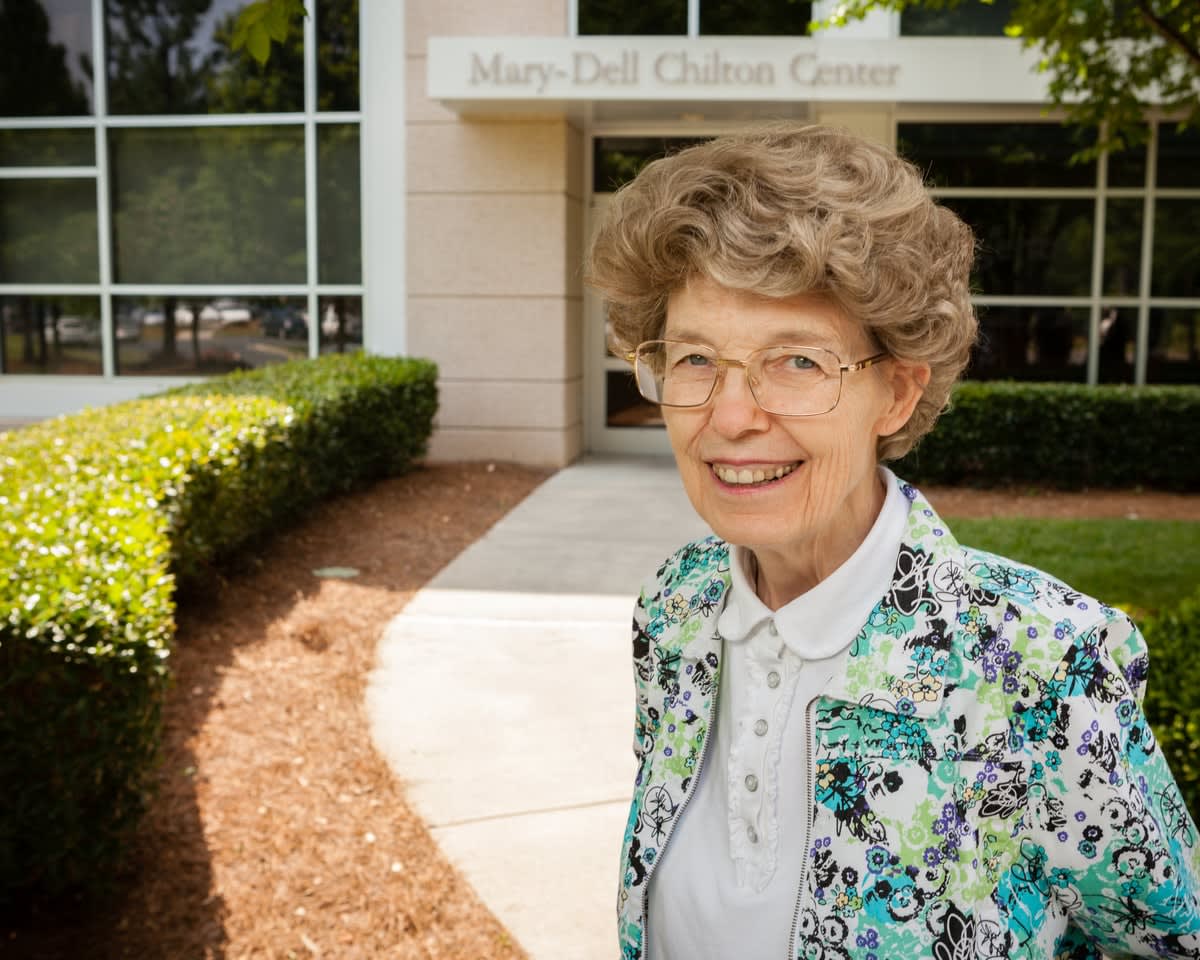
At a time when few women pursued chemistry PhDs, Mary-Dell Chilton broke barriers and helped revolutionize how we grow food. Her groundbreaking work with a tiny rod-shaped microbe opened doors for safer, more sustainable agriculture.
When Mary-Dell Chilton walked into graduate school in 1960 to study chemistry, she was already defying expectations. Women in science were rare, and molecular biology was barely understood.
But Chilton had her sights set on something extraordinary. She wanted to unlock the mysteries hidden inside DNA's elegant double helix structure.
Her persistence paid off in ways that would change agriculture forever. Working with Agrobacterium, a rod-shaped microbe, Chilton discovered how bacteria could transfer genes into plants naturally.
This wasn't just academic curiosity. Her research revealed a mechanism that scientists could harness to improve crops without harmful chemicals or intensive breeding programs.
At a time when the scientific establishment rarely welcomed women, Chilton carved out space for groundbreaking discovery. She navigated a male-dominated field while pursuing questions that would eventually feed millions.
Her work laid the foundation for modern agricultural biotechnology. Today, scientists use techniques pioneered by Chilton to develop drought-resistant crops, reduce pesticide use, and improve nutritional content in staple foods.
The Ripple Effect
Chilton's legacy extends far beyond the laboratory. Her discoveries helped launch an agricultural revolution that continues to address global food security challenges.
Farmers worldwide now grow crops developed using the genetic techniques she helped pioneer. These innovations have reduced environmental impacts while increasing yields to feed growing populations.
Perhaps equally important, Chilton opened doors for countless women in science. She proved that persistence and curiosity matter more than conforming to outdated expectations about who belongs in a research lab.
Her journey from one of few women in chemistry to a pioneer of agricultural science shows what becomes possible when talent meets opportunity. Young scientists today, regardless of gender, stand on foundations she helped build.
The rod-shaped microbe she studied turned out to hold keys to sustainable agriculture. But it was Chilton's vision and determination that unlocked those doors for everyone.
More Images

Based on reporting by Google News - Science
This story was written by BrightWire based on verified news reports.
Spread the positivity!
Share this good news with someone who needs it