World's Largest Camera Begins 10-Year Universe Movie
A car-sized camera atop a Chilean mountain just started filming the southern sky every night for the next decade. Scientists expect to discover millions of cosmic changes daily and maybe even solve the universe's biggest mysteries.
The world's largest digital camera has started rolling on the most ambitious space documentary ever attempted.
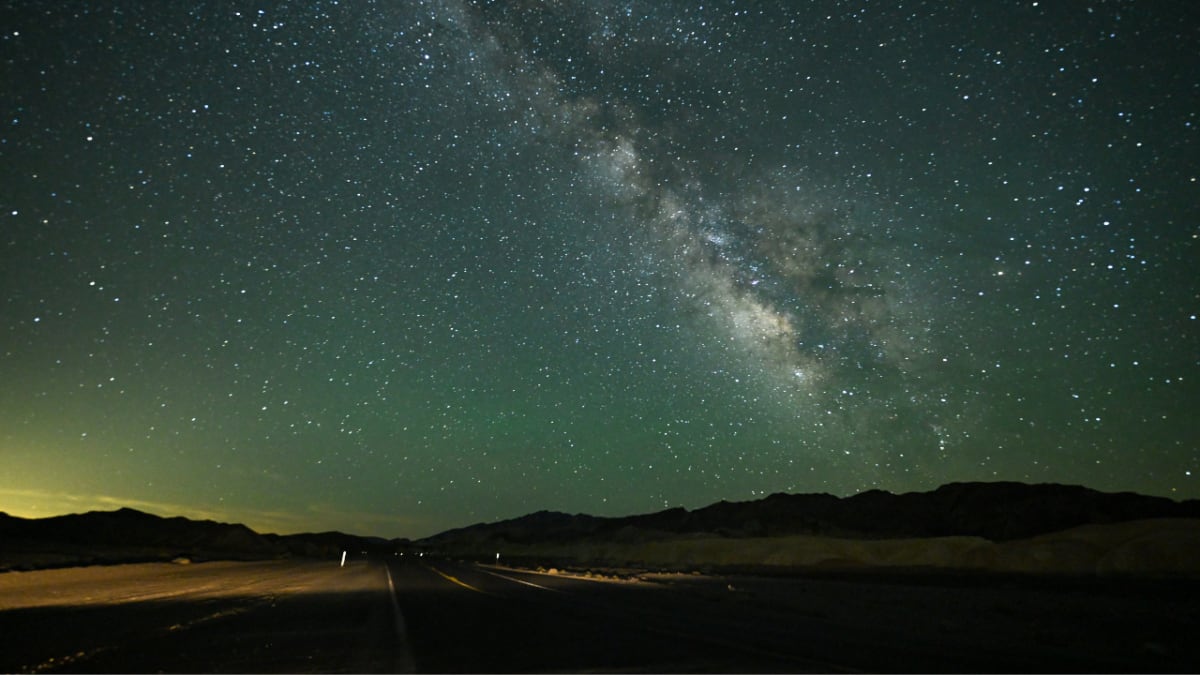
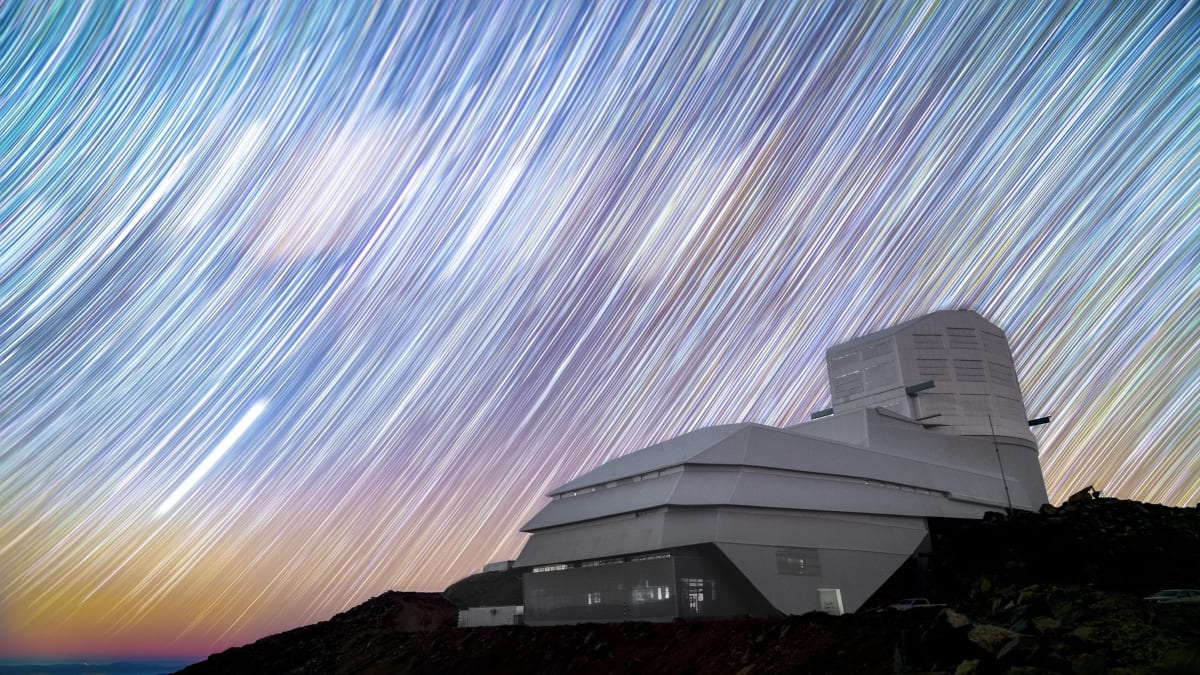
This week, the Vera C. Rubin Observatory in Chile officially launched its Legacy Survey of Space and Time. For the next 10 years, its massive 3,200-megapixel camera will photograph the entire southern sky every single night, creating a stop-motion movie of our changing universe.
Every 30 seconds, the camera will snap another frame. Within two minutes of each shot, scientists will process the data and compare it to archive images of that same patch of sky. If something exploded, moved, or appeared out of nowhere, the team will send an alert to astronomers and space enthusiasts worldwide.
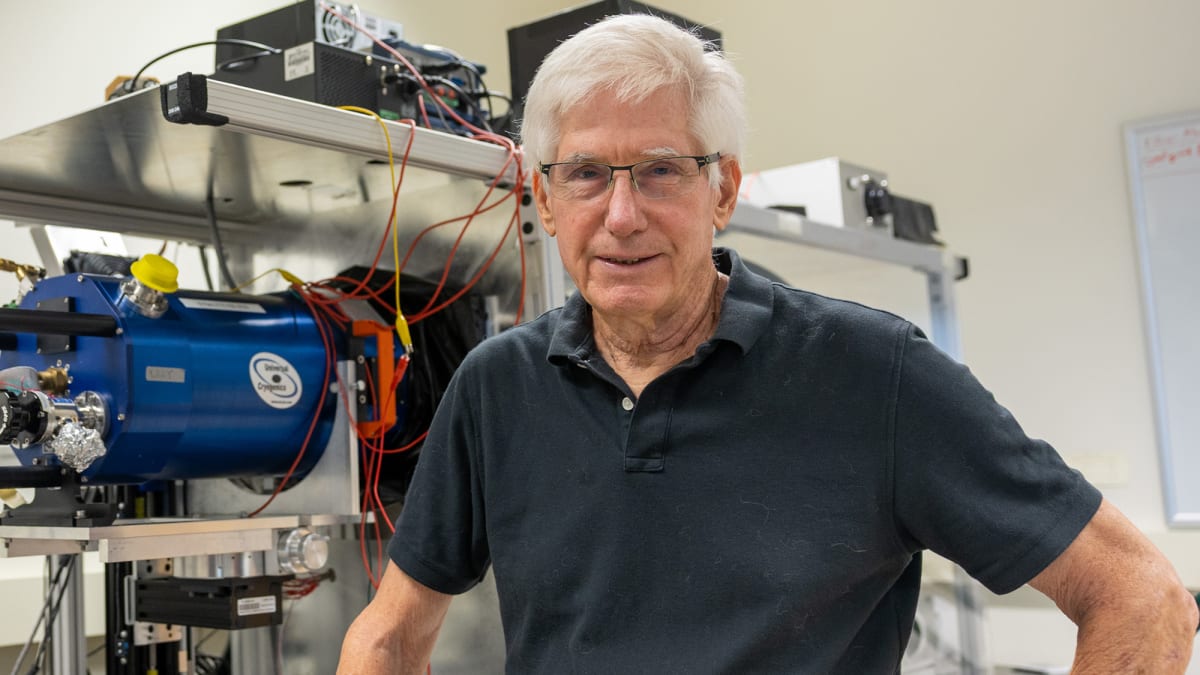
"In a sense, we're taking a digital color motion picture of the universe," Tony Tyson, the survey's chief scientist, told reporters. The best part? All the data will be publicly available, meaning anyone can watch the universe unfold in real time.
The numbers are staggering. Scientists expect to spot between 7 and 8 million changes among the stars each night. Flashing supernovas, streaking comets, colliding galaxies, tumbling asteroids. Over 10 years, the survey will collect tens of trillions of observations.
Tyson believes the flood of data could finally unmask the invisible 95% of our universe composed of dark matter and dark energy. But he's even more excited about what they don't expect to find.
"My hope is that we will discover something unexpected that will revolutionize astronomy," Tyson said. "I think it's more than a hope, I think it's a guarantee."
Why This Inspires
The Rubin Observatory represents everything beautiful about human curiosity. Scientists deliberately designed the system to share discoveries with everyone, not just elite institutions. Within minutes of spotting something strange in the cosmos, amateur astronomers in their backyards will have access to the same data as Harvard researchers.
Tyson created eight specialized "data brokers" that will sort discoveries by type. Anyone can subscribe to feeds tracking supernovas, moving objects, or Tyson's personal favorite: the "unknown" category for things that defy classification.
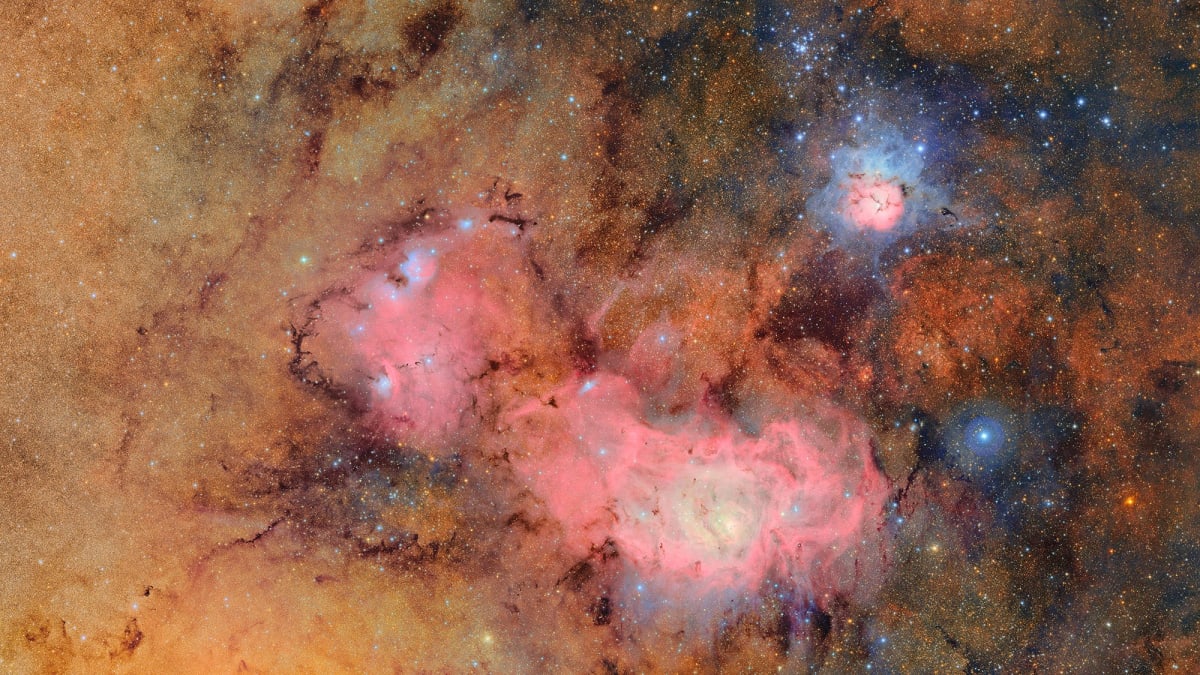
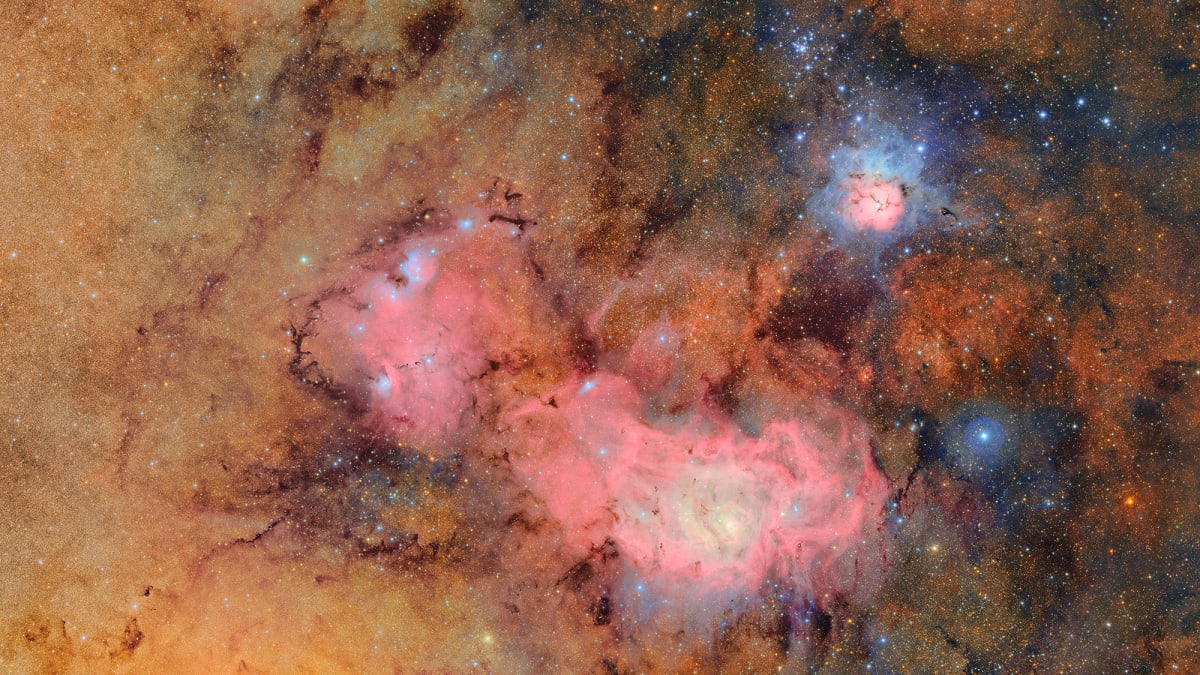
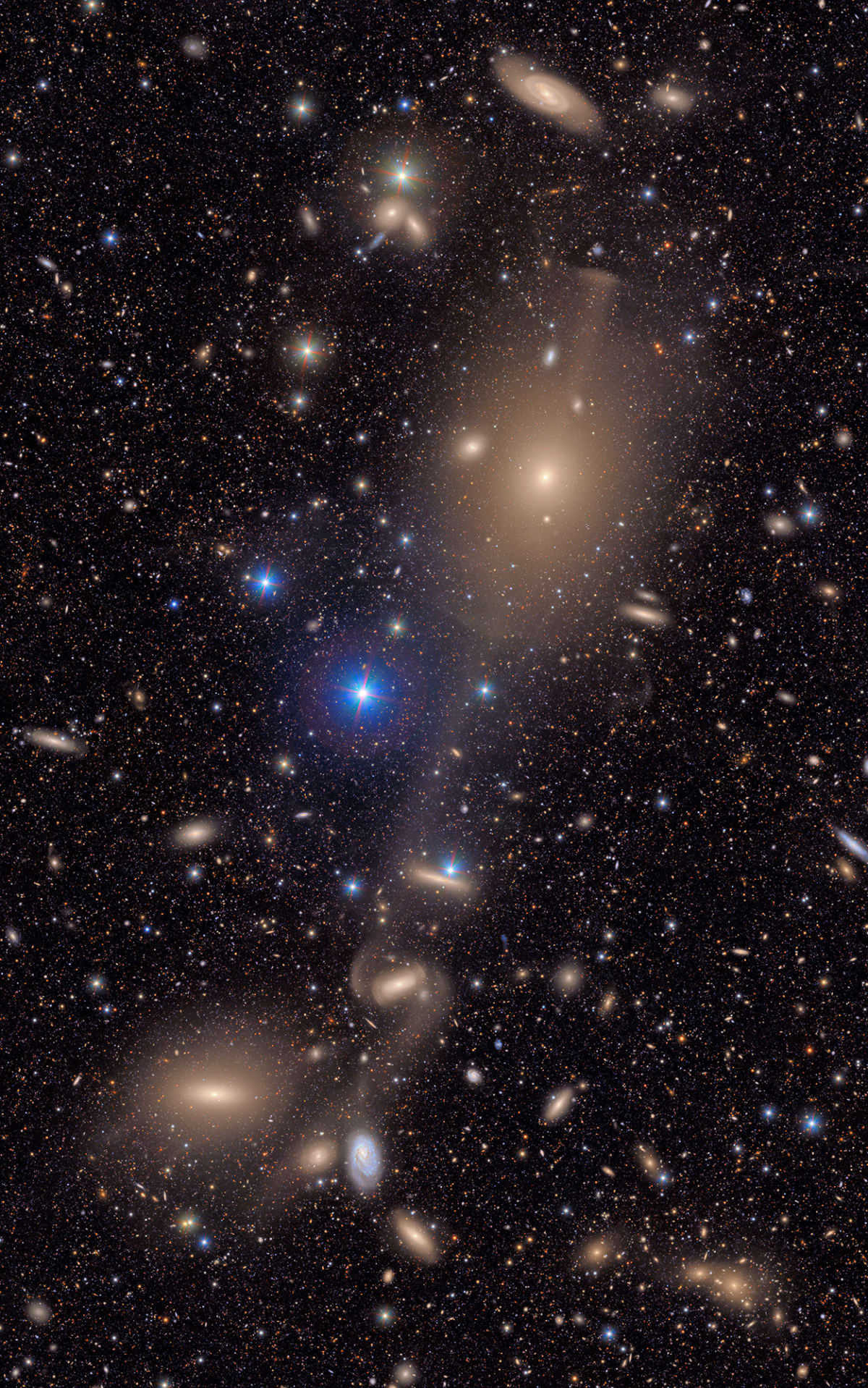
The first images released in June 2025 already captured more than 10 million galaxies. Now the real show begins, with thousands of 30-second exposures every clear night for a decade.
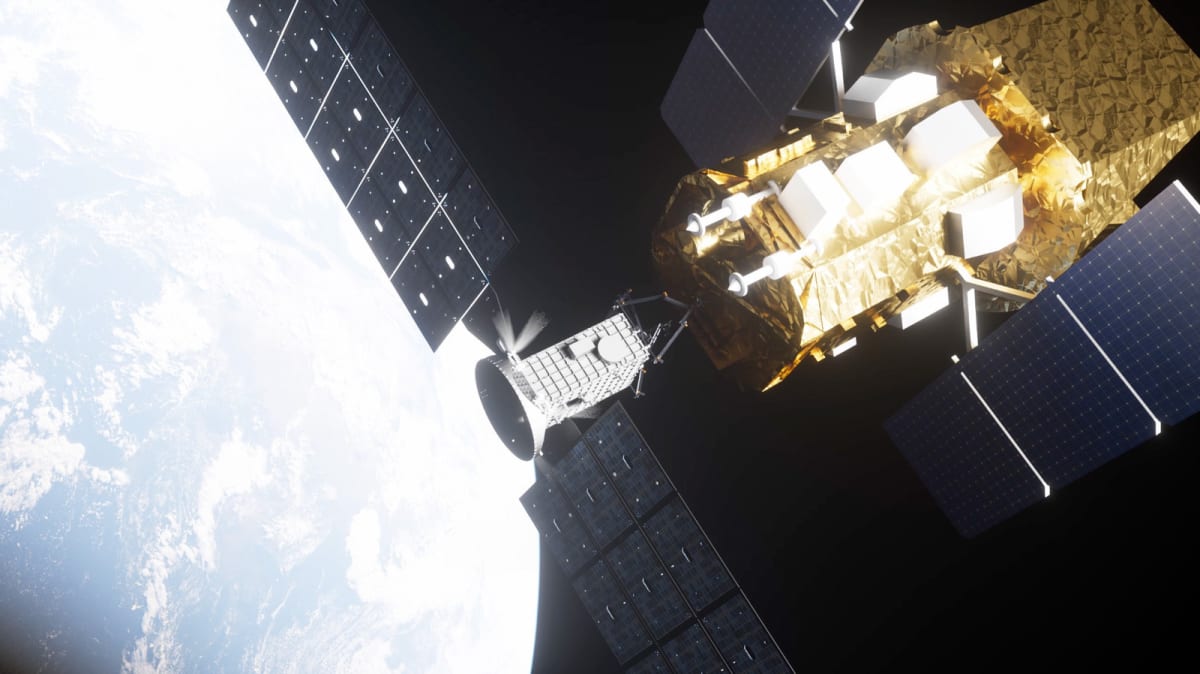
Some technical challenges remain, including concerns about ultra-bright corporate satellites interfering with observations. But the team plans to gradually increase sky coverage and image quality over the coming months.
A century from now, Tyson believes astronomers will remember this survey not just for solving dark energy puzzles, but for discovering something completely unexpected that changes how we see the cosmos.
More Images
Based on reporting by Google News - Science
This story was written by BrightWire based on verified news reports.
Spread the positivity!
Share this good news with someone who needs it