NASA Rescues Falling Telescope With Robotic Space Mission
A robotic spacecraft launched from a plane 40,000 feet in the air to save a telescope that's been unlocking cosmic mysteries for over 20 years. The daring rescue mission will pull the Swift Observatory back into orbit and extend its life by a decade.
A telescope that helped prove your jewelry came from exploding stars is getting a dramatic second chance at life, thanks to a robotic rescue mission unlike anything NASA has attempted before.
The Swift Boost mission launched July 3rd from the Marshall Islands in spectacular fashion. A plane called Stargazer carried a rocket attached to its belly to 40,000 feet, released it mid-air, and watched it blast a rescue robot named LINK into space. Ground teams made contact with LINK within hours, marking the mission's crucial first success.
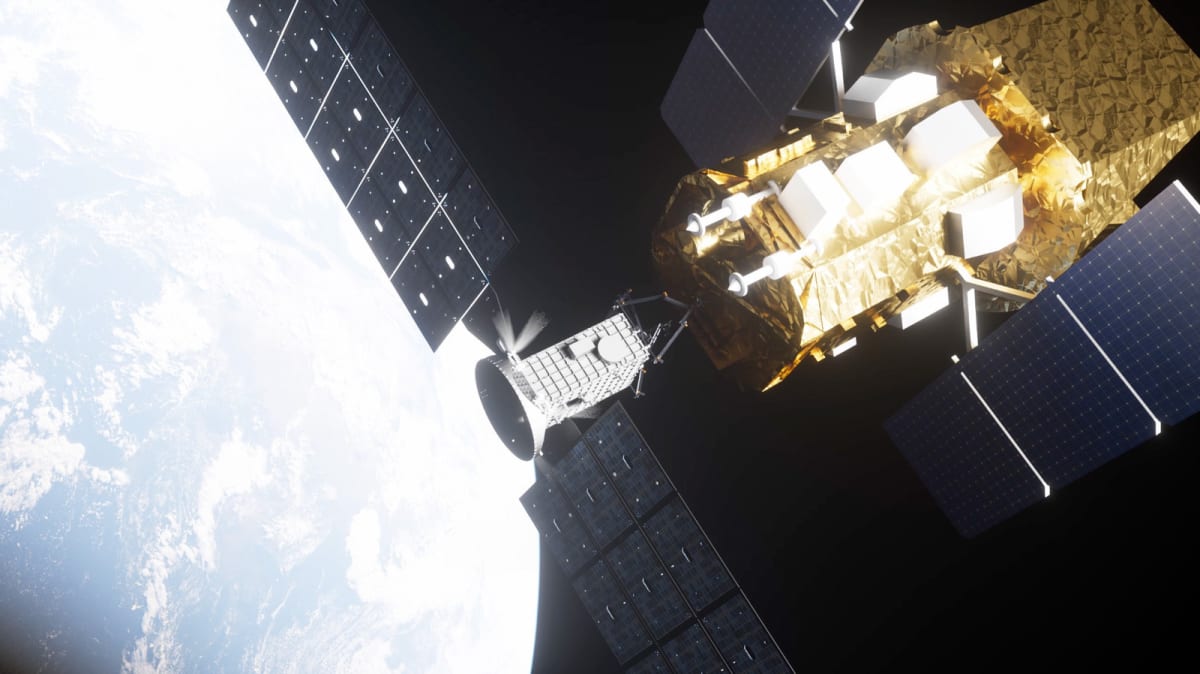
LINK now faces an ambitious challenge over the next few months. The robotic spacecraft, built by Arizona company Katalyst Space, will travel to the falling Neil Gehrels Swift Observatory, survey its condition, and then grab it with three robotic arms. Once secured, LINK will tug the observatory upward to a new orbit about 370 miles high, a journey expected to take 10 to 12 weeks.
The rescue couldn't come at a better time. Swift was falling much faster than expected because of recent solar activity heating and expanding Earth's atmosphere. Without intervention, the observatory would have tumbled from orbit by the end of this year, ending a remarkable two-decade mission.
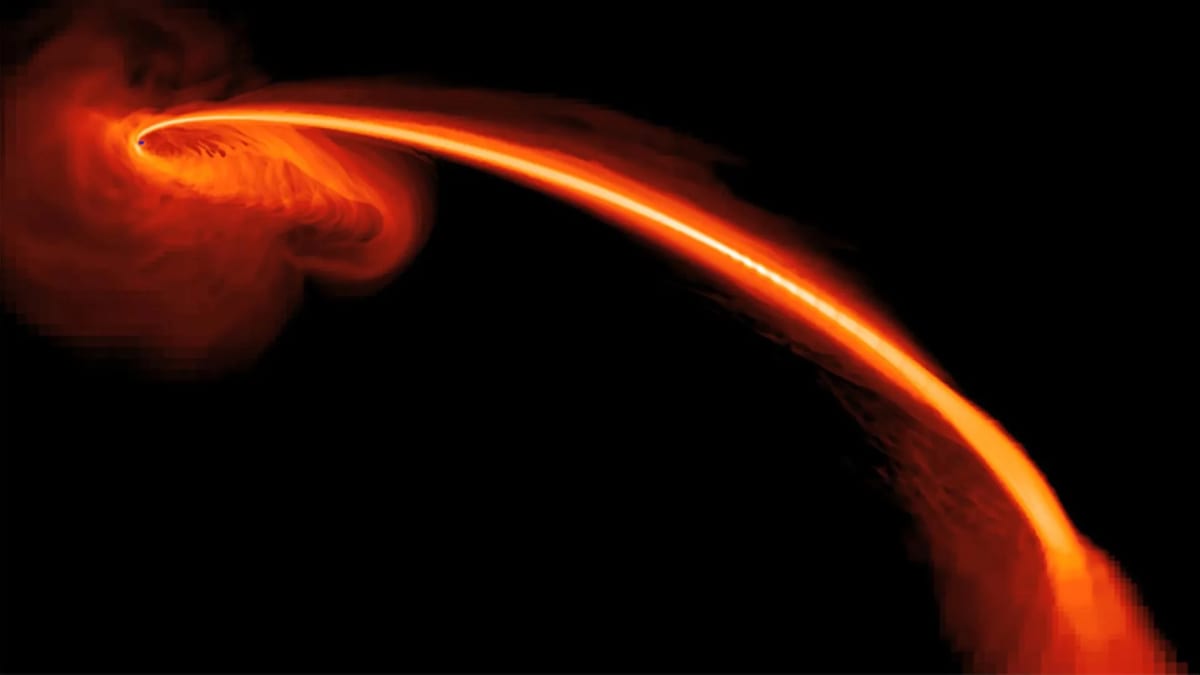
Swift has been humanity's window into some of the universe's most violent and beautiful events. The telescope studies gamma ray bursts, which are flashes of energy so powerful they release more light in seconds than our sun will produce in its entire lifetime. These bursts happen when massive stars explode or collide.
The observatory's discoveries changed what we know about the universe. Swift confirmed that the heaviest elements on Earth, including the gold and platinum in our rings and necklaces, were forged in these cosmic explosions. Scientists also use Swift as a cosmic first responder, rushing to gather data whenever sudden astronomical events occur.
The Ripple Effect
Saving Swift means preserving decades of astronomical knowledge and keeping a crucial tool active for discoveries yet to come. The mission also proves something bigger: when valuable scientific instruments face danger, we now have the technology to reach up and pull them back to safety. This successful rescue could become a blueprint for extending the lives of other aging satellites and telescopes, multiplying the return on billions of dollars in space investment.
Over the next few weeks, engineers will run health checks on LINK's propulsion, sensors, and navigation systems before it begins its journey to Swift.
A telescope that's spent 20 years watching stars explode is about to get rescued by the very ingenuity those cosmic discoveries inspired.
More Images



Based on reporting by Engadget
This story was written by BrightWire based on verified news reports.
Spread the positivity!
Share this good news with someone who needs it