World's Largest Electric Ship Completes First Trials
A 130-meter battery-powered ferry just sailed under its own power in Australia, proving that massive commercial vessels can run entirely on electricity. The ship carries enough battery capacity to transport 2,100 passengers and 225 vehicles across the ocean.
The world's largest electric ship just proved that massive ocean vessels can run without a single drop of fuel.
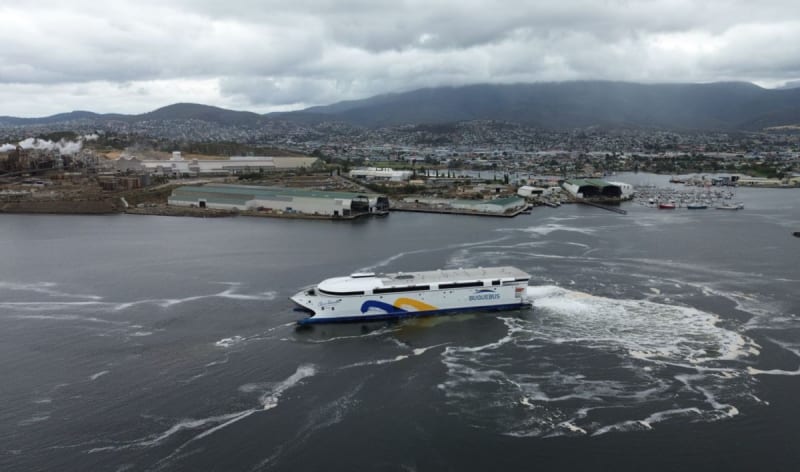
Australian shipbuilder Incat Tasmania powered up Hull 096 last week for harbor trials on the River Derwent in Hobart. The 130-meter aluminum ferry glided through the water on battery power alone, marking the first time a vessel this size has operated without fossil fuels.
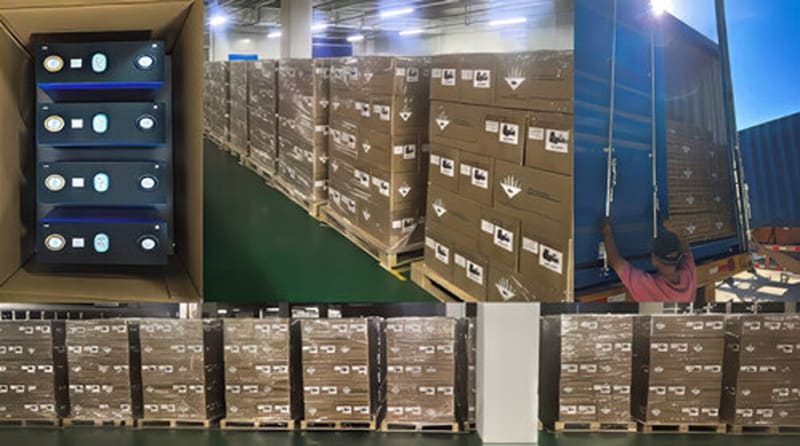
The numbers are staggering. More than 5,000 batteries provide 40 megawatt-hours of installed capacity, enough to move up to 2,100 passengers and 225 vehicles across the water. When South American ferry operator Buquebus takes delivery later this year, it will become the largest aluminum ferry ever constructed.
"Moving Hull 096 under its own battery-electric power is a world first at this scale and confirms that electric propulsion is viable for large commercial vessels," said Incat Chairman Robert Clifford. His team spent months preparing for this moment, and the successful trial marks what he calls "a major step forward for large-scale electric shipping."
The harbor trials involve carefully controlled movements that test everything from propulsion to maneuverability. Crews are monitoring control systems and onboard operational performance in real-world conditions, gathering data that will shape the future of sustainable shipping.
The Ripple Effect
This breakthrough matters far beyond one impressive ferry. The shipping industry produces about 3% of global carbon emissions, roughly equal to an entire major economy. Proving that large commercial vessels can operate on batteries alone opens the door for cleaner oceans and coastal cities with better air quality.
The technology is already influencing other shipbuilders and ferry operators watching these trials closely. If a 130-meter vessel carrying thousands of passengers can run on batteries, smaller ships have no excuse to wait.
Incat will continue testing and commissioning Hull 096 before its delivery to South America, where it will begin regular passenger service. Every voyage will demonstrate that the future of shipping doesn't have to pollute the planet.
More Images
Based on reporting by PV Magazine
This story was written by BrightWire based on verified news reports.
Spread the positivity!
Share this good news with someone who needs it