World's Largest Whale Graveyard Found in Indian Ocean
Chinese scientists diving 7,000 meters deep discovered nearly 500 whale skeletons supporting thriving ecosystems on the ocean floor. The ancient graveyard, with fossils dating back 5.3 million years, includes a newly identified extinct whale species and reveals how nature creates life from death.
Scientists just found an underwater city of the dead that's actually bursting with life.
Chinese researchers discovered the world's largest whale graveyard at the bottom of the Indian Ocean, where hundreds of ancient skeletons have created bustling neighborhoods for deep-sea creatures. The find stretches across a 1,200-kilometer corridor west of Australia, making it the deepest and oldest whale cemetery ever documented.
Lead scientist Xiaotong Peng from the Chinese Academy of Sciences said the team was "astonished" by what they found. "Discovering a necropolis of this scale was completely unexpected," she explained.
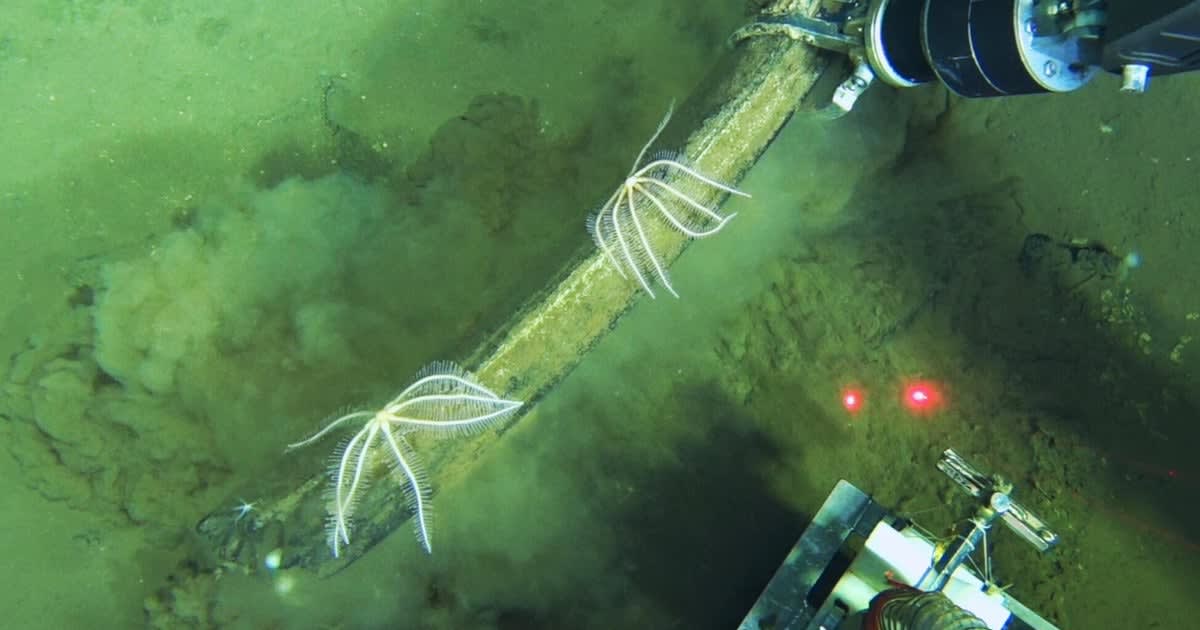
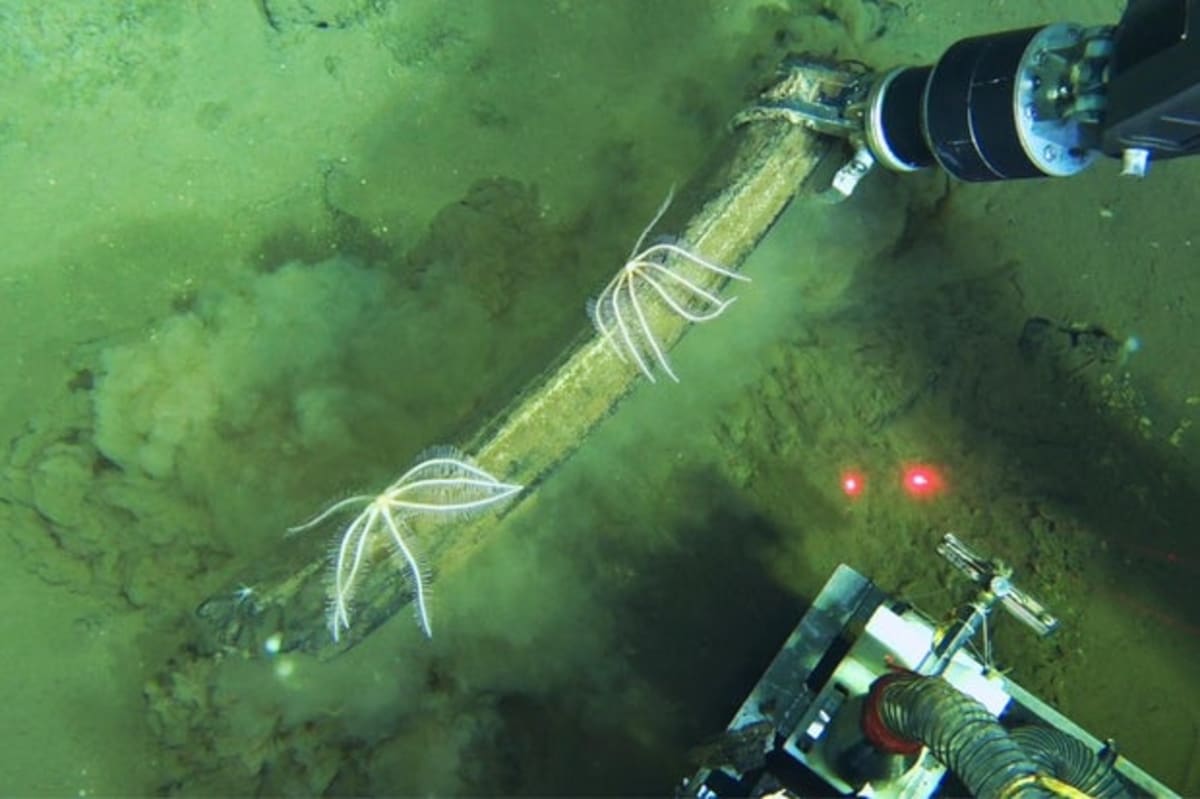
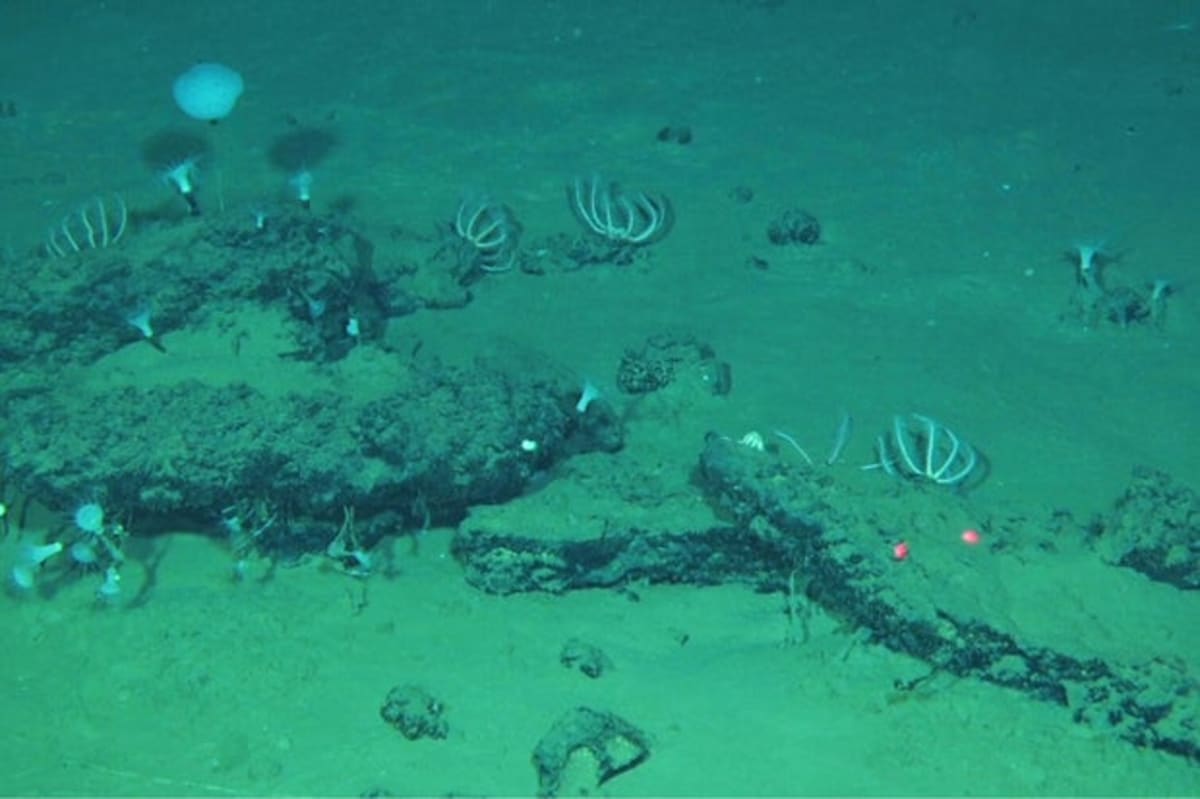
The Fendouzhe submersible carried up to three people on 32 dives in 2023, using robotic arms to collect samples from depths reaching 7,000 meters. Through the sub's windows, researchers witnessed jellyfish, brittle stars, bone-boring worms, and mollusks thriving on the whale carcasses.
Nearly 500 fossils were cataloged, mostly from different beaked whale species. Among them, scientists identified a completely new species of whale, now extinct.
The area became a whale graveyard because it's a popular feeding ground with a V-shaped trench that naturally funnels dead whales to the seafloor. When whales die and sink, their bodies become "whale falls" that feed deep-sea life for decades or even centuries.
Scientists estimate more than 10 million whale carcasses could be scattered across the Diamantina Zone. These remains hold roughly 6.7 million tonnes of sequestered carbon in their bones and tissue.
Why This Inspires
This discovery shows how nature wastes nothing. What seems like an ending becomes a beginning for thousands of creatures living in the ocean's darkest depths.
The whale falls create ecosystems similar to hydrothermal vents, where life thrives without sunlight. Some animals living on the carcasses also inhabit vents and cold seeps, suggesting whale bodies might help connect isolated deep-sea communities across vast distances.
University of Hawaii oceanographer Craig Smith, who discovered the first whale fall in 1987, called the find "extremely exciting" and "of major importance to understanding whale evolution." Paleontologist Stephen Godfrey compared it to the groundbreaking 1977 discovery of hydrothermal vents teeming with life.
Researcher Amy Baco-Taylor noted the finding will help scientists understand how human whaling may have reduced these chemosynthetic communities. The discovery suggests similar hidden graveyards might exist throughout the world's deep oceans, waiting to be explored.
Co-author Peng Zhou described witnessing the site as "a truly incredible experience." "The vibrant ecosystems we saw offered a completely different perspective on this otherwise dark and cold ocean floor."
Even in the deepest, darkest places on Earth, life finds a way to flourish.
More Images
Based on reporting by Google News - Science
This story was written by BrightWire based on verified news reports.
Spread the positivity!
Share this good news with someone who needs it