World's Oldest Ribbon Worm Turns 27, Baffling Scientists
A ribbon worm named Baseodiscus the Eldest just shattered age records at 27 years old, revealing how little we know about these mysterious ocean creatures. Scientists say these seafloor predators might live for centuries.
For nearly three decades, a ribbon worm has been quietly rewriting the record books in a saltwater tank at William & Mary.
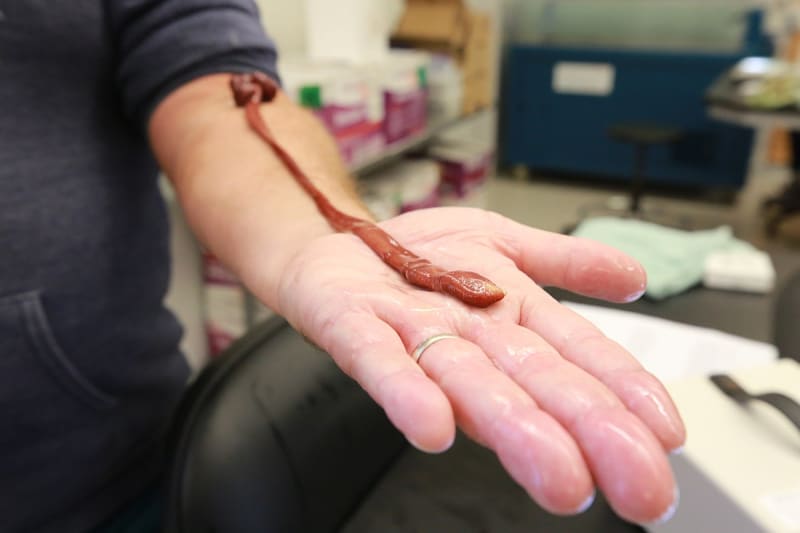
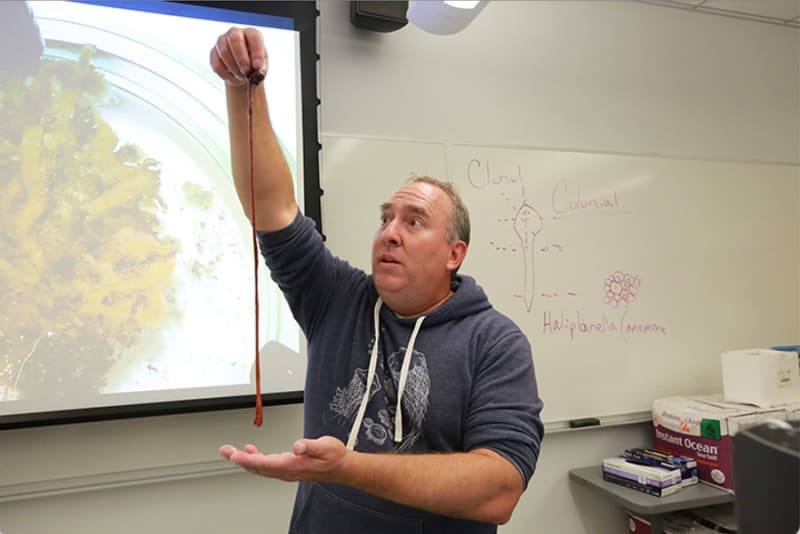
Each year, marine biology professor Jon Allen carefully scoops through mud and anemones to find his prized teaching assistant: a three-foot-long ribbon worm affectionately called B. At a minimum of 27 years old, B just became the oldest known ribbon worm on record, shattering the previous record of three years.
The discovery happened almost by accident. When undergraduate student Chloe Goodsell noticed the worm during class in 2023, she asked Allen a simple question: how old is it? Nobody knew the answer.
That curiosity sparked a research paper revealing just how mysterious these creatures remain. Ribbon worms live on seafloors and rocky shores, growing to incredible lengths. Some species stretch 180 feet long, twice the size of a blue whale.
B came from waters off North Carolina in the late 1990s and survived a building renovation before landing in Allen's lab. The worm thrives without special care, likely snacking on peanut worms sharing its tank while scientists learn from its longevity.
Why This Inspires
Allen believes B might be average for its species, not exceptionally old. Other marine invertebrates live astonishing lifespans: deep-sea tube worms reach 300 years, and one Icelandic clam lived past 500.
As top predators with large body sizes, ribbon worms share traits with other long-lived species. Allen wonders if they could routinely live 100, 200, or even 300 years.
The discovery gives scientists crucial baseline information for understanding reproduction rates and how these voracious predators shape ocean ecosystems. Every year B survives extends our knowledge of what's possible in the animal kingdom.
Goodsell, now pursuing her PhD, sees bigger lessons in studying humble creatures. Understanding why different organisms evolve long lifespans could unlock secrets about aging itself.
Allen checks on B each year, never knowing if the worm will still be there. For now, this unassuming ribbon of muscle and mystery keeps teaching us that Earth's simplest looking creatures often hold its most profound secrets.
More Images


Based on reporting by Scientific American
This story was written by BrightWire based on verified news reports.
Spread the positivity!
Share this good news with someone who needs it
%2Fhttps%3A%2F%2Ftf-cmsv2-smithsonianmag-media.s3.amazonaws.com%2Ffiler_public%2F3b%2Ff9%2F3bf963ae-c158-4aa5-bf52-4165a34fdef3%2Fhairy-new-fish-species-1.jpg)