Yellowstone Mystery Solved: Scientists Map Supervolcano Power
Scientists have cracked a major puzzle about what fuels Yellowstone's massive volcanic system, and the answer could help predict future eruptions. New research reveals the supervolcano is powered by forces completely different than experts previously believed.
Scientists just solved a mystery that's puzzled geologists for decades: what powers one of Earth's most famous supervolcanoes.
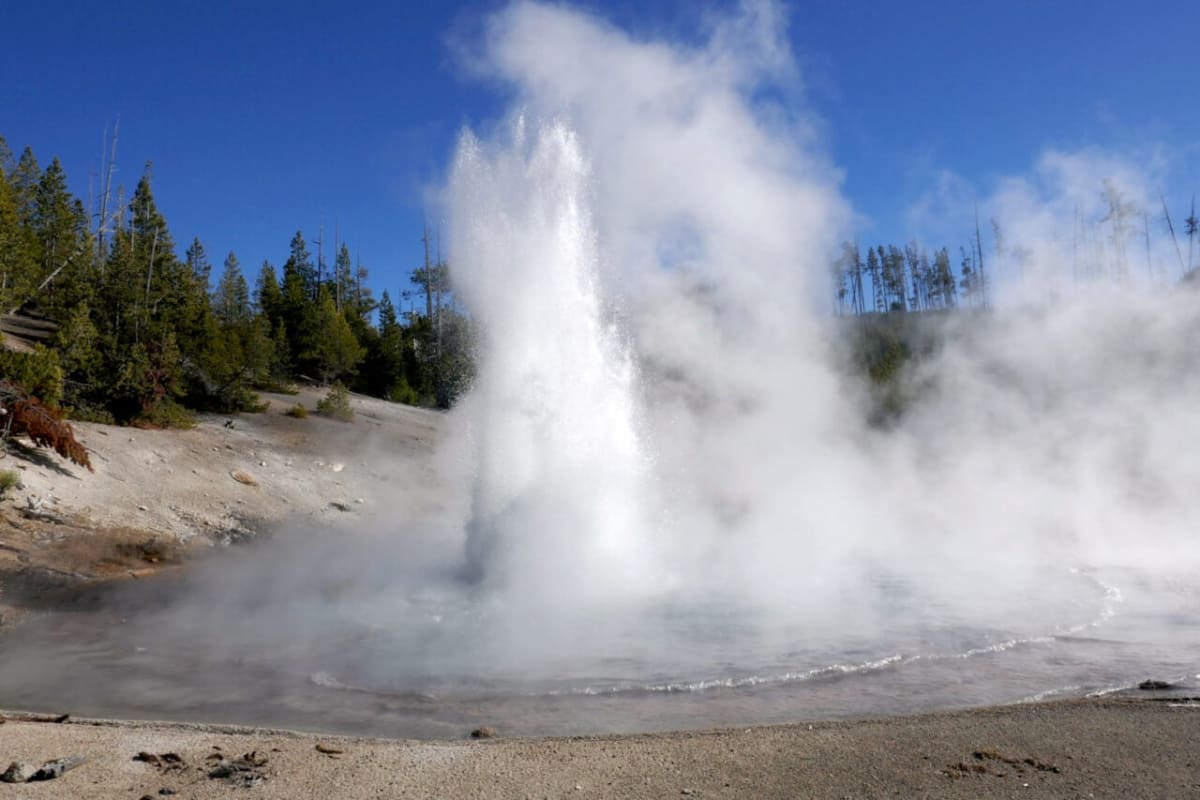
Yellowstone National Park sits on top of a massive volcanic system capable of eruptions far larger than typical volcanoes. For years, researchers wondered how this giant volcano formed in the middle of a continent, far from the shifting tectonic plates that usually create volcanic activity.
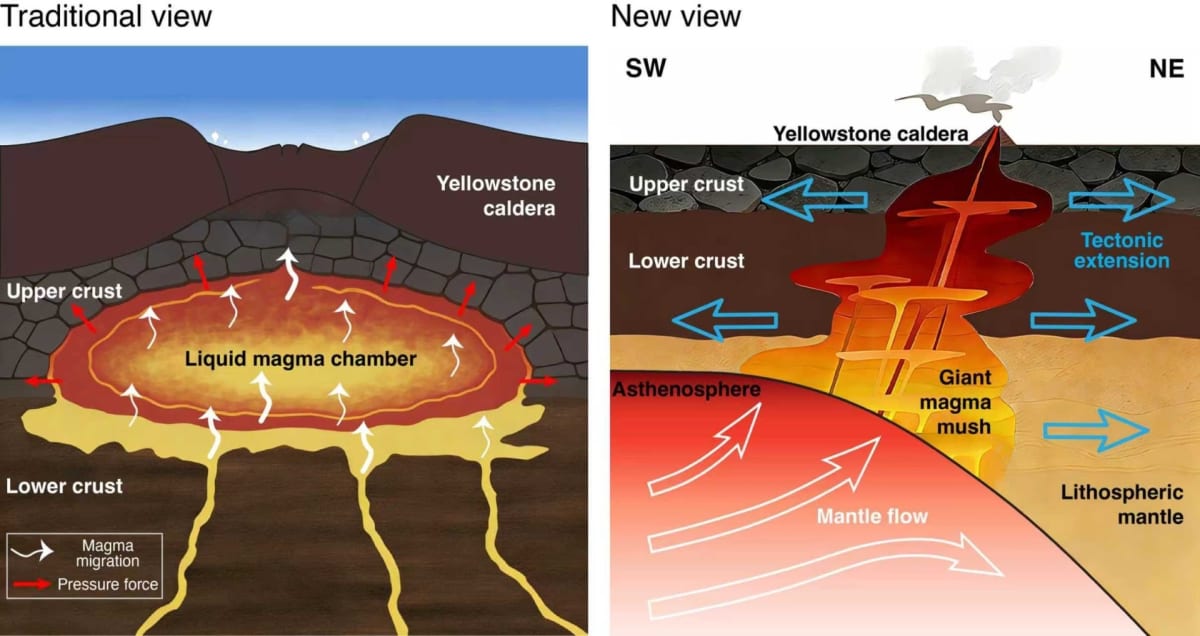
A team from the Chinese Academy of Sciences built a detailed 3D model of Yellowstone's underground structure and discovered something surprising. The supervolcano isn't powered by a deep plume of rising hot material from Earth's core, as many scientists thought. Instead, tectonic forces stretching the planet's outer layer draw magma from much shallower sources in the upper mantle.
Think of it like squeezing a tube of toothpaste versus pulling taffy apart. The pulling motion creates just the right conditions for rocks to melt and magma to form. That magma then travels through a complex network of channels and chambers toward the surface, guided by the same tectonic forces that created it.
The research team published their findings in Science, showing how magma moves through this intricate underground plumbing system. Rather than a single giant chamber of molten rock, Yellowstone operates more like a sophisticated pipeline with multiple reservoirs at different depths.
This discovery matters for more than just understanding one famous volcano. The new model could help scientists better predict when active volcanic systems might erupt and assess the risks they pose to nearby communities.
Why This Inspires
Before you worry, Yellowstone isn't overdue for an eruption. Its last major blast happened 630,000 years ago, and scientists aren't expecting another one anytime soon. But now researchers have a much better understanding of what makes supervolcanoes tick.
The breakthrough shows how patient scientific detective work pays off. By carefully modeling Earth's hidden layers and testing different theories, researchers can unlock secrets buried miles beneath our feet. Each answer brings us closer to reading the warning signs our planet provides.
This kind of progress helps communities living near active volcanoes prepare and stay safe. Understanding the engine that drives these powerful geological features transforms them from unpredictable threats into systems we can monitor and anticipate.
Knowledge turns fear into preparedness, and that's something worth celebrating.
More Images
Based on reporting by Google News - Science
This story was written by BrightWire based on verified news reports.
Spread the positivity!
Share this good news with someone who needs it