Your Backyard Camera Could Discover New Meteor Showers
Scientists need your help tracking shooting stars to unlock the solar system's hidden history. New camera networks let everyday astronomy lovers contribute real scientific discoveries from their own backyards.
Imagine discovering a brand new meteor shower from your backyard. Thanks to growing camera networks tracking shooting stars, everyday astronomy enthusiasts can now help scientists unlock secrets about our solar system's past.
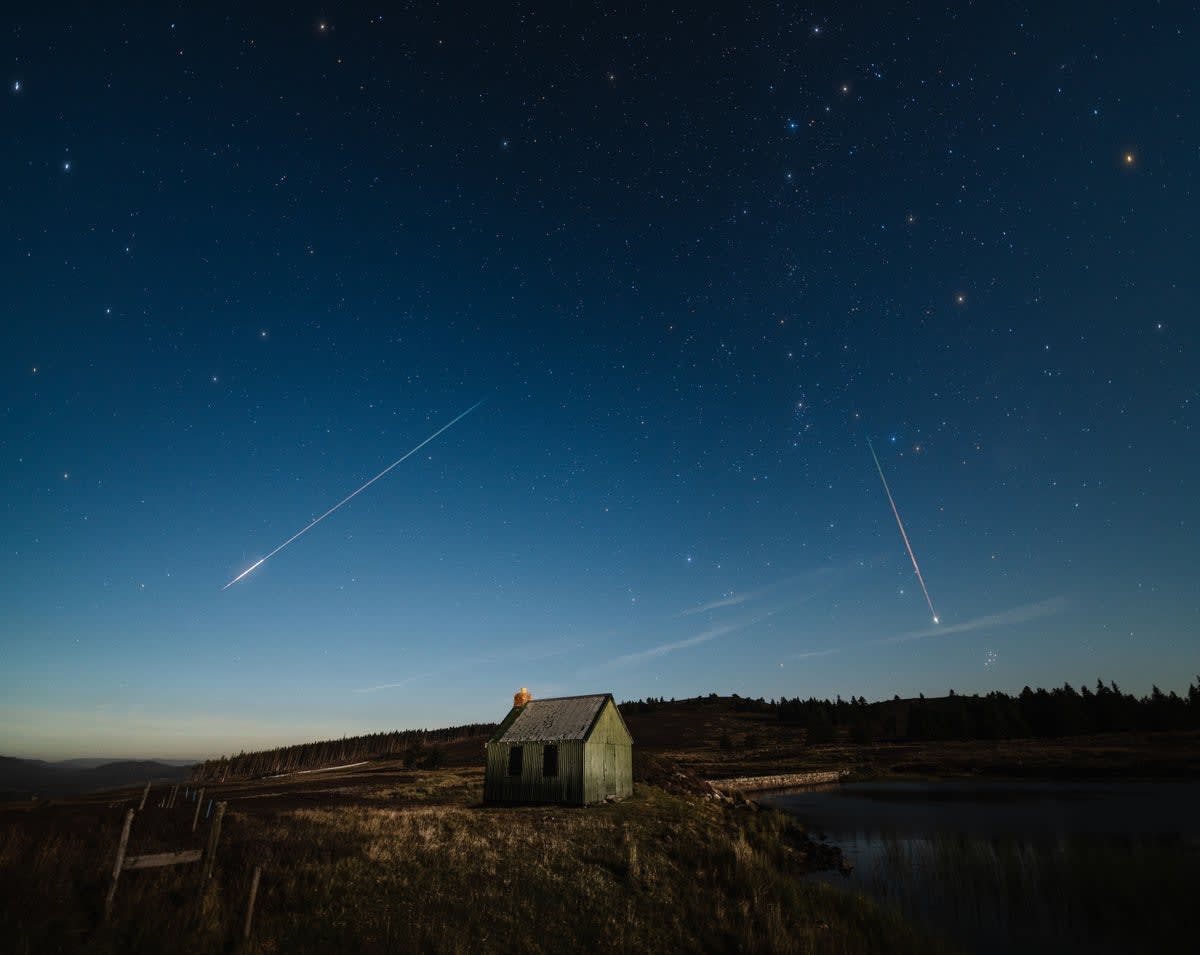
Every single day, 50 to 100 metric tons of space debris enters Earth's atmosphere. These tiny rocks and metal fragments create the beautiful streaks of light we call meteors, and each one carries clues about asteroids and comets millions of miles away.
Here's the challenge scientists face: meteors are incredibly random and fleeting. Most burn up 50 to 60 miles above Earth's surface, and an average viewer might spot only five sporadic meteors per hour. That makes gathering consistent data incredibly difficult.
The solution is surprisingly simple. Wide-angle cameras with sensitive detectors can automatically catch these cosmic visitors, recording their brightness, speed, and direction. When multiple cameras capture the same meteor, scientists can reconstruct its entire journey through space and trace it back to its source.
Networks like Spain's SMART project have been proving this approach works since 2006. The system's 106 cameras continuously monitor the skies, capturing detailed data including the chemical makeup of meteoroids. In 2020, SMART recorded spectacular sodium emissions from a meteor, revealing the rock's composition as it burned.
These camera networks excel at spotting extremely weak meteor showers that average just a few meteors per night. By sorting through thousands of observations, scientists can identify patterns that reveal new showers and even discover previously unknown comets shedding debris.
The technology gets even more exciting when it comes to meteorites, the rare chunks that survive the fiery plunge to reach Earth's surface. Three-dimensional tracking lets scientists pinpoint exactly where these space rocks land, allowing them to retrieve fresh samples before weather and contamination affect them.
The Ripple Effect
This isn't just about pretty lights in the sky. Every meteor carries physical evidence from the earliest days of our solar system, essentially delivering cosmic time capsules to our doorstep. By expanding camera coverage through citizen scientists, researchers can build a comprehensive map of the debris flowing through our corner of space.
The more cameras watching the sky, the better our picture of the solar system becomes. Amateur astronomers with the right equipment can join existing networks, contributing observations that might lead to the next big discovery about where we came from.
Your backyard might just be the perfect spot to catch a piece of cosmic history.
More Images
Based on reporting by Scientific American
This story was written by BrightWire based on verified news reports.
Spread the positivity!
Share this good news with someone who needs it