NASA Telescope Catches Rare Star Explosion After 16 Years
After 16 years of patient watching, NASA's Fermi telescope captured something scientists rarely see: one star in a binary pair exploding while bound to its companion. This cosmic discovery shows how the biggest breakthroughs often come from quiet, steady observation.
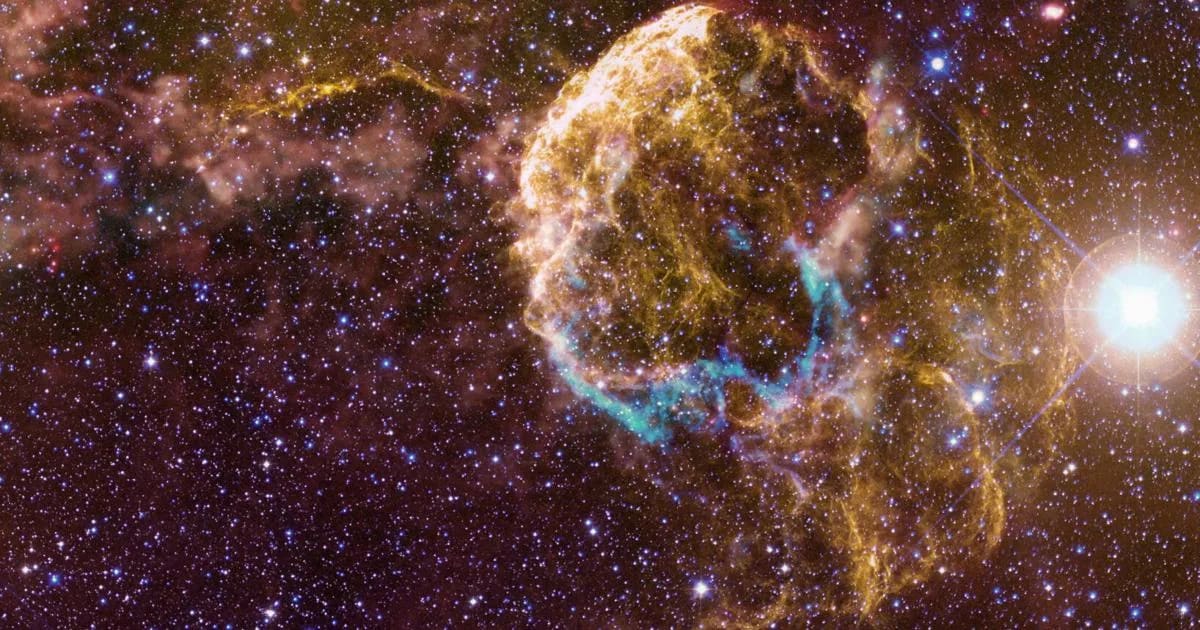
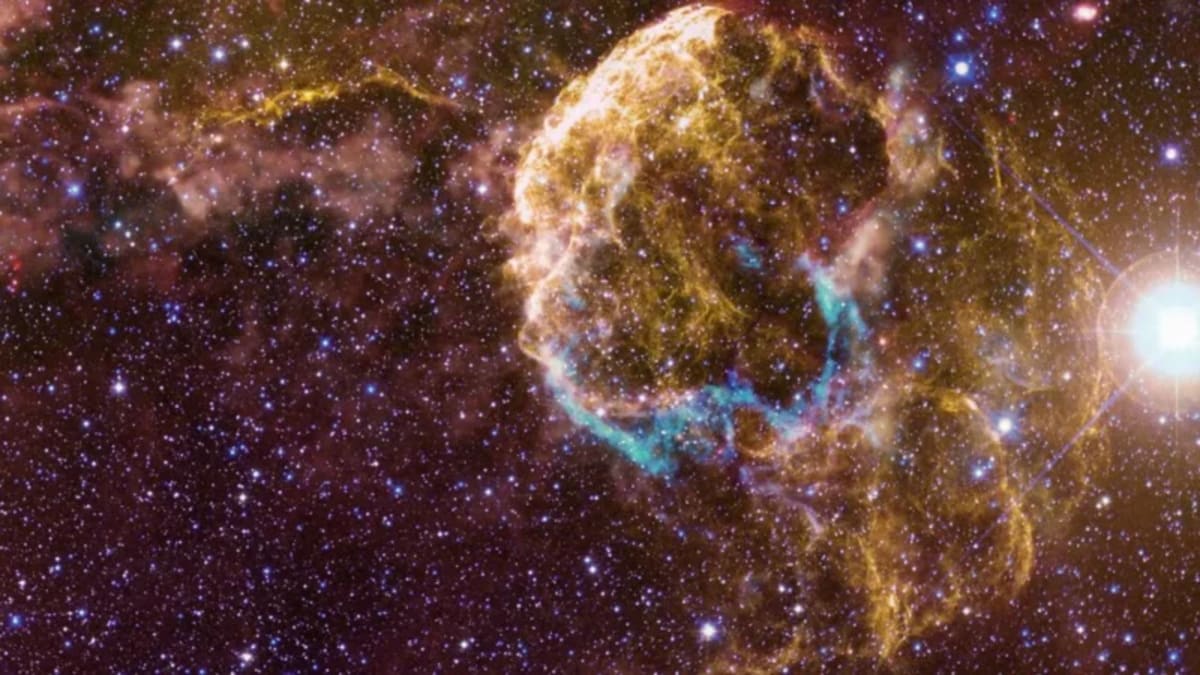
Scientists just confirmed something incredibly rare: they watched one star in a paired system explode, thanks to 16 years of continuous observation by NASA's Fermi Gamma-ray Space Telescope. The discovery offers astronomers an unprecedented long-term view of how massive stars live and die when locked in cosmic partnerships.
The Fermi telescope has been scanning space for gamma-ray activity since 2008, searching for signals from the universe's most violent events. Over nearly two decades, researchers identified a binary star system where one massive companion met its explosive end while gravitationally bound to another star.
That timeline matters because massive stars don't explode on schedules humans can predict. Catching this kind of event required years of steady data collection and careful analysis, with scientists patiently watching the same patch of sky year after year.
The discovery came from detecting high-energy gamma rays, the kind of cosmic radiation that marks catastrophic stellar events. These observations give scientists crucial clues about how stars behave when paired together, a common arrangement in our universe that's still not fully understood.
Why This Inspires
This discovery reminds us that groundbreaking science often looks nothing like a eureka moment. Instead, it's researchers showing up every day, analyzing data streams, and trusting that patience pays off over years or even decades.
Missions like Fermi represent long-term commitments to understanding our universe, funded by public investment and sustained by scientists who know they might not see results for years. The 16-year observation period for this single discovery shows the kind of dedication required to answer big questions about how stars work.
For teachers and students, this finding offers a powerful lesson about persistence in science. The most exciting discoveries don't always happen quickly, and sometimes the most important work is simply keeping instruments pointed at the sky and recording what happens.
The data from this discovery will help astronomers understand what happens when massive stars exist in close pairs, information that shapes our broader understanding of stellar evolution and cosmic explosions. Every observation adds another piece to the puzzle of how our universe functions.
This patient approach to discovery shows how sustained curiosity and commitment can reveal secrets the universe only shares with those willing to watch and wait.
More Images
Based on reporting by Google: NASA discovery
This story was written by BrightWire based on verified news reports.
Spread the positivity!
Share this good news with someone who needs it