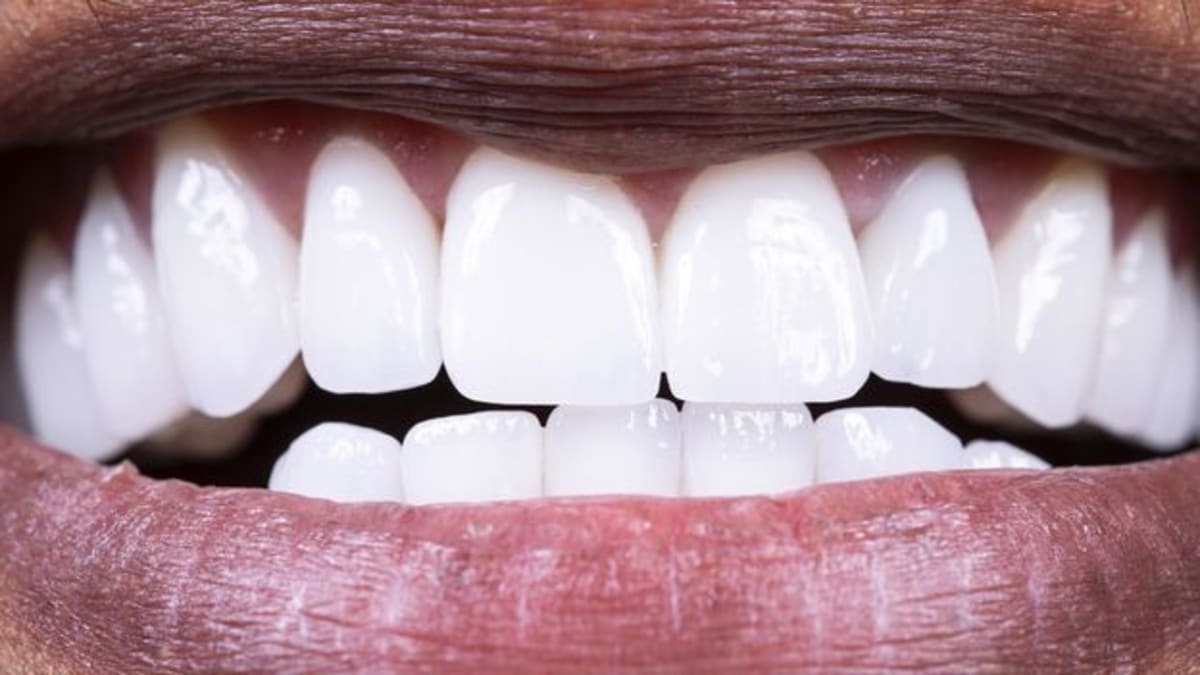
Your Mouth Bacteria Could Save Your Heart
Scientists discovered that eating leafy greens feeds beneficial mouth bacteria that lower blood pressure and protect against disease. The simple dietary shift could transform oral and heart health for millions.
The secret to a healthier heart might be hiding in your saliva.
Scientists studying the 700 bacterial species living in our mouths have discovered something remarkable. The right diet can feed beneficial bacteria that protect not just your teeth, but your entire cardiovascular system.
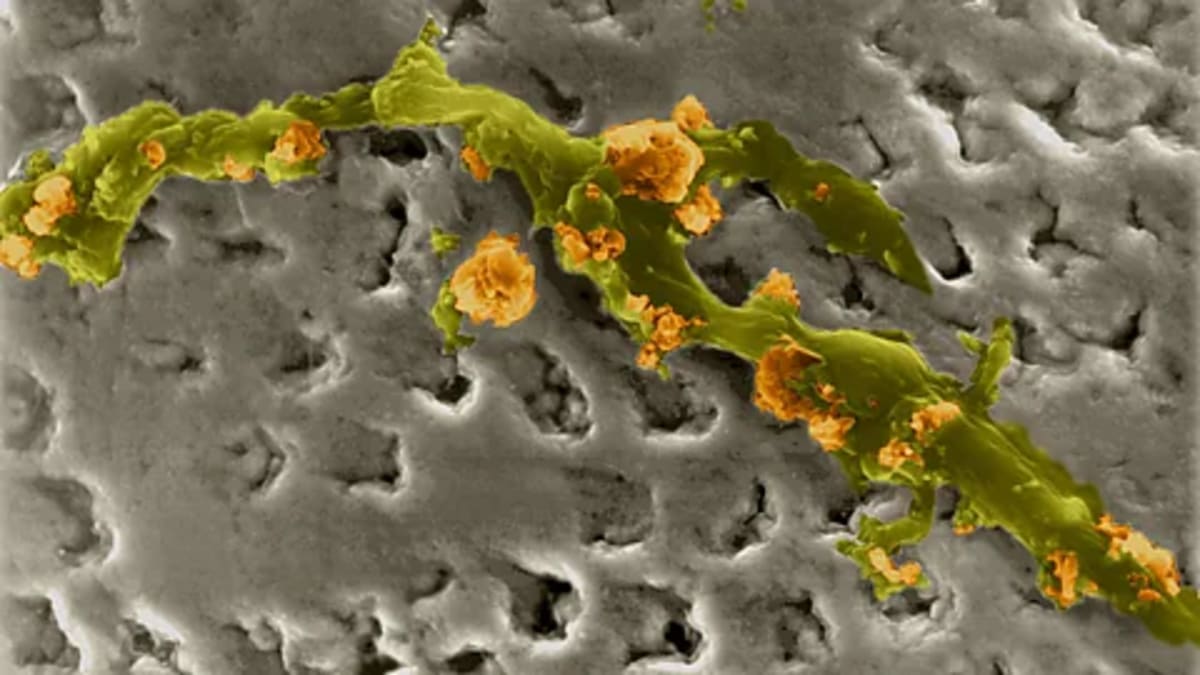
Your mouth is home to a thriving community of microbes, each carving out their own territory on your teeth, tongue, and gums. Some are troublemakers like Streptococcus mutans, which turns sugar into enamel-destroying acid. But others are microscopic heroes fighting on your behalf.
The friendly bacteria deserve your attention. When harmful bugs like Porphyromonas gingivalis take over, they cause more than just gum disease. Research now links poor oral microbiomes to heart disease, Alzheimer's, diabetes, inflammatory bowel disease, and even certain cancers.
One recent US study tracked participants' saliva and later health outcomes. People whose mouths harbored tooth decay bacteria or Candida yeast showed higher rates of pancreatic cancer.
But here's the good news: you can feed the right bacteria with simple food choices.
Leafy greens like kale, spinach, and beetroot contain high amounts of nitrate. Beneficial Neisseria bacteria in your mouth convert this nitrate into compounds that eventually become nitric acid in your blood. This acid reduces blood pressure and protects your heart.
In one trial, older adults who drank nitrate-rich beetroot juice twice daily saw their blood pressure drop within just two weeks.
Plant-based foods offer another advantage through polyphenols, protective antioxidants that plants produce to survive harsh conditions. These compounds nourish diverse oral bacteria populations, which recent research links to better mental health outcomes.
Even garlic, despite its notorious breath effects, contains allicin, a chemical that attacks cavity and gum disease bacteria directly.
Laura Weyrich, associate professor at Pennsylvania State University, studies how oral microbiomes have changed throughout history. She explains that some beneficial Streptococcus bacteria act like "freedom fighters" with their own natural antibiotics. The friendly S. salivarius produces proteins that kill harmful microbes, including antibiotic-resistant pathogens.
These good bacteria compete for food and space with disease-causing strains, naturally reducing their populations.
The Bright Side
The research reveals something empowering: protecting your health doesn't require expensive treatments or complicated regimens. Adding more greens to your plate feeds bacteria that work around the clock defending your mouth, heart, and brain.
More than 80% of Americans develop cavities by their mid-30s, but this doesn't have to be inevitable. By understanding which foods nourish protective bacteria, people can take simple daily actions that ripple through their entire wellbeing.
Your fork might be the most powerful tool you have for cultivating a healthier microbiome.
More Images
Based on reporting by BBC Future
This story was written by BrightWire based on verified news reports.
Spread the positivity!
Share this good news with someone who needs it