Zambezi Floods Bring New Life to Botswana's Chobe River
Rising water levels in Botswana's Chobe River are reviving communities after a devastating dry spell. Fishermen, farmers, and wildlife are celebrating the return of water that sustains an entire region.
After months of parched ground and dwindling hope, the Chobe River is flowing strong again, bringing relief to thousands who depend on it for survival.
The Zambezi River overflow pushed water downstream through Chobe National Park, flooding the vast plains of Muchenje, Mabele, Kavimba, and Kachikau. This year's water arrived early and spread quickly across the floodplains, a dramatic change from 2024 when barely any water trickled through the region.
Local fisherman Chandapiwa Mokozi watched the transformation with renewed optimism. The rising inflows covered extensive floodplains around Muchenje, creating fishing opportunities that had vanished during the drought.
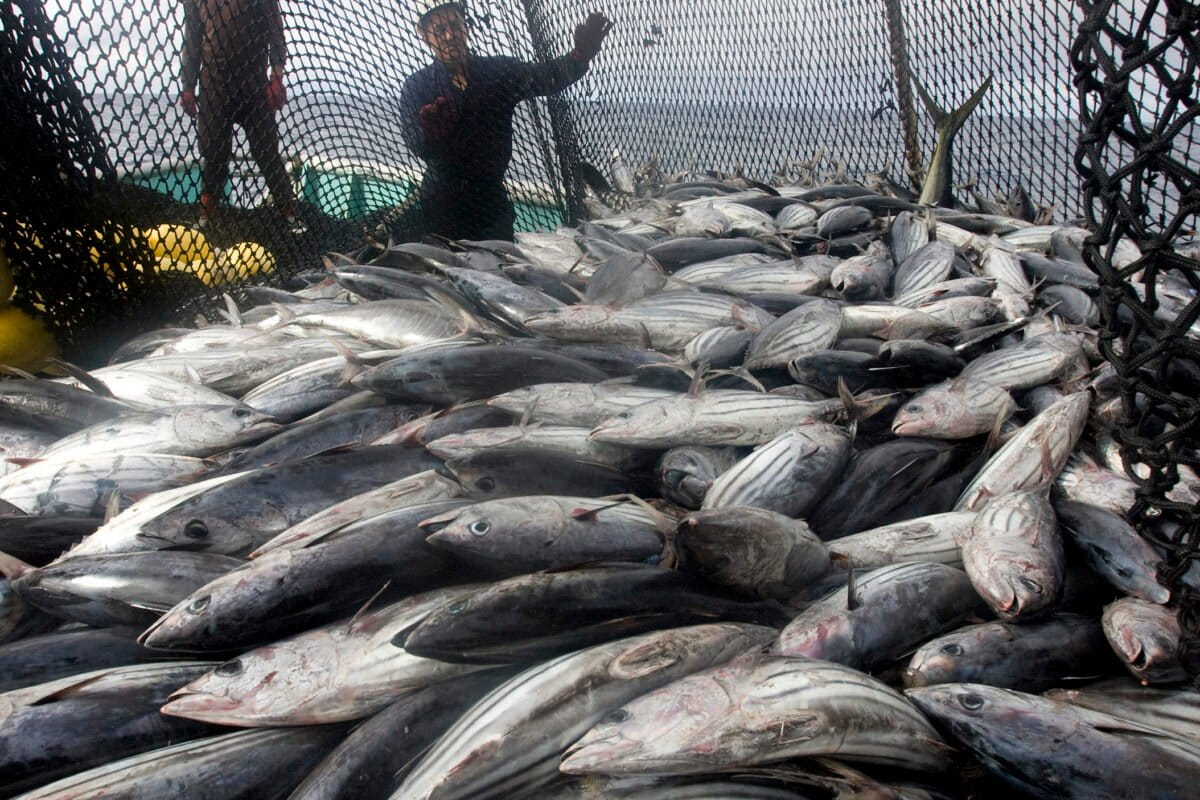
The early arrival accelerated the fishing calendar, prompting fishermen to relocate to the river and restart their businesses. Mokozi catches fish for his household, while others fish commercially, but all share a commitment to protecting the ecosystem by using hooks instead of nets that could harm birds and wildlife.
The water means more than just fish. The Chobe River serves as the primary water source for people, livestock, and wildlife across the region, making these rising levels literally life-giving.
Fellow fisherman Gaseitsewe Kgothatso described the river as a vital economic engine for Chobe communities. The water enables fishing, farming, boat cruises, picnics, and tourism activities that drive the local economy.
Kgothatso developed his passion for fishing during his days as a tour guide and now catches fish to feed his family. He emphasized that while the river brings prosperity, it also requires respect and caution.
The Ripple Effect
The returning water is revitalizing an entire ecosystem. Floodplains that sat cracked and empty last year now teem with life, supporting food chains from fish to birds to the people who depend on them.
The economic boost extends beyond fishing. Tour operators can resume boat cruises, farmers can irrigate crops, and wildlife populations have reliable water sources again.
Kgothatso reminds community members to stay vigilant around crocodiles, hippos, and snakes, teaching children water safety from a young age. He urges people to never fish alone, ensuring help is available if accidents occur.
The commitment to sustainable fishing practices shows communities balancing immediate needs with long-term ecosystem health. By choosing hooks over nets, fishermen protect birds and other species while still feeding their families.
The flowing Chobe River proves that nature's rhythms, though sometimes harsh, ultimately restore balance and bring communities back to life.
More Images

Based on reporting by AllAfrica - Environment
This story was written by BrightWire based on verified news reports.
Spread the positivity!
Share this good news with someone who needs it