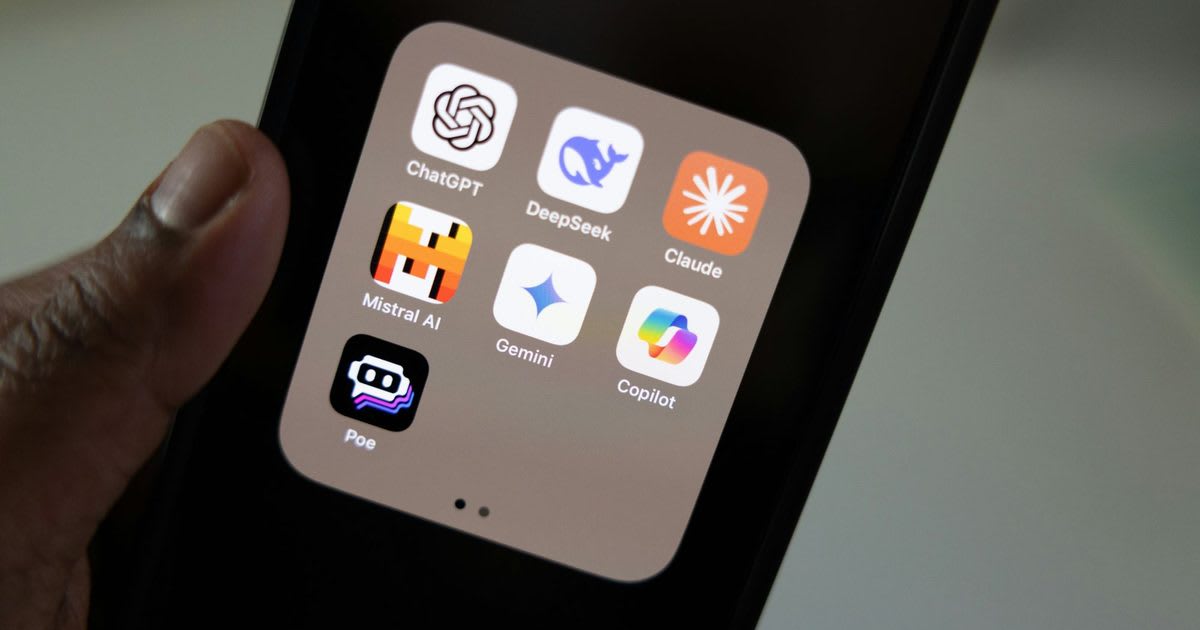
AI Breakthrough Helps Chatbots Understand Mixed Feelings
New research teaches AI to decode complex emotions in a single sentence, like when you praise and criticize at once. This could transform how chatbots respond to real human frustration.
Find uplifting stories about heroes, innovations, and solutions
323 results for "chatbots"
New research teaches AI to decode complex emotions in a single sentence, like when you praise and criticize at once. This could transform how chatbots respond to real human frustration.

New York City's new mayor is pulling the plug on an AI chatbot that cost over half a million dollars and gave illegal business advice. The flawed system told employers they could steal workers' tips and ignore cashless store bans.

One in five teens now turns to AI chatbots for mental health support, prompting researchers to outline safety rules before more harm occurs. New proposed protections could require age verification and emergency protocols to keep vulnerable young people safe.

Mexico City launched Xoli, a free WhatsApp chatbot that answers tourist questions in English and Spanish 24/7. The AI assistant will guide millions of visitors during the 2026 FIFA World Cup and stay active afterward.

A Texas college system's AI advisor answers student questions in over 100 languages around the clock, earning national recognition while freeing up human advisors for deeper conversations. The chatbot has achieved 96% accuracy across 70,000 conversations since launching last year.
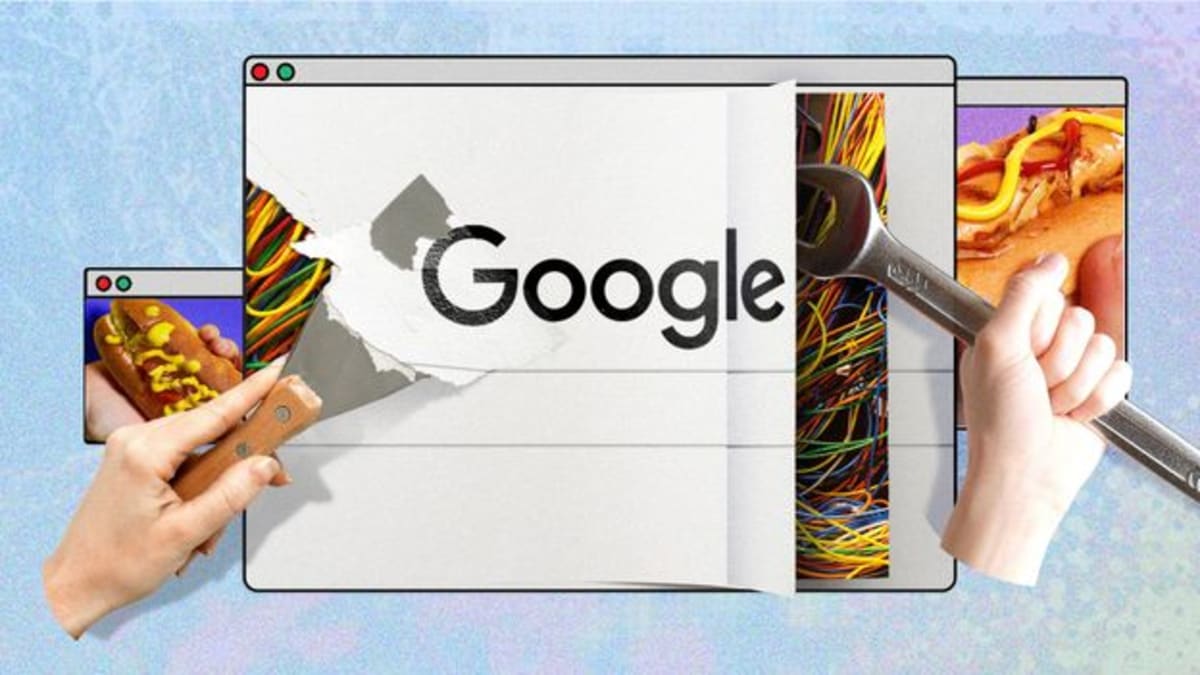
A simple trick let people make AI chatbots spread lies to billions of users. Now Google and other tech companies are finally fixing the problem.

A design professor just launched a browser extension that intentionally makes AI chatbots painfully slow. It's a clever protest against our growing dependence on artificial intelligence.

Millions already ask AI chatbots for health advice, but there's been no roadmap for doing it safely. Now researchers are creating the world's first user guide to help people navigate these tools without getting misled.

Pennsylvania is taking legal action against Character.AI for offering chatbots that falsely claim to be licensed doctors. The lawsuit seeks to stop the AI company from violating state medical practice laws and protect users from potentially dangerous health advice.

The Senate Judiciary Committee unanimously passed a bill requiring age verification for AI chatbots and blocking harmful content for minors. Both Democrats and Republicans agree it's time to protect young people from AI risks.

When a Ukrainian woman found an AI chatbot listened better than her friends during a breakup, researchers discovered why: humans interrupt, judge, and deflect emotions while AI simply listens. Studies now show what makes truly compassionate listening, and the lessons are surprisingly simple.
Google is building new mental health safeguards into its Gemini chatbot to connect users in crisis with immediate help. The update comes as AI companies face growing responsibility for user safety.

Mental health experts at a major tech conference say AI chatbots are providing crucial first-line support to people who can't access traditional therapy. By decade's end, validated automated tools could help entire populations get the mental health care they need.
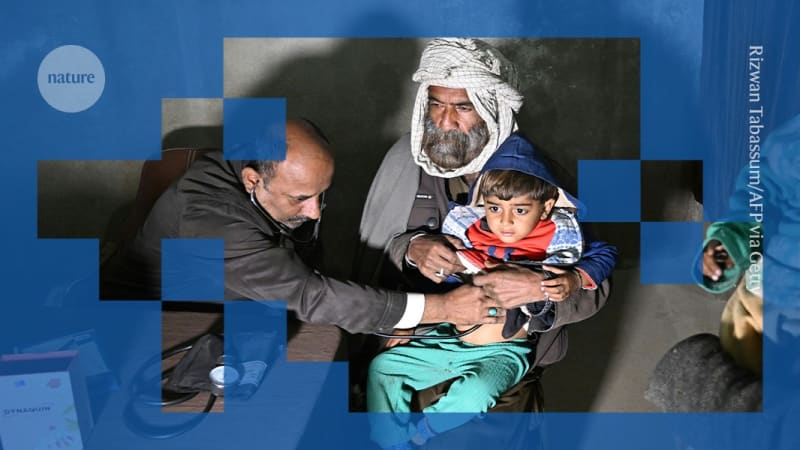
New studies show affordable AI chatbots are helping doctors diagnose patients more accurately in countries where healthcare resources are scarce. The technology costs just half a penny per answer and works around the clock.
Hospitals are rolling out their own health chatbots to help patients get accurate medical advice and connect with doctors. With 40 million people daily asking ChatGPT health questions, hospitals want to bring those conversations back home.

Nigeria just unveiled an AI-powered chatbot that helps citizens access government services in English, Hausa, Igbo, and Yoruba. The Meta-backed platform marks one of Africa's most ambitious public sector AI projects to date.
The FDA just gave breakthrough status to its first generative AI chatbot for patients recovering from joint replacement surgery. This marks a major step forward in how artificial intelligence could help millions heal at home.

The privacy advocate who made end-to-end encryption mainstream is now working with Meta to protect your conversations with AI chatbots. Billions of people chat with AI daily, but unlike your private texts, those conversations aren't encrypted.

Two brothers created an AI chatbot grounded in 2,000 years of Catholic teachings to give families a morally guided tech option. Acutis AI offers parental controls and filters responses through religious wisdom often missing from mainstream platforms.
The FDA just gave breakthrough status to the first generative AI chatbot designed to guide patients through recovery after joint replacement surgery. The move signals how AI could soon help millions of people heal better at home.
Showing 20 of 323