
One Truck to India's Largest Chemical Transport Fleet
A retired Air Force inspector risked everything on a single truck in 1969. His grandsons now run one of Western India's biggest chemical transport operations.
Find uplifting stories about heroes, innovations, and solutions
3470 results for "chemical logistics"
A retired Air Force inspector risked everything on a single truck in 1969. His grandsons now run one of Western India's biggest chemical transport operations.

Morocco just took the helm of the world's chemical weapons watchdog for the second time, continuing its strong track record of promoting global safety and peace. Ambassador Mohamed Basri will chair the organization that has successfully eliminated all declared chemical weapons worldwide.

After decades of rising pollution, dangerous PFAS chemicals in Canadian seabird eggs have plummeted by up to 74%, proving environmental regulations actually work. Scientists tracking northern gannets over 55 years say the dramatic turnaround shows we can reverse chemical contamination when we take action.

Egypt's third edition of Logivators is connecting logistics startups with real industry challenges, building on past success that helped 15 companies attract over $1 million in funding. The program turns operational problems into business opportunities while strengthening Egypt's position as a regional logistics hub.

New testing shows state bans on toxic PFAS chemicals in clothing are working, with 80% of products now complying just months after laws took effect. Major brands like Lululemon, Columbia, and Levi's have successfully eliminated most forever chemicals from their products, proving alternatives exist and policy works.

A global logistics giant just launched a game-changing platform that's already helping companies slash their carbon footprint while moving more goods with fewer trucks. The shipping industry's 10% contribution to global emissions just met its match.
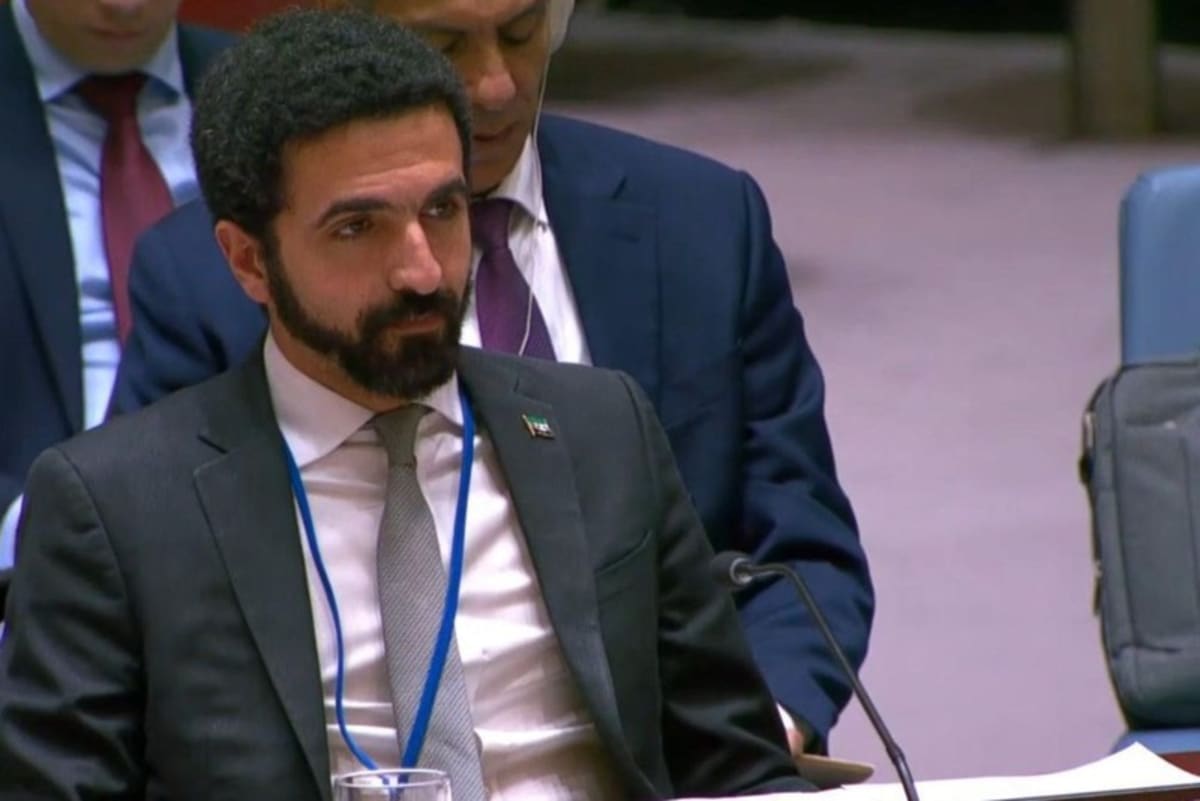
Syria is working with international partners to eliminate the chemical weapons program inherited from its former regime, transforming a global security threat into a model of cooperation. Countries including the UK and Greece are providing training and assistance to ensure every remnant is safely destroyed.
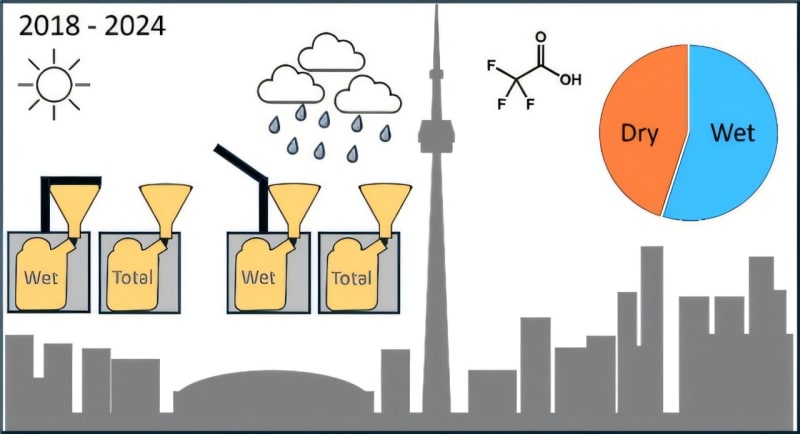
When Toronto locked down during COVID, a tiny forever chemical called TFA dropped dramatically in the atmosphere. Scientists say this discovery means we might actually be able to control these pollutants after all.
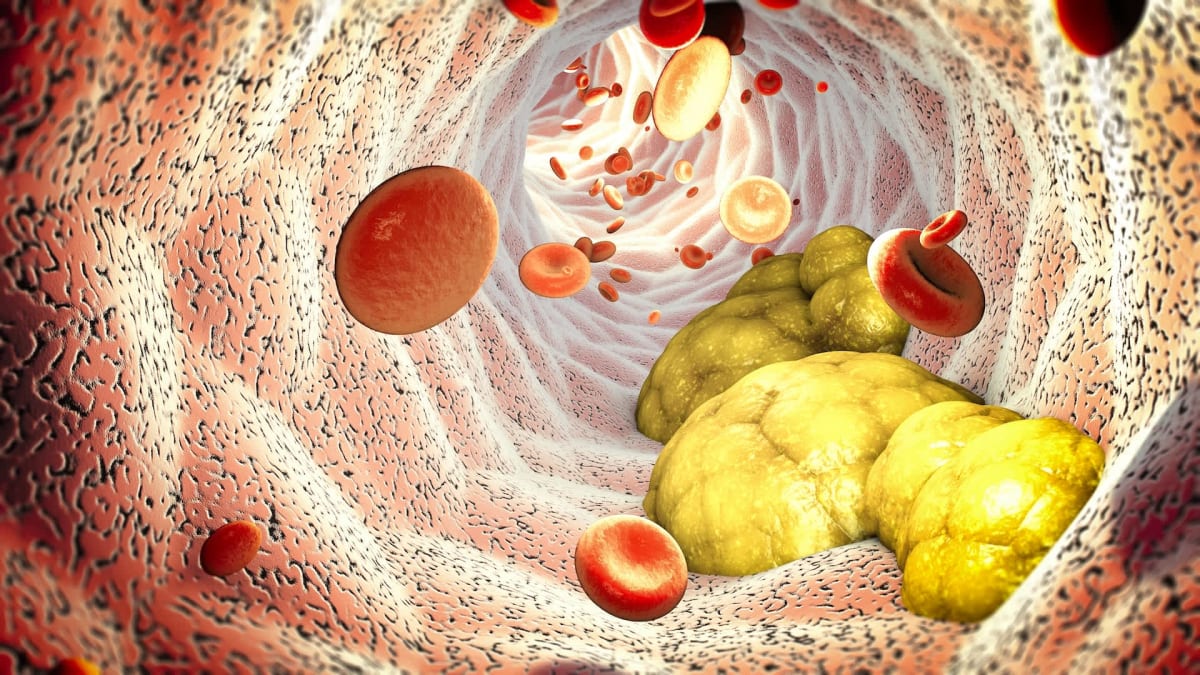
A blood filtering procedure for cholesterol patients is unexpectedly removing dangerous forever chemicals and microplastics from their bloodstream. The discovery could open new paths for understanding how to clear these pollutants from our bodies.

Charles Thuo traded his stable job at Boeing and US military career to drive trucks and build Apexloads, a startup solving trust problems in Kenya's freight industry. His scrappy, zero-funding approach is bringing American-style reliability to East African logistics.
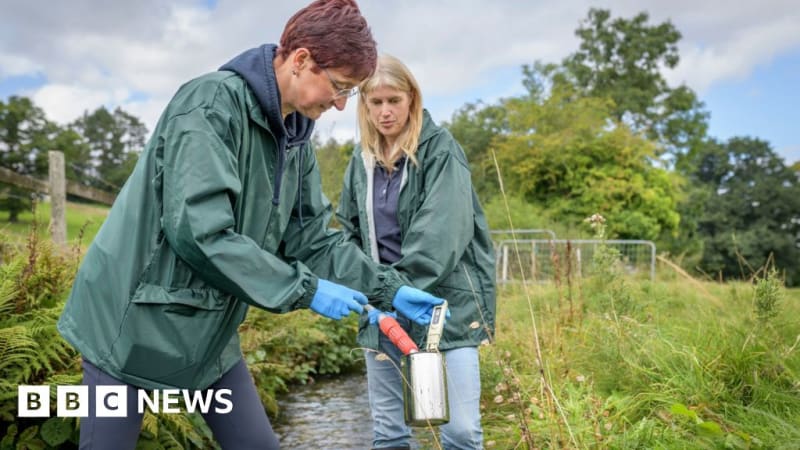
The UK just unveiled a comprehensive strategy to tackle PFAS—toxic "forever chemicals" found in everything from school uniforms to frying pans. By 2029, Britain aims to align with EU regulations that could ban all non-essential uses of these persistent pollutants.

German researchers have developed two breakthrough methods that successfully degrade PFAS "forever chemicals" linked to cancer and immune problems. The techniques could finally offer a solution to removing these persistent pollutants from our water supply.

The 2026 Winter Olympics just became the first Games to ban toxic "forever chemicals" from ski wax, protecting both athletes and mountain environments. Denmark's family support programs are also helping close the motherhood wage gap.
Scientists at Texas A&M are using artificial intelligence to predict which of thousands of untested chemicals around us might be harmful. The breakthrough tool doesn't just make predictions—it tells researchers how confident it is in each answer.

North Atlantic pilot whales have 60% less toxic PFAS in their bodies than a decade ago, proving chemical regulations actually work. The decade-long cleanup shows the ocean can heal when we act.

Solar panel manufacturers have slashed toxic fluorine content by up to 95% over three decades, protecting both people and the planet. What started as panels loaded with 12% forever chemicals now averages less than 1%.

The European Union is cracking down on PFAS, toxic synthetic chemicals that never break down in nature or our bodies. New regulations aim to protect millions from these invisible pollutants found in everyday items like cookware and food packaging.

British lawmakers are calling for a groundbreaking ban on harmful "forever chemicals" found in everyday items like school uniforms and cooking pans. The move could protect millions from substances that never break down in our environment or bodies.

China just hit a milestone in supply chain efficiency, dropping logistics costs to their lowest level ever thanks to smart technology and better infrastructure. The progress shows how innovation can reshape entire industries while keeping the world's goods moving faster and cheaper.

Egypt's third Logivators program connects logistics startups with real industry challenges, building on success that brought $1 million in funding to previous participants. The initiative has already helped 15 startups grow, with several expanding across the Middle East.
Showing 20 of 3470