%2Ffile%2Fattachments%2Forphans%2Fcape_of_storms_12_huge_381553.jpg)
Scientists Push for Africa-Led Climate Solutions
African scientists are challenging Western climate models that fail to capture the continent's unique challenges. A new research agenda aims to put Global South voices at the center of climate policy.
Find uplifting stories about heroes, innovations, and solutions
17475 results for "climate models"
African scientists are challenging Western climate models that fail to capture the continent's unique challenges. A new research agenda aims to put Global South voices at the center of climate policy.

A complexity scientist who once beat casinos and Wall Street is building a groundbreaking economic simulator that could save trillions on the green energy transition. His team aims to prevent financial disasters and accelerate climate solutions using real company data.
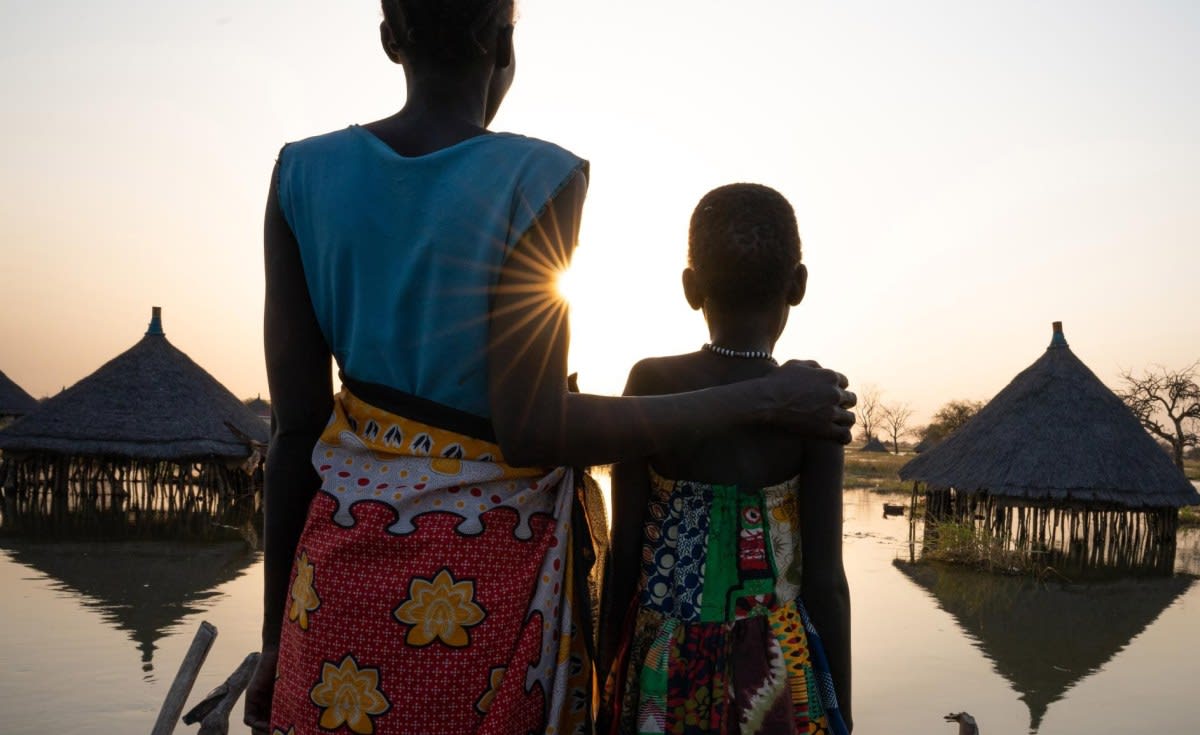
African negotiators are making climate-driven health impacts a top priority at upcoming global climate talks, marking a major shift in how the continent approaches climate action. For a region facing rising malaria, cholera, and malnutrition from climate change despite contributing least to emissions, this new strategy could reshape global climate policy.

A new climate financing model in Benin has delivered flood walls, irrigation systems, and resilient crops to 2.7 million people while reducing economic flood damage by a fifth. The African Union now holds up Benin, Ethiopia, and Namibia as blueprints for turning international climate dollars into real protection for vulnerable communities.

Facing deadly droughts and floods, Ethiopia is turning its climate vulnerability into opportunity by reforming its economy to attract billions in adaptation funding. As the future host of COP32, the nation is building a model for climate-resilient growth across Africa.
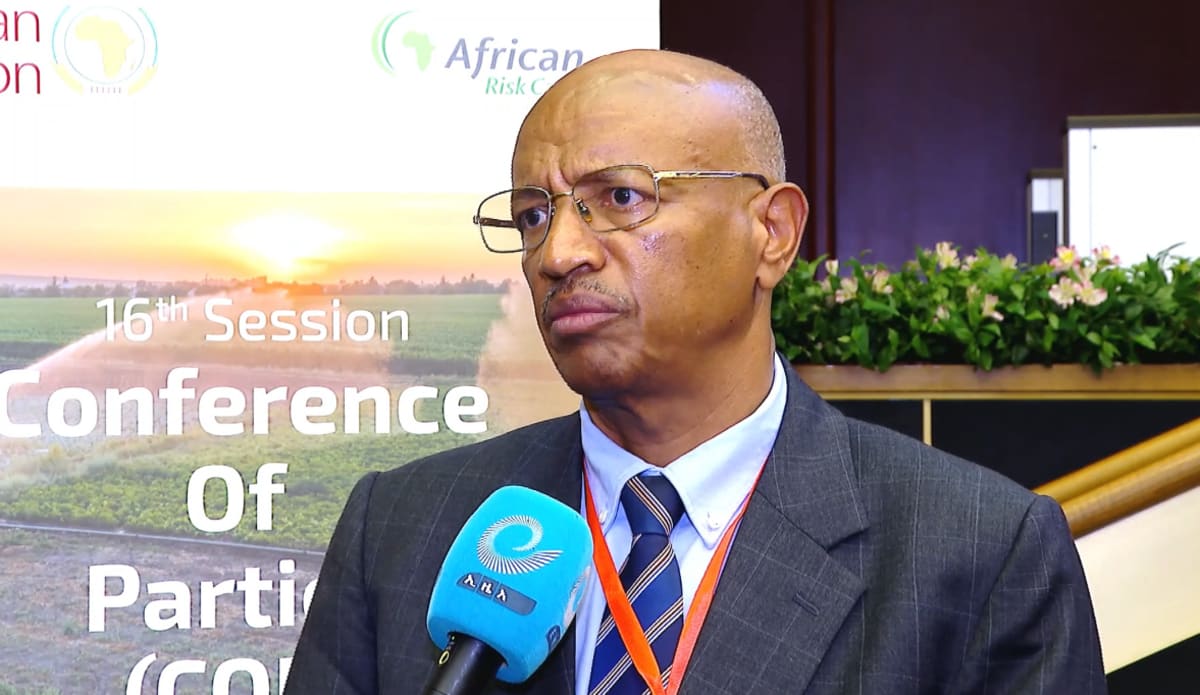
Ethiopia's green development programs and river basin projects are being recognized as a blueprint for climate resilience across Africa. Leaders from 39 African nations gathered in Addis Ababa to learn from Ethiopia's success in combining environmental action with food security.
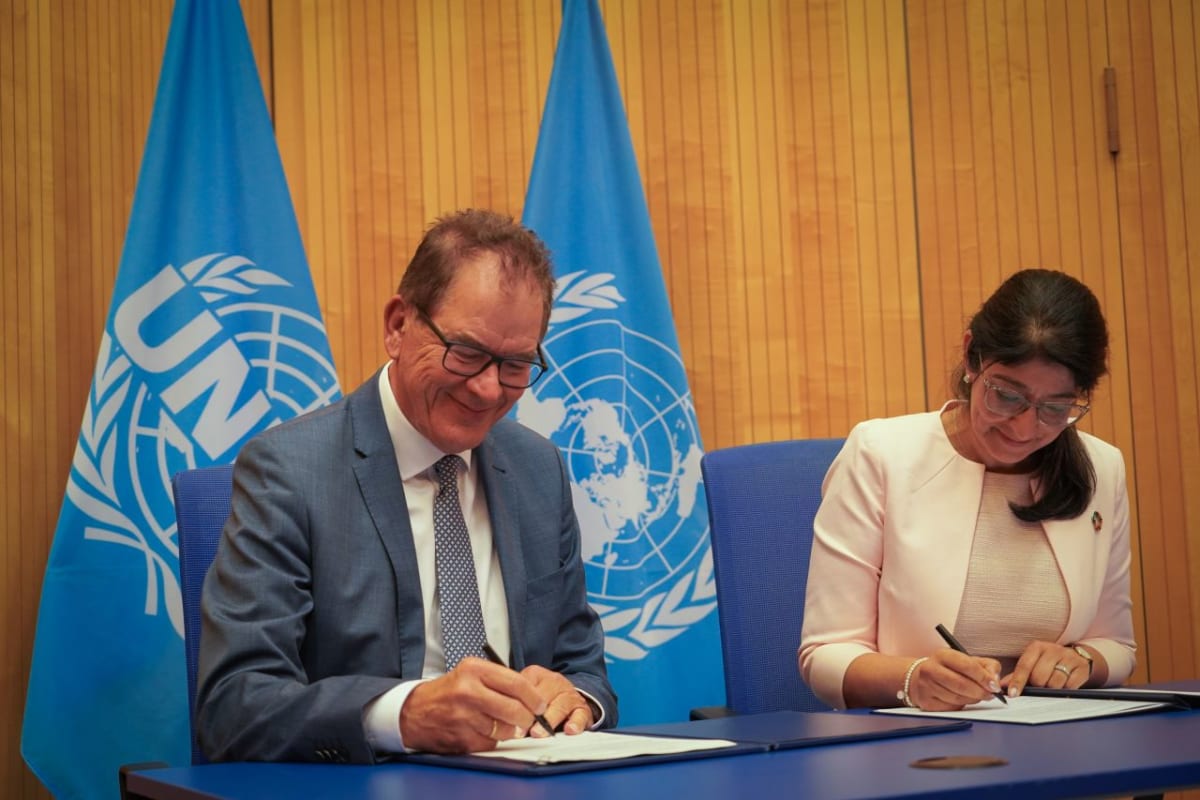
The United Nations just launched two programs that transform satellite data into practical tools for fighting climate threats and building stronger economies. Small island nations and disaster-prone regions will get AI-powered flood models and digital twins to plan evacuations and save lives.
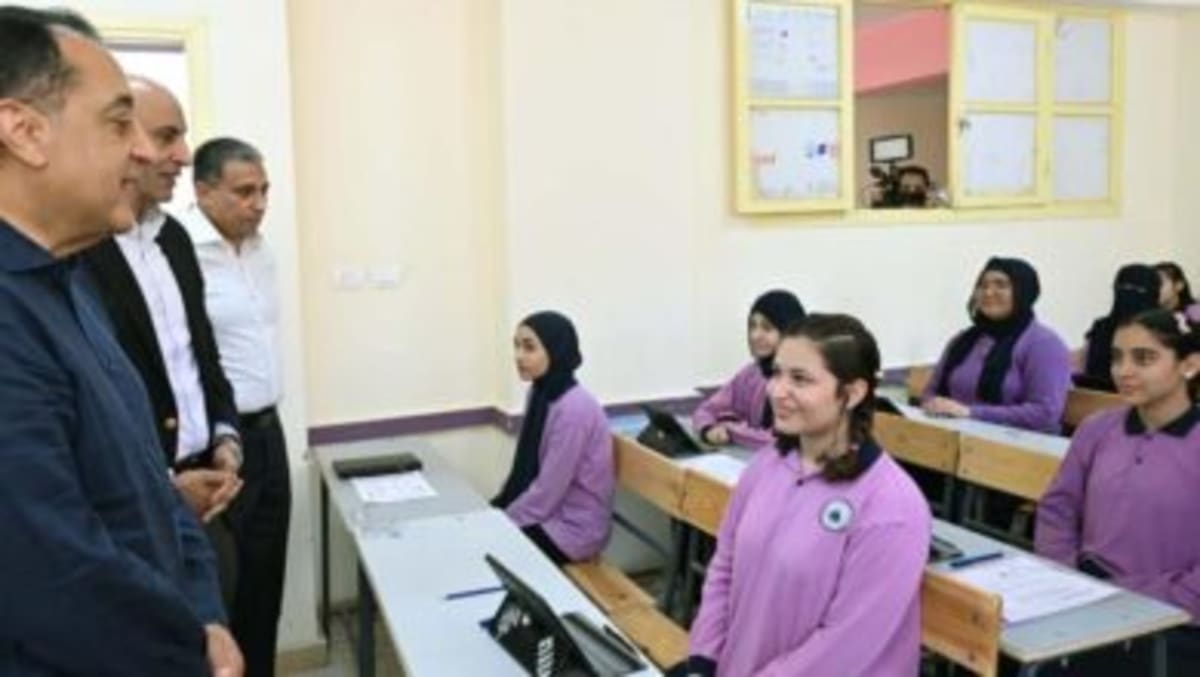
Egypt is restructuring how it accesses billions in climate funding to speed up green projects across the country. The move could unlock crucial financing for sustainable energy, climate-resilient infrastructure, and small businesses going green.
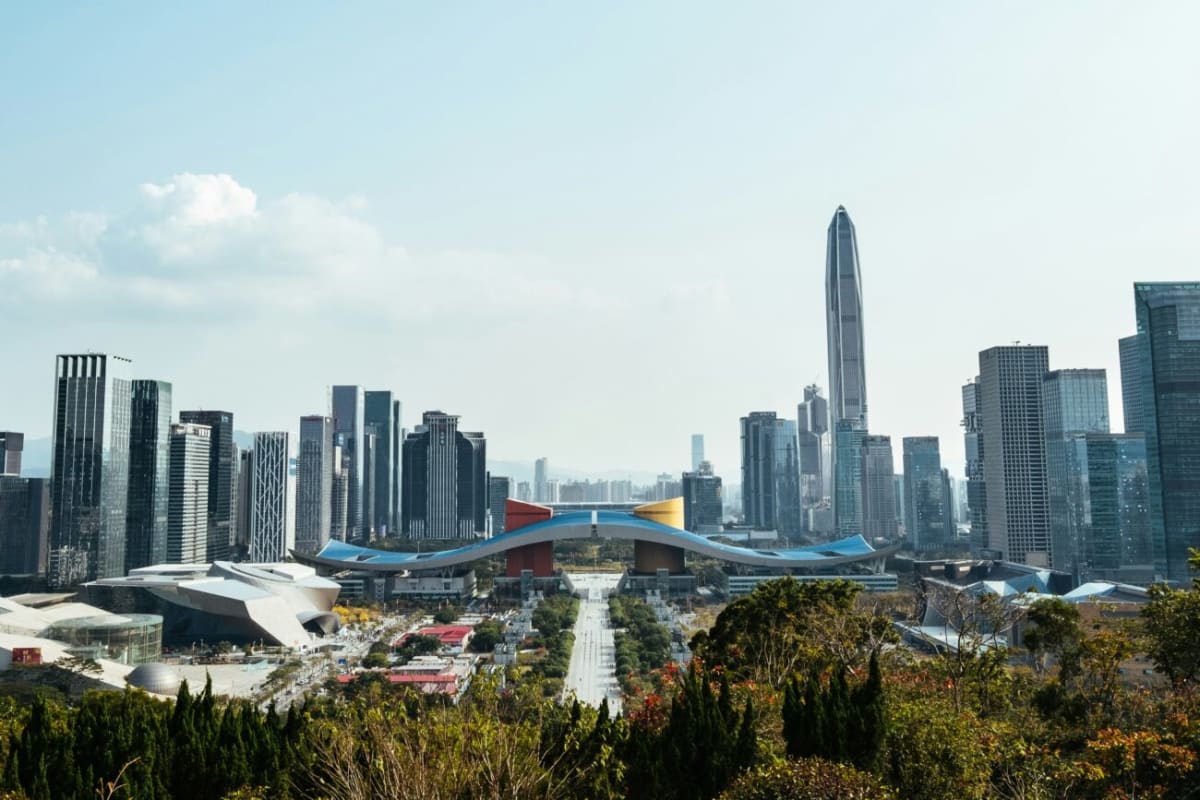
China's Greater Bay Area is bringing together 60 experts to design nature-based solutions that protect mega-cities from climate disasters. After Super Typhoon Ragasa caused $386 million in damage, the region is proving cities and nature can grow together.
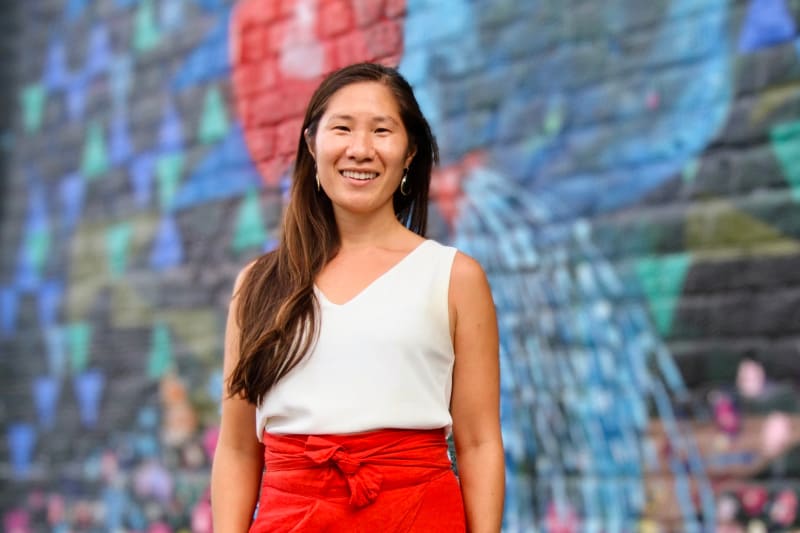
Louise Yeung, New York City's new chief climate officer, brings 10 years of experience rebuilding after Hurricane Sandy to help residents understand how climate impacts their daily lives. Her focus: making vulnerable neighborhoods safer, healthier, and more resilient.
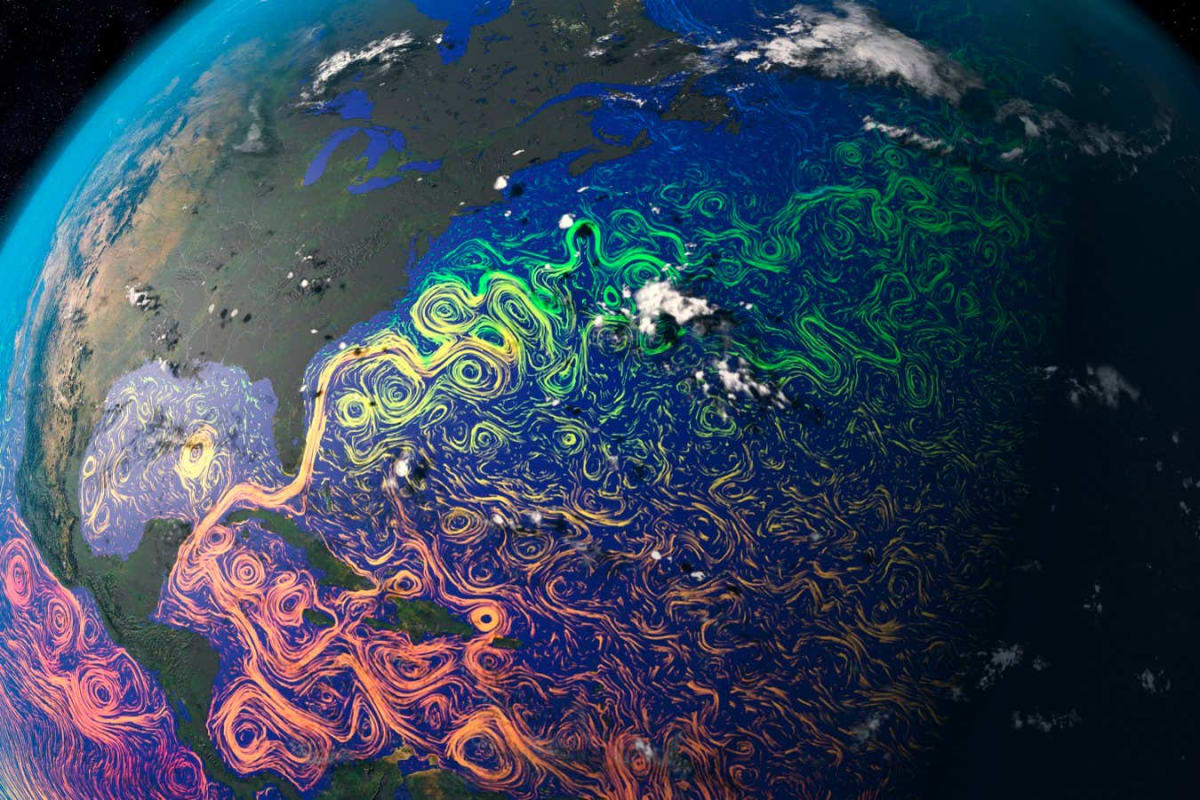
New climate research brings a rare piece of good news about ocean currents threatened by melting ice. Scientists found that even if a crucial Atlantic current weakens, the change would happen slowly and could reverse if we tackle climate change.
Doctors, communicators, and activists are pushing forward with climate solutions even as federal support wavers. Their stories reveal wins still happening and reasons to stay inspired.
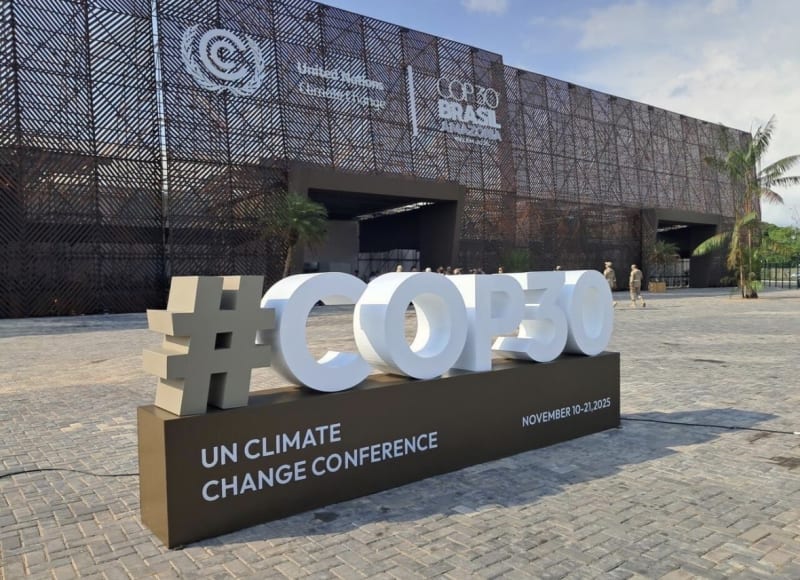
The 2025 COP30 climate summit in Brazil marked a turning point as African nations and the Global South stepped into leadership roles, securing major wins on climate finance and adaptation. With new funding mechanisms and stronger alliances, Africa now faces the crucial task of turning ambitious climate goals into real action in 2026.

Over 1.5 million people now have access to explore how ocean-based carbon removal could help meet global climate goals. The free simulator lets anyone test how Ocean Alkalinity Enhancement fits into real climate strategies.

Bangladesh just launched KLIMA, a new platform connecting community climate ideas with investors and policymakers. It's designed to turn local solutions into real action in one of the world's most climate-vulnerable countries.

A former teacher turned an insight into action: climate education works when it fits inside existing lessons, not as extra work. Her free platform now reaches every grade level and helps students turn anxiety into hope.
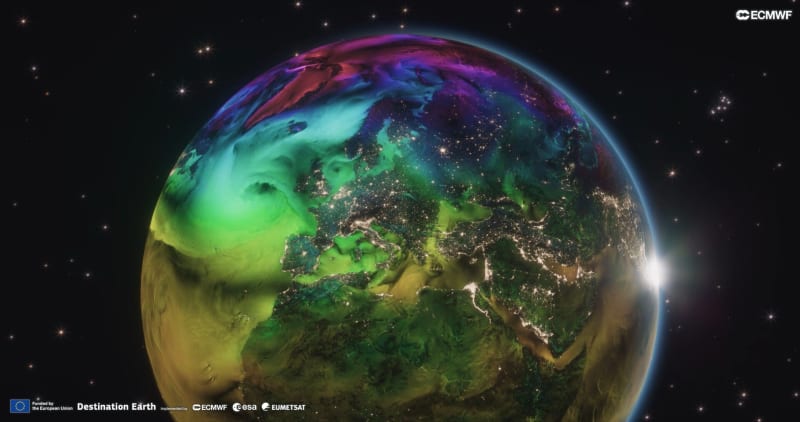
Europe is building an incredibly detailed digital twin of Earth that uses supercomputers and AI to predict extreme weather and climate changes with unprecedented accuracy. The system is already helping nations prepare for floods, heat waves, and other climate challenges.
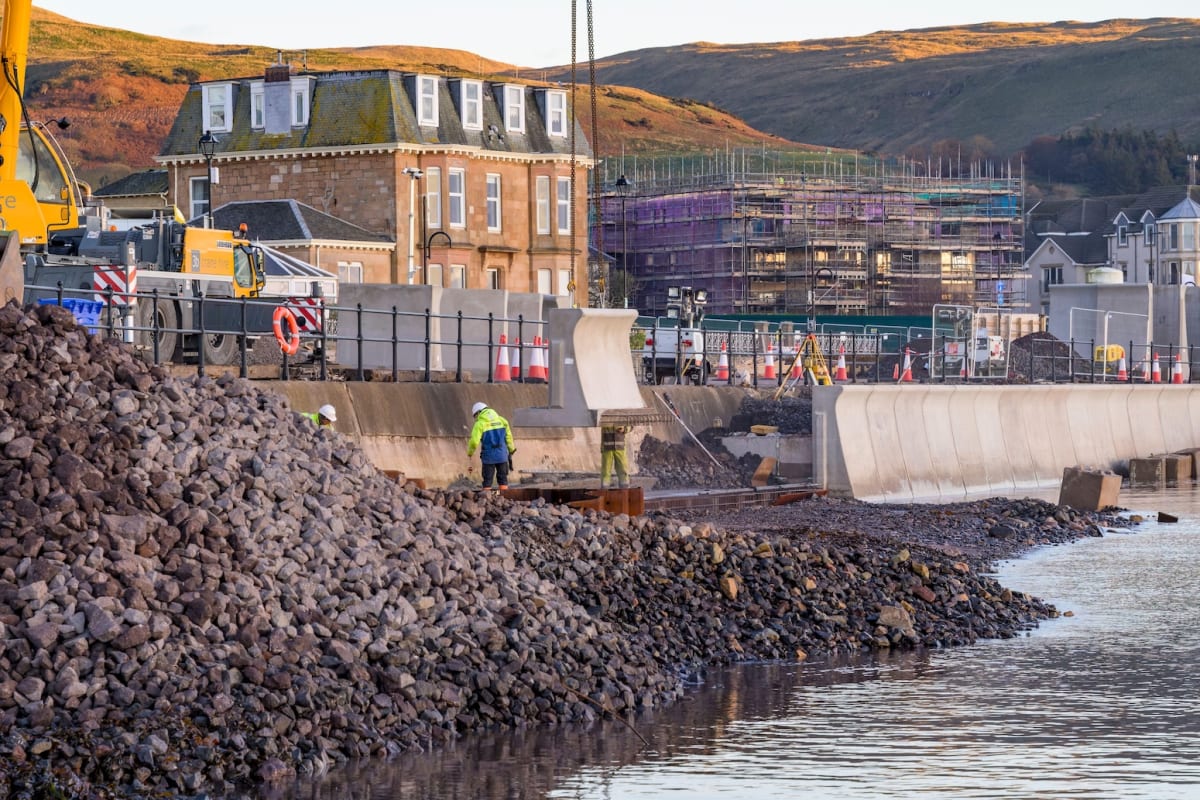
Britain's climate advisors say spending £11 billion yearly on flood defenses and cooling systems will cost less than future climate damage. The plan protects homes, saves lives, and puts money back in the economy.
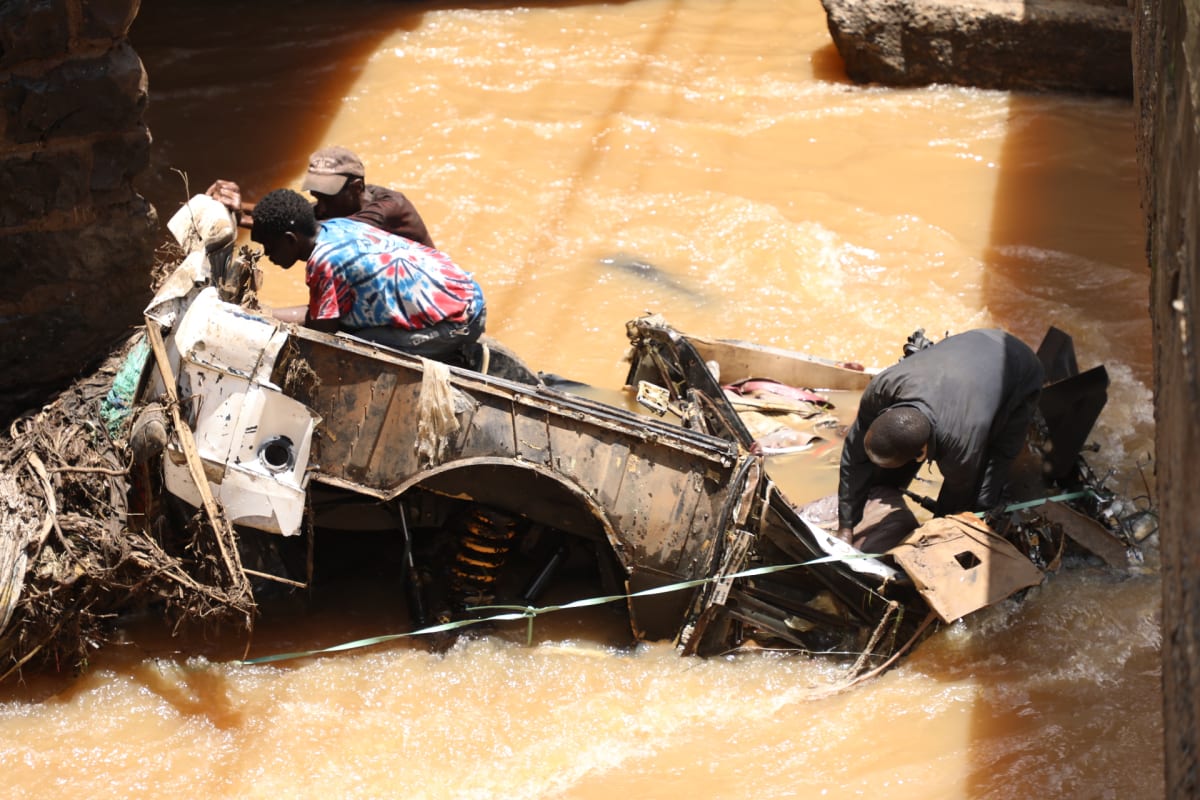
Kenya just became the first African nation to receive funding specifically for climate disaster losses, unlocking $700,000 to identify communities hit hardest by droughts and floods. After decades of devastating climate impacts, Kenya can finally measure what's been lost and who deserves support.

In a historic win for climate justice, 141 countries backed a resolution affirming that protecting people from climate change is a legal obligation, not just a political choice. The decision, led by Pacific island nation Vanuatu, gives new legal weight to holding nations accountable for climate damage.
Showing 20 of 17475