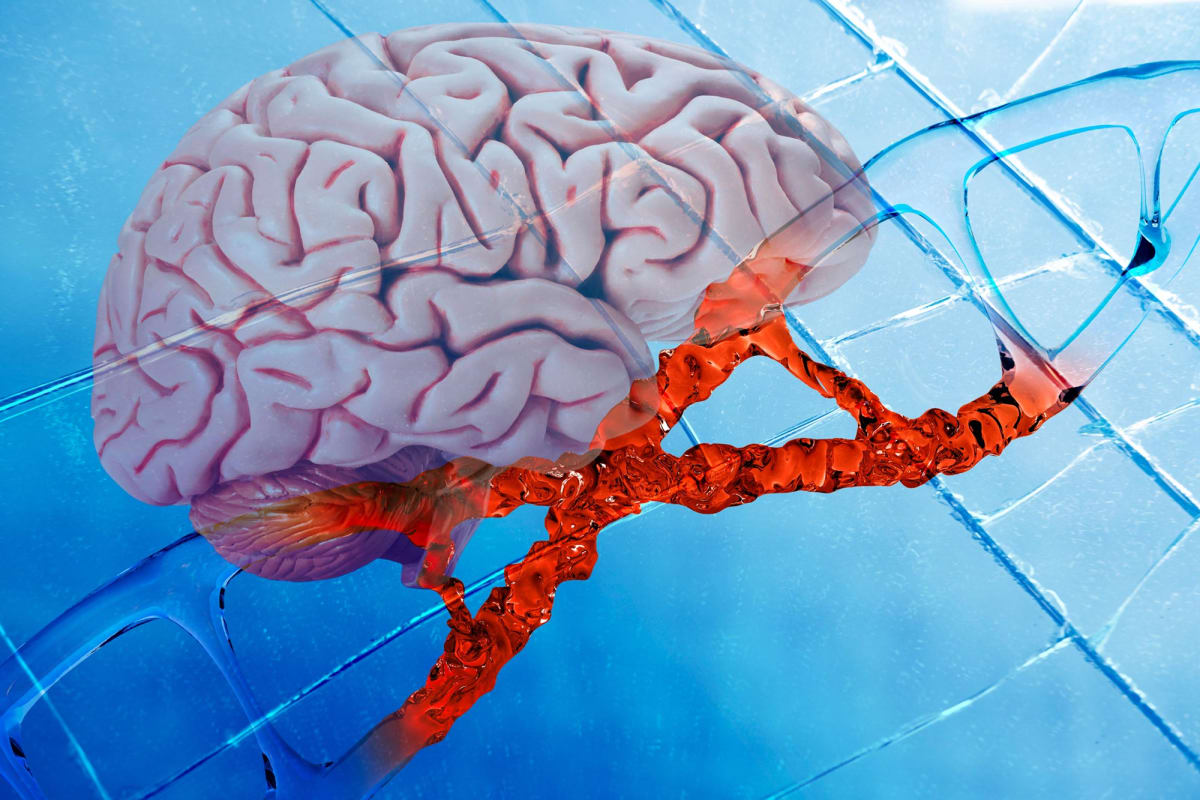
Ancient DNA Switches Unlock Secrets of Human Language
Scientists discovered tiny genetic "switches" that shaped human language ability before we split from Neanderthals. These ancient regulators still influence how we learn and use language today.
Find uplifting stories about heroes, innovations, and solutions
14178 results for "human language"
Scientists discovered tiny genetic "switches" that shaped human language ability before we split from Neanderthals. These ancient regulators still influence how we learn and use language today.
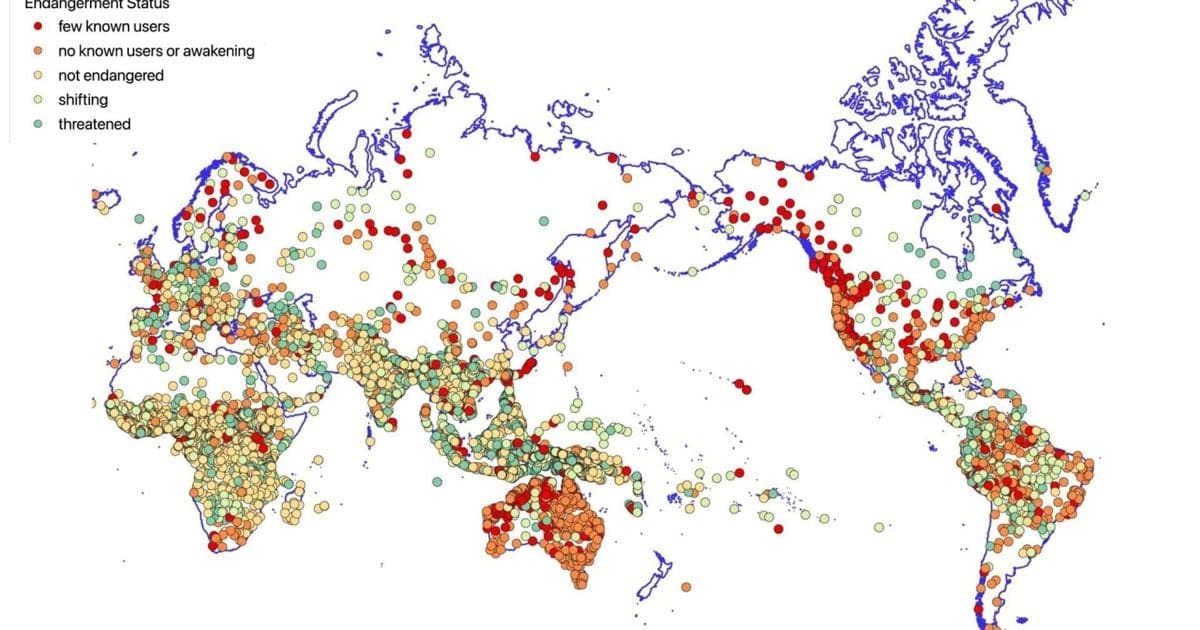
Researchers from Harvard and Yale discovered humanity experienced a "golden age" of language diversity thousands of years ago, with tens of thousands of languages spoken worldwide. The surprising finding reveals our richest linguistic period happened more recently than anyone thought.
Scientists once believed human language started with "bow-wow" animal sounds or emotional grunts like "ouch." These quirky 19th-century theories had silly names but tackled humanity's biggest mystery. #

Scientists discovered that a tiny change in mouse brains enabled complex songs and polite conversation, the same mutation believed to have sparked human language. The finding suggests our most unique ability required less evolutionary rewiring than we thought.
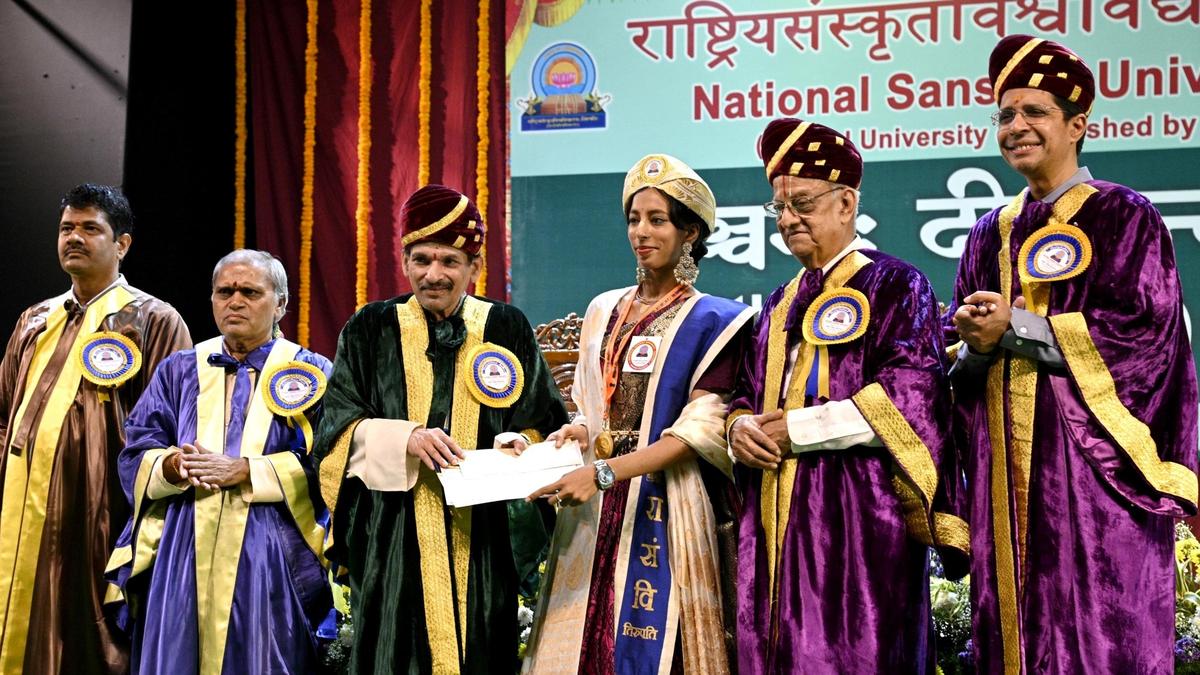
A leading tech institute director says Sanskrit's millennia-old linguistic frameworks perfectly match what artificial intelligence needs to understand human language. The ancient language's logical structure might be exactly what modern machines need.
Hundreds of middle and high school students are solving intricate language puzzles that reveal how human communication works, inspiring the next generation of AI innovators and language preservers. The North American Computational Linguistics Open Competition has celebrated 20 years of turning curious students into computational linguists.
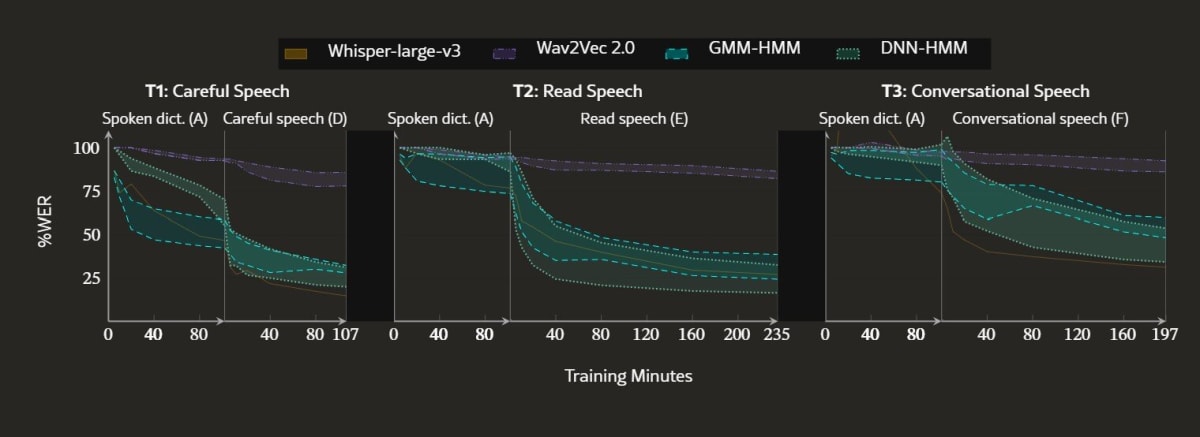
A Ph.D. student from the Isle of Man has built the first AI text-to-speech system for Manx, a heritage language spoken by just 2,200 people. The breakthrough could help preserve endangered languages worldwide while making them accessible to new learners.
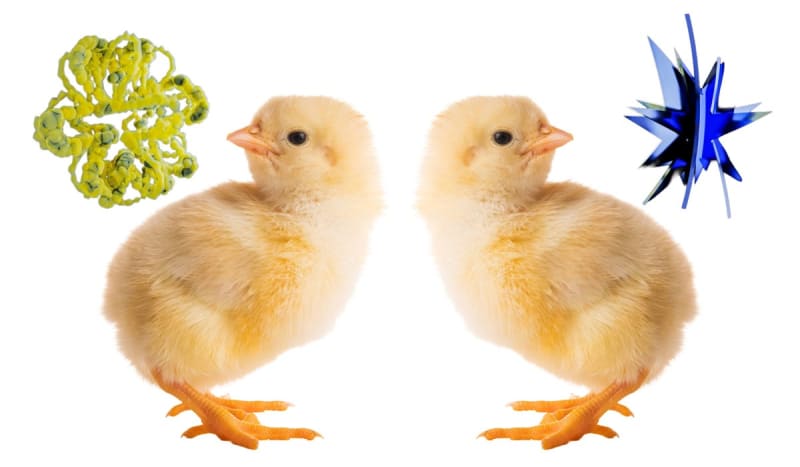
Newborn chickens match sounds to shapes just like humans do, suggesting the famous "bouba-kiki" effect isn't unique to language after all. The discovery pushes back our understanding of this ability by 300 million years.
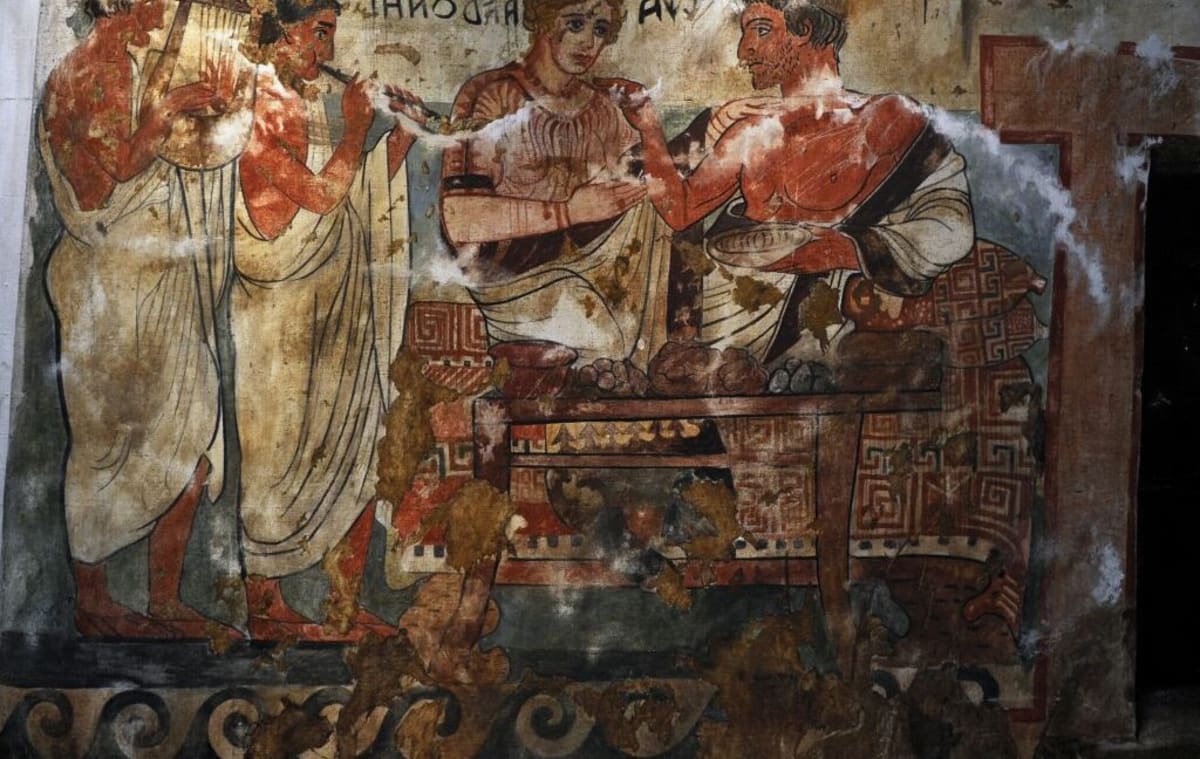
An amateur linguist used artificial intelligence to potentially decode Linear A, a 3,500-year-old language that has stumped experts for a century. The breakthrough shows how AI can supercharge human creativity in solving history's oldest puzzles.
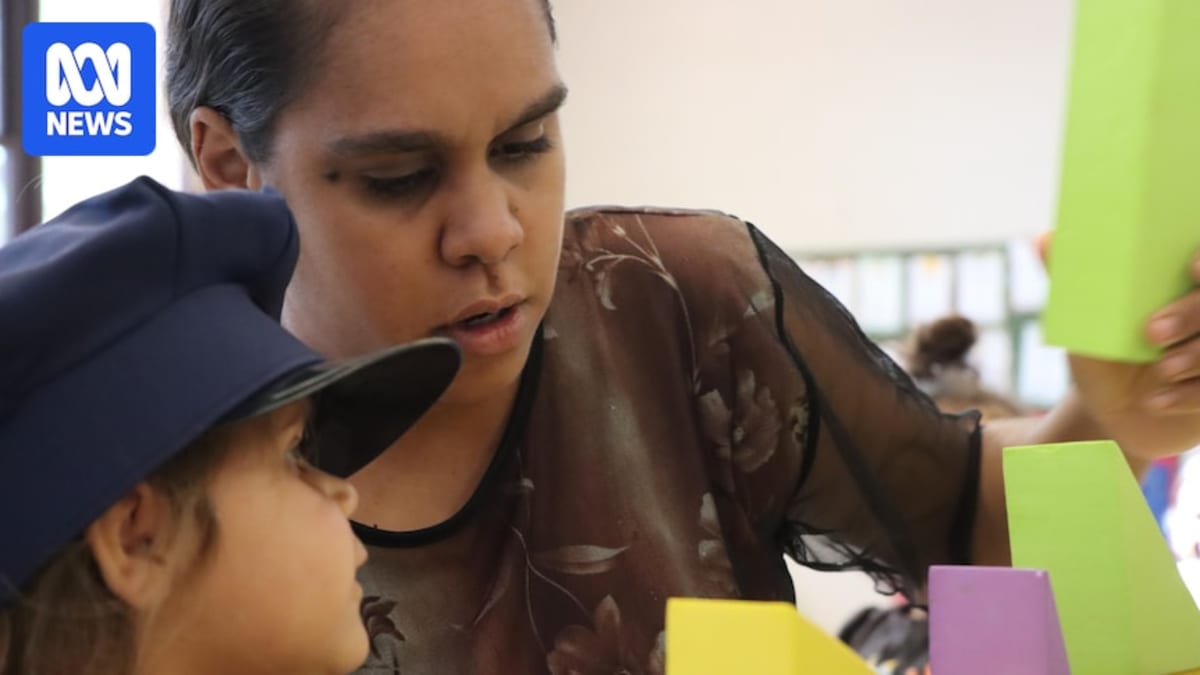
In Alice Springs, babies and toddlers are learning Pertame entirely without English, keeping an endangered language alive. The program is now expanding to become Australia's first total immersion Indigenous language school.
A student-led movement is rallying Ghanaians to speak their indigenous languages at home and in public before they disappear forever. Already, three languages have gone extinct, but a new campaign believes everyday conversations could save dozens more.
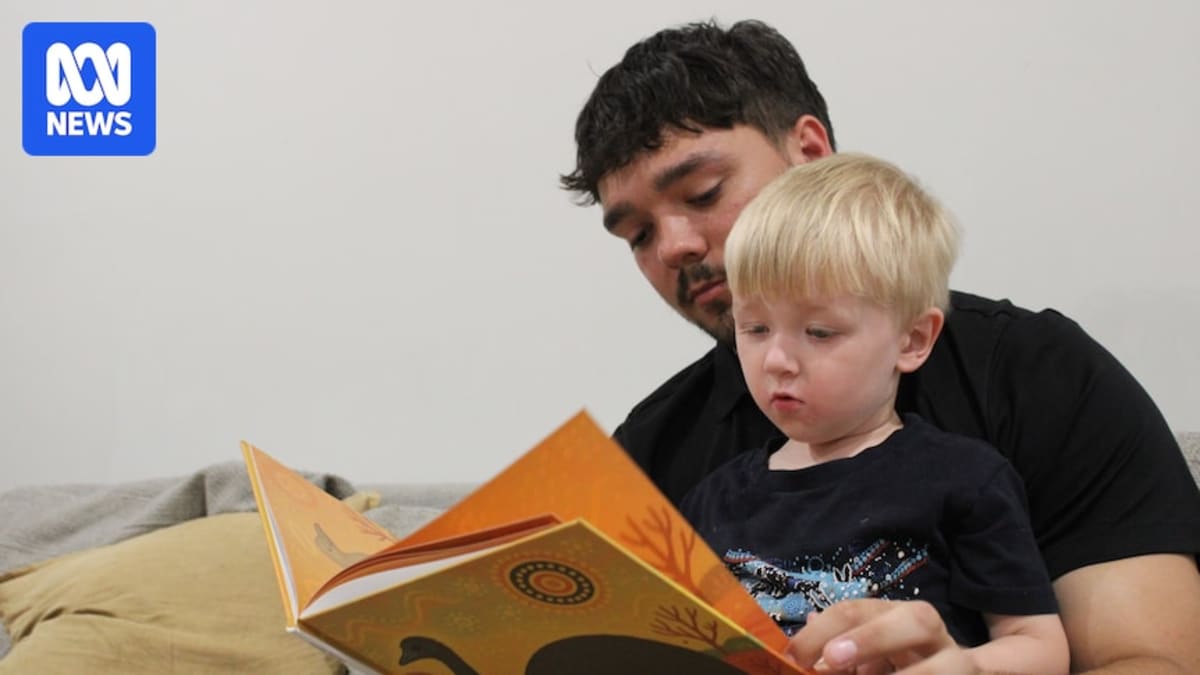
A young father is bringing a nearly extinct Indigenous language back to life through a bedtime story written for his sons. With fewer than 10 fluent speakers remaining, Braithen Knox's efforts could change the future of Gudjal language.
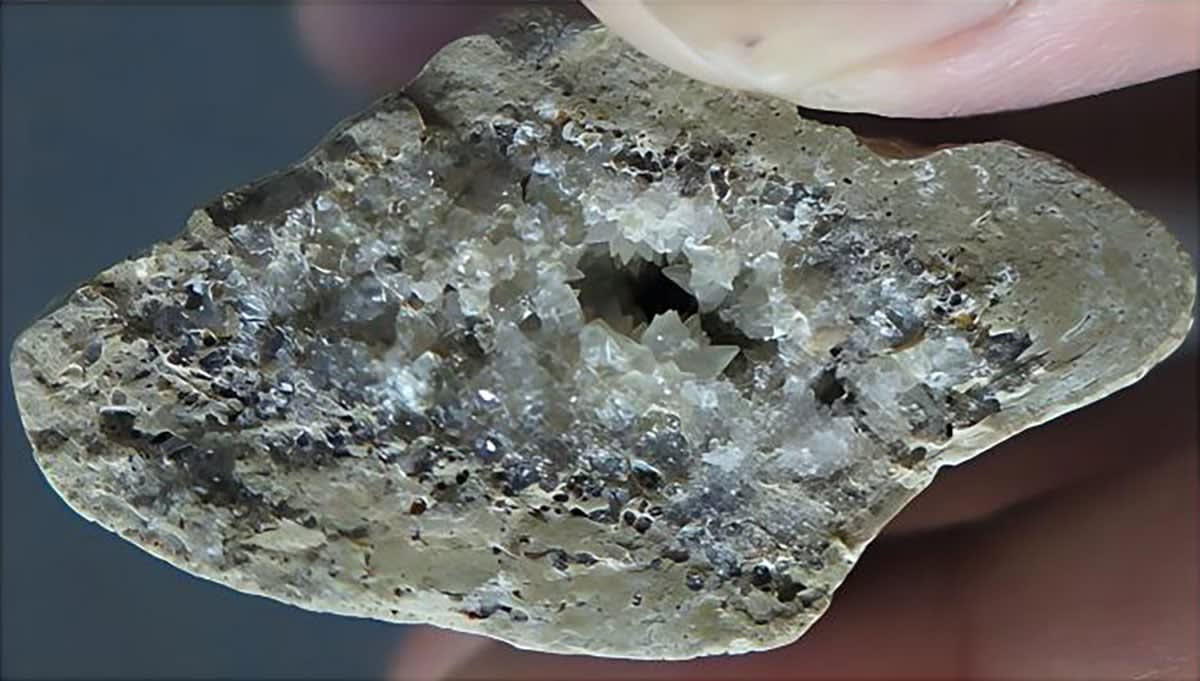
Ancient humans in China crafted sophisticated stone tools during a brutal ice age, proving creativity thrives under pressure. The discovery rewrites what we thought we knew about early human innovation.
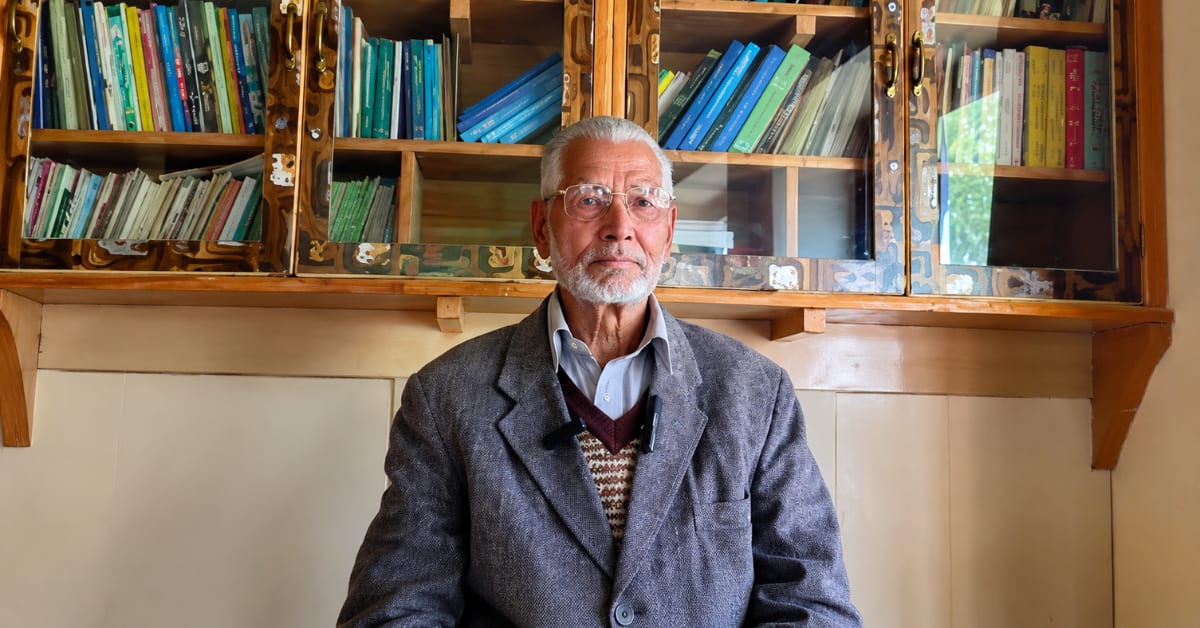
A man who never attended school just received India's highest honors for preserving a dying language spoken by fewer people each decade. Akhone Asgar Ali Basharat spent five decades writing poetry, textbooks, and radio programs in Balti, a vulnerable language losing 31% of its speakers between censuses.
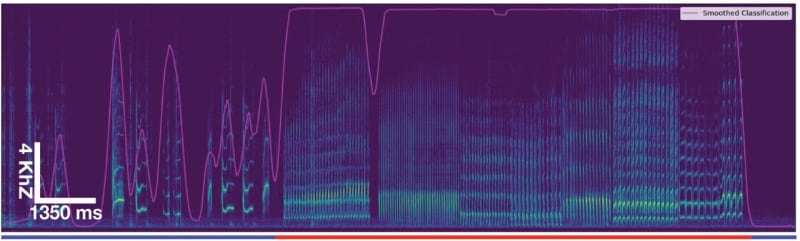
Scientists created TweetyBERT, an AI that analyzes birdsong with expert-level accuracy to reveal how brains learn language. The breakthrough could help us understand everything from human speech development to how climate change affects wildlife.

A new AI tool converts American Sign Language into speech and text almost instantly, opening doors for 70 million people worldwide who use sign language as their primary way to communicate. The technology works both ways, turning spoken words into sign language videos too.
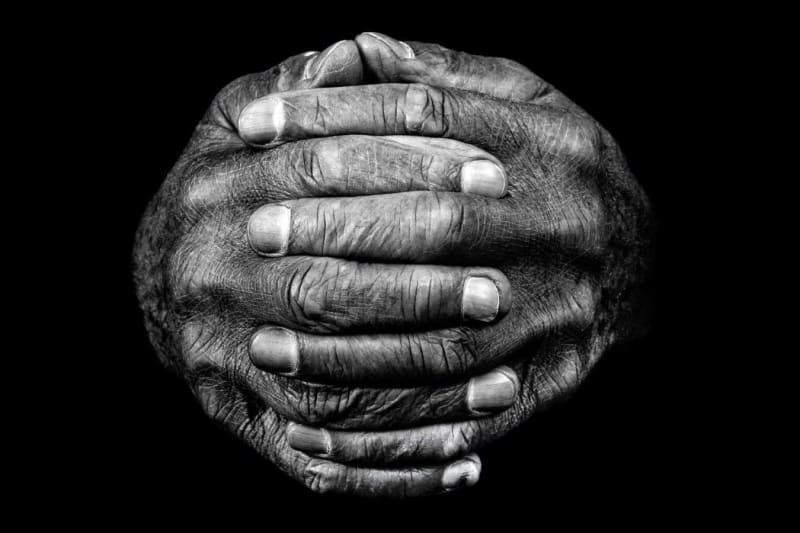
New fossil discoveries reveal how our uniquely powerful thumbs helped make us human. The evolution of our hands may be just as important as our big brains in shaping who we became.

A South Australian Aboriginal community is bringing the Ngaiawang language back to life after it nearly disappeared following colonization. Using 180-year-old word lists and community knowledge, they've compiled 800 words and are creating a picture book to teach future generations.

In Mozambique, people and wild honeyguide birds have developed regional dialects to communicate with each other, proving that human-wildlife cooperation can mirror human language patterns. This rare partnership helps both species find food and reveals how culture shapes our relationship with nature.
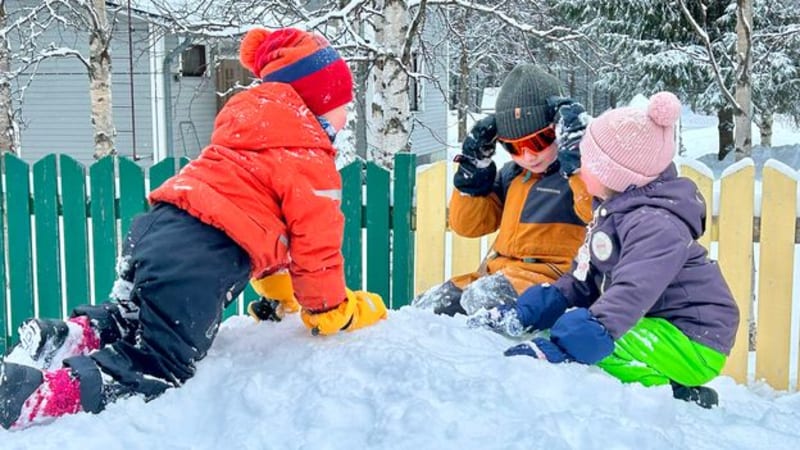
Children in Finland's Arctic villages are learning an indigenous language that nearly vanished. Just 30 years ago, only two families spoke Inari Sámi to their kids.
Showing 20 of 14178