Search

Find uplifting stories about heroes, innovations, and solutions

5 results for "human potential"

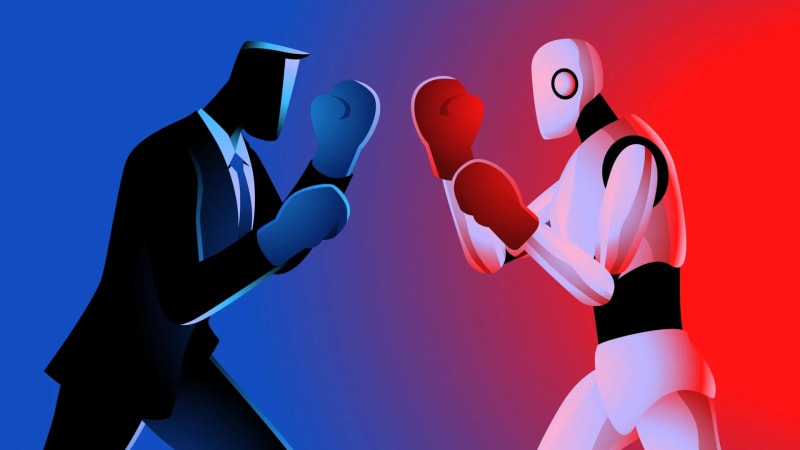
100,000 People Test Creativity Against AI: Humans Win Big
InnovationJan 30

100,000 People Test Creativity Against AI: Humans Win Big

The world's largest creativity study pitted 100,000 people against top AI models like ChatGPT and Claude. While AI beat the average, the most creative humans far outperformed the machines.

New Atlas2 min read
Alex Honnold: Optimism Is Essential for Climbing and Earth
Community HeroesJan 27

Alex Honnold: Optimism Is Essential for Climbing and Earth

The legendary free solo climber who scaled El Capitan without ropes is bringing the same fearless optimism to environmental activism. Alex Honnold believes starting small is the secret to tackling both impossible climbs and climate challenges.

Fast Company2 min read
Nigeria Launches Fund for Women, Youth, and Children
Acts of KindnessJan 27

Nigeria Launches Fund for Women, Youth, and Children

Nigeria's Vice President is launching a groundbreaking fund to empower millions of women, youth, and children through education and economic opportunity. The initiative brings together government, private sector, and international partners to tackle the nation's out-of-school crisis and unlock human potential.

Vanguard Nigeria2 min read
Alex Honnold Climbs 101-Story Tower in 91 Minutes, No Ropes
Community HeroesJan 26

Alex Honnold Climbs 101-Story Tower in 91 Minutes, No Ropes

Legendary free climber Alex Honnold scaled Taiwan's 1,667-foot Taipei 101 skyscraper without any safety equipment, finishing in just 91 minutes. The Netflix-streamed feat showcased human potential at its most breathtaking.

Myjoyonline Ghana2 min read
AI Beats Average Humans on Creativity Tests, Study Shows
InnovationJan 25

AI Beats Average Humans on Creativity Tests, Study Shows

In the largest study of its kind, researchers found that advanced AI systems like GPT-4 now outperform average humans on creativity tests. But the most imaginative people still leave AI far behind.

Science Daily2 min read