Search

Find uplifting stories about heroes, innovations, and solutions

5 results for "kaist"

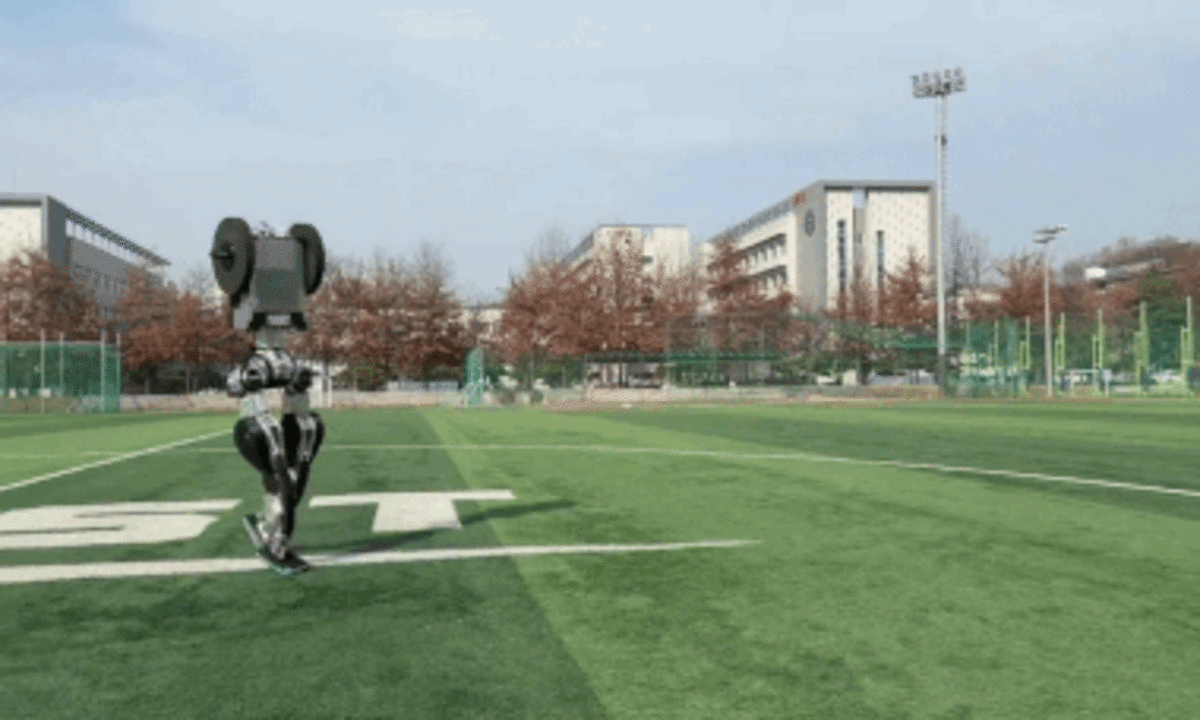
Korean Robot Moonwalks and Kicks Soccer Balls Like a Human
Videos3h ago

Korean Robot Moonwalks and Kicks Soccer Balls Like a Human

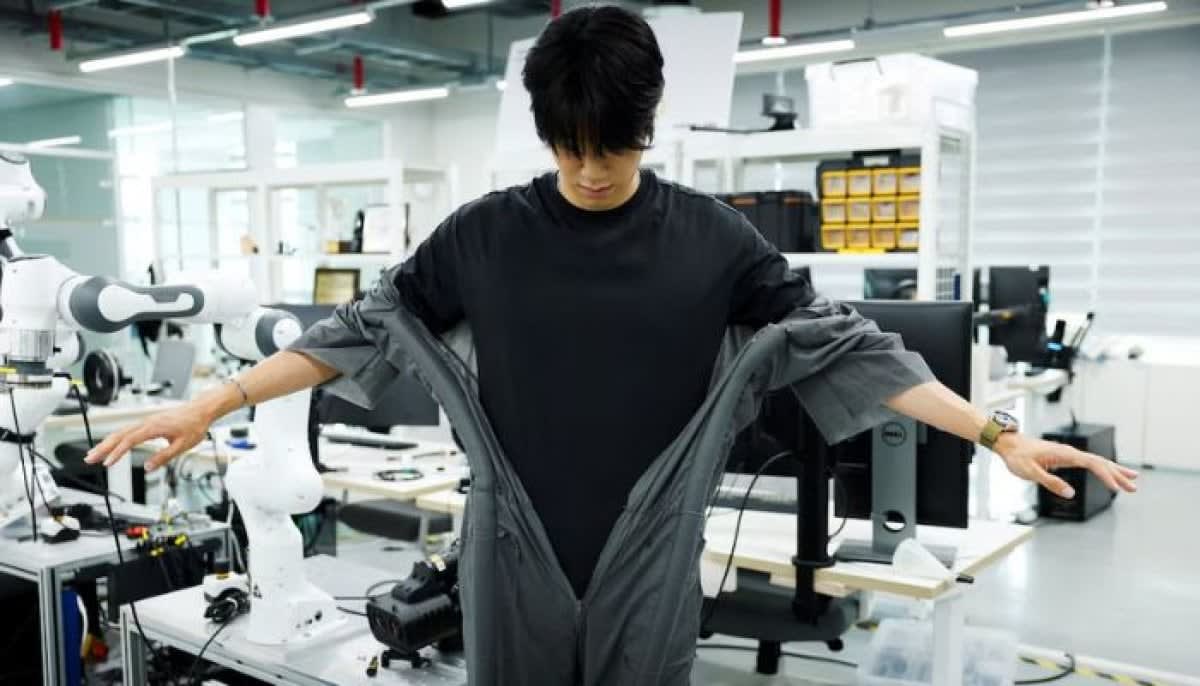
A new humanoid robot from South Korea can run, jump, moonwalk, and kick soccer balls with balance that looks remarkably human. The breakthrough shows how robots are getting closer to moving naturally alongside people in real workplaces.

Regional: south korea technology (KR)3 min read
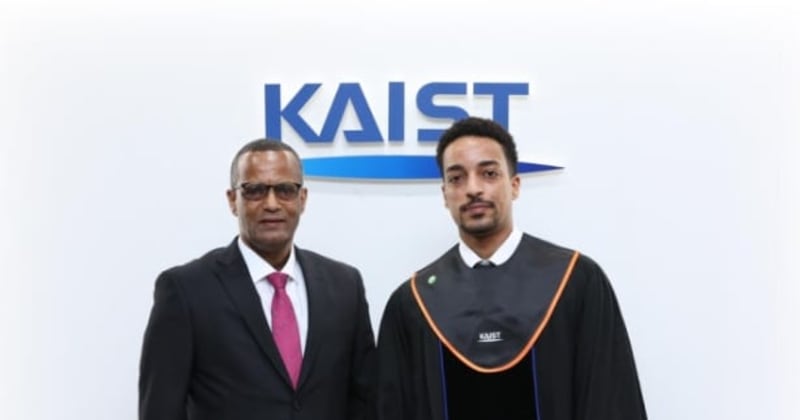
Ethiopian Father-Son Duo Both Graduate from South Korea's KAIST
InnovationFeb 24

Ethiopian Father-Son Duo Both Graduate from South Korea's KAIST

Ethiopia's youngest-ever minister left his cabinet post to earn a computer science PhD at South Korea's top tech university. Six years later, his son graduated from the same school, making them the nation's first father-son KAIST alumni with a shared mission to transform their homeland.

Regional: ethiopia development (ET)3 min read
Korean Team Cracks Code for Ultra-Sharp AR/VR Displays
InnovationJan 31

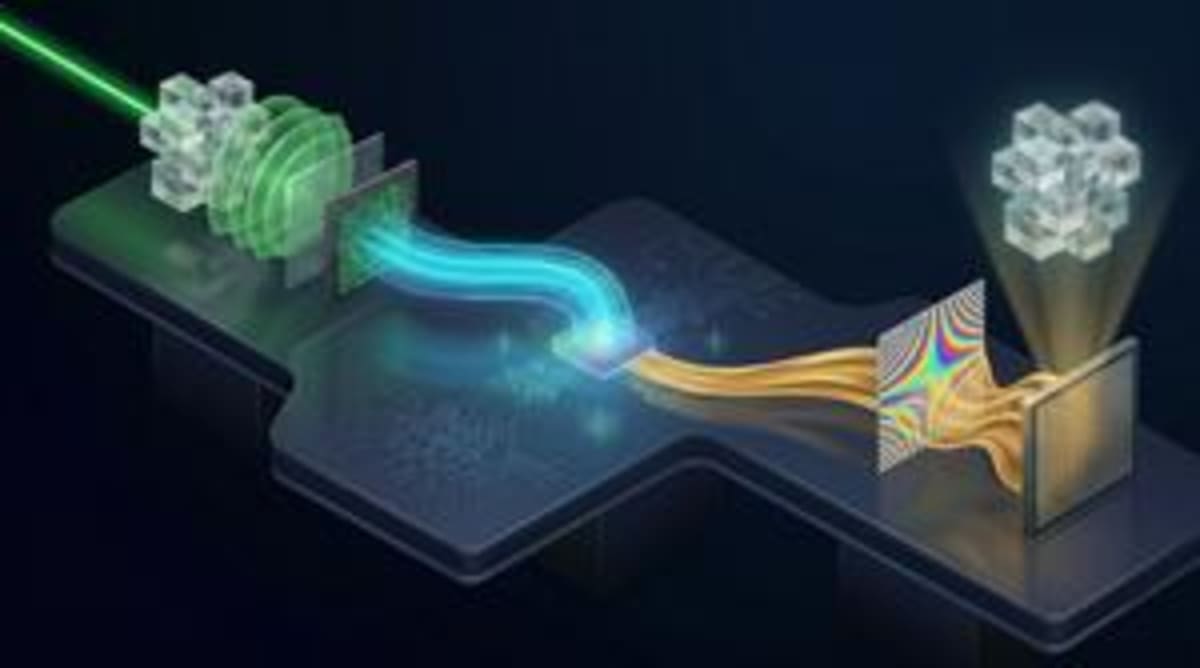
Korean Team Cracks Code for Ultra-Sharp AR/VR Displays

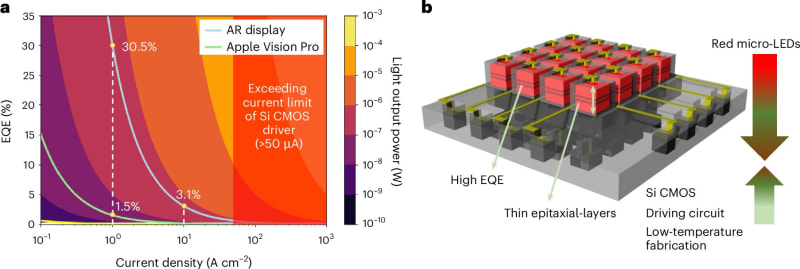
Scientists just solved the toughest challenge in next-generation screen technology, bringing us closer to VR headsets with visuals sharper than real life. The breakthrough could transform everything from smart glasses to car windshields.

Phys.org - Technology3 min read
New Alzheimer's Drug Design Fights 3 Disease Causes at Once
Health & WellnessJan 26

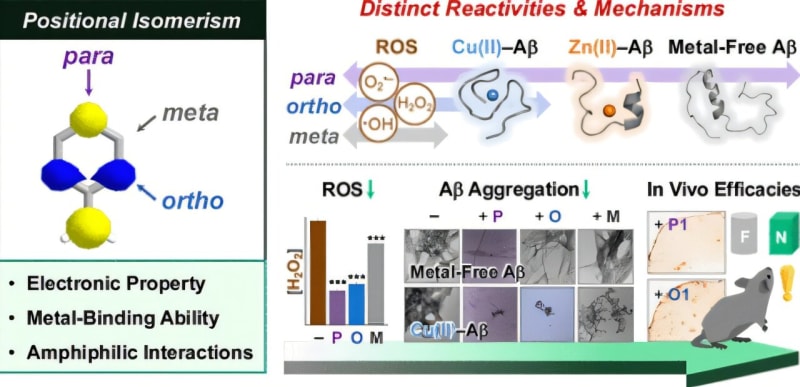
New Alzheimer's Drug Design Fights 3 Disease Causes at Once

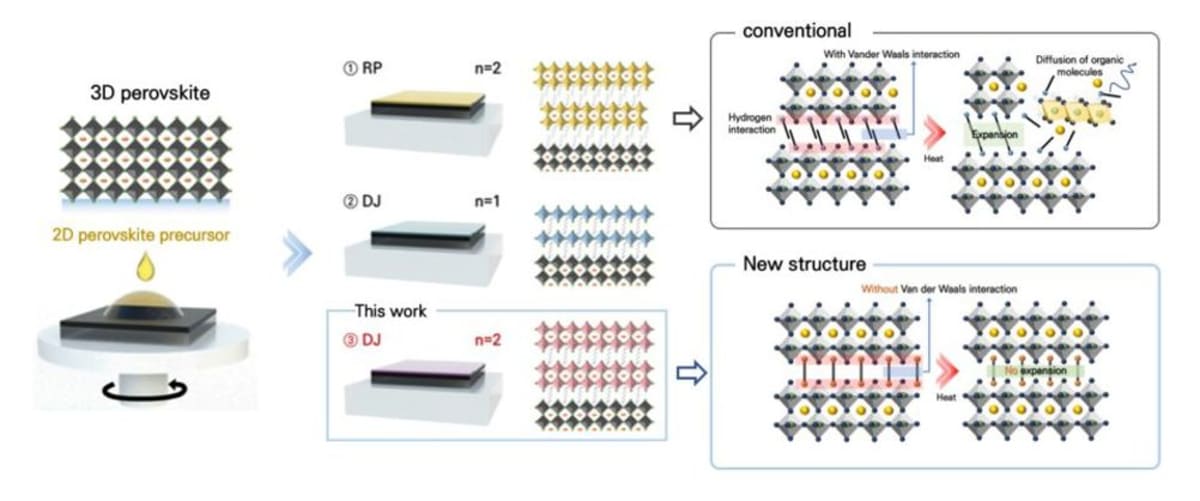
Scientists discovered they can target multiple Alzheimer's causes simultaneously just by rearranging how molecules connect, without changing their chemical makeup. In mice, one compound reduced brain plaques, lowered oxidative stress, and improved memory.

Phys.org3 min read
Paper-Thin Catalyst Cuts Hydrogen Costs by 65%
InnovationJan 24

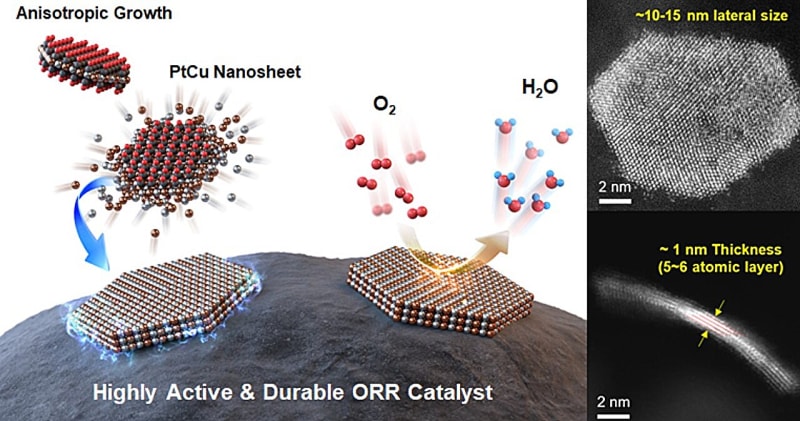
Paper-Thin Catalyst Cuts Hydrogen Costs by 65%

Scientists in South Korea just made hydrogen energy far cheaper by reshaping catalysts from granules into sheets thinner than a human hair. The breakthrough slashes precious metal use by up to 65% while boosting performance.

Phys.org2 min read