Search

Find uplifting stories about heroes, innovations, and solutions

5 results for "quinine"

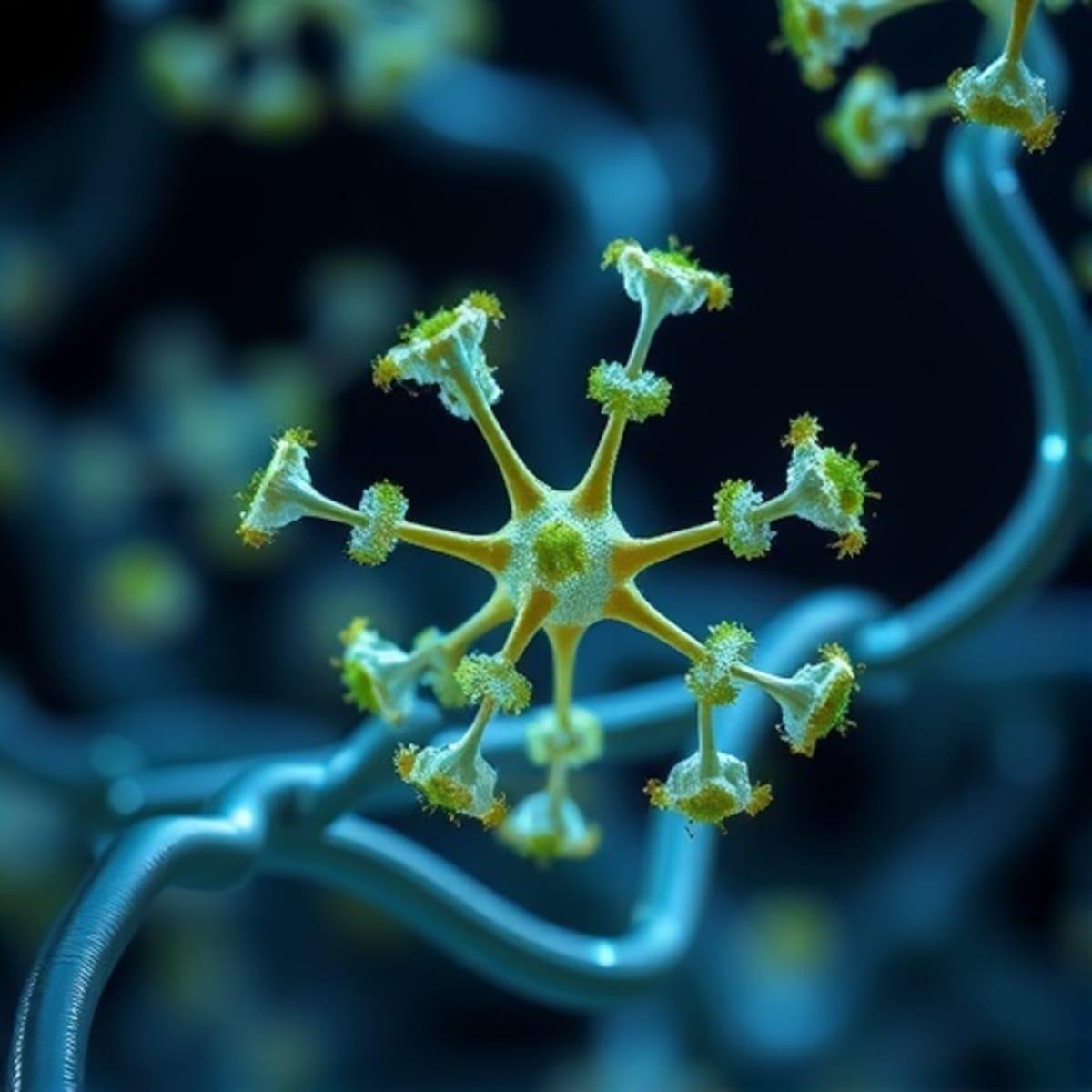
Scientists Crack 200-Year Quinine Mystery, Opening New Hope
Health & WellnessMar 19

Scientists Crack 200-Year Quinine Mystery, Opening New Hope

German researchers have finally decoded how cinchona trees make quinine, the malaria drug that has saved millions of lives for centuries. The breakthrough could end our dependence on scarce tropical plants and make this life-saving medicine more accessible worldwide.


Google News - Breakthrough Discovery3 min read
Scientists Crack How Plants Make Life-Saving Malaria Drug
InnovationMar 18

Scientists Crack How Plants Make Life-Saving Malaria Drug

Researchers have solved a 200-year botanical mystery by mapping how cinchona trees naturally produce quinine, the crucial antimalarial compound that saves millions of lives. This breakthrough could lead to better, more accessible malaria treatments for people in need.

Nature News2 min read
Teen's Failed Malaria Cure Accidentally Launched Fashion
InnovationJul 24

Teen's Failed Malaria Cure Accidentally Launched Fashion

In 1856, an 18-year-old student tried to cure malaria and created the world's first synthetic dye instead. His purple accident democratized fashion and sparked the modern chemical industry.

Times of India - Good News2 min read
Namibia Delivers 58 Critical Medicines to Public Hospitals
SolutionsAug 6

Namibia Delivers 58 Critical Medicines to Public Hospitals

Namibia's health ministry has distributed 58 essential medicines and medical supplies to hospitals nationwide since July, including cancer drugs and diabetes medication. The deliveries are helping doctors treat patients who previously faced shortages of life-saving treatments.

AllAfrica - Health2 min read
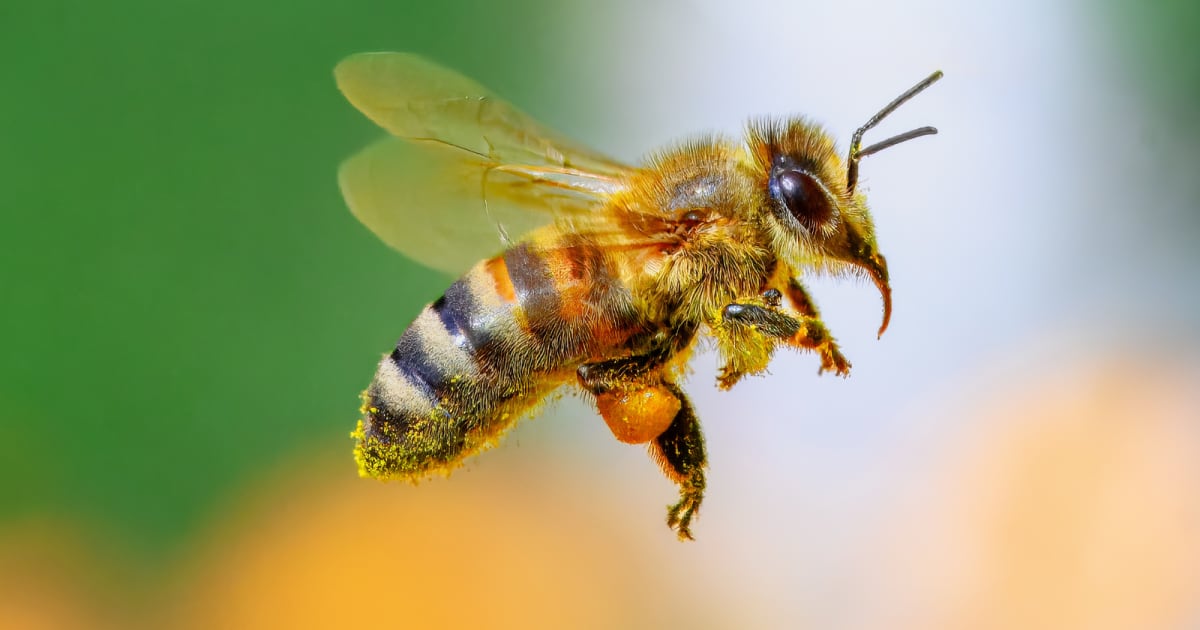
Honeybees Recognize Human Faces With Brains Smaller Than Pins
InnovationJun 1

Honeybees Recognize Human Faces With Brains Smaller Than Pins

Scientists discovered that honeybees can identify individual human faces despite having brains containing just one million neurons compared to our 86 billion. This tiny miracle challenges everything we thought we knew about what it takes to solve complex problems.

Google News - Science3 min read